



สถาปัตยกรรม 6 พิสตันแบบบาง
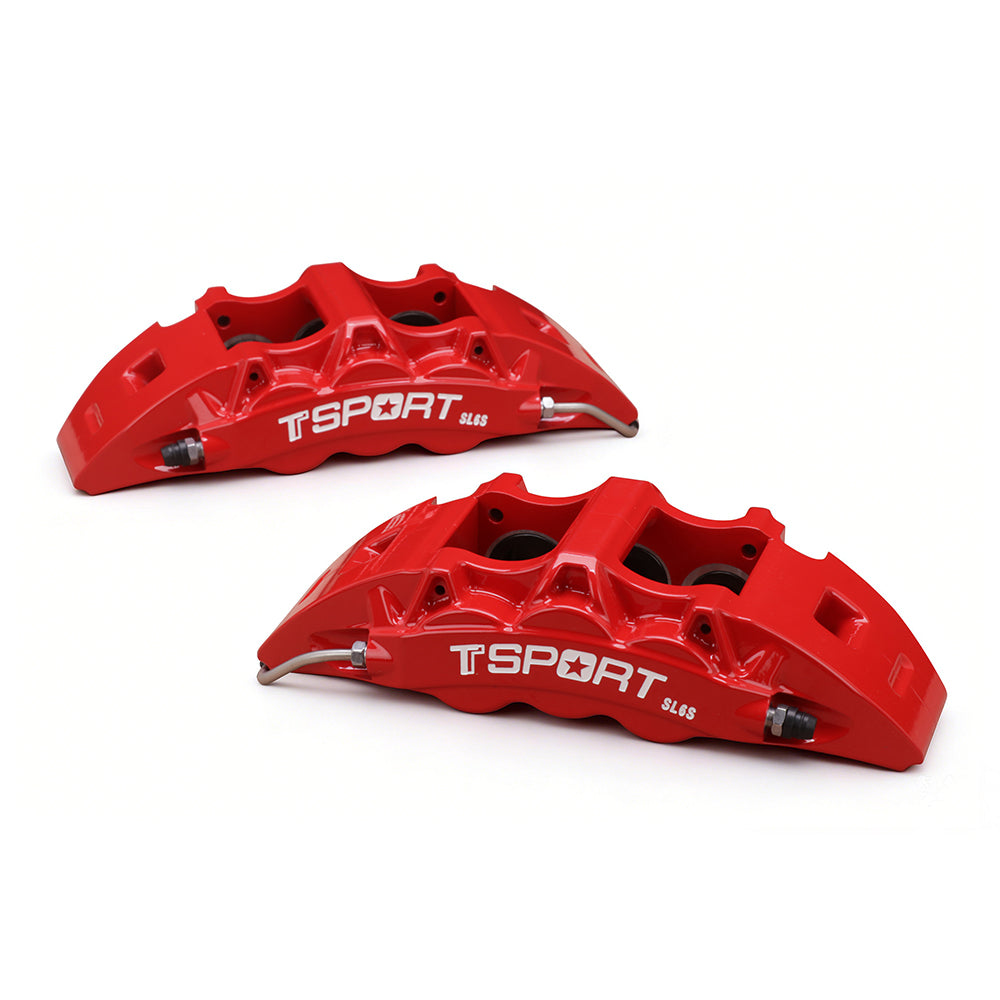
ตัวเรือนอะลูมิเนียมฟอร์จแบบสองชิ้นมีขนาดกว้างเพียง 121.6 มม. และสูง 74.9 มม. ช่วยให้ซ่อนตัวอยู่หลังดีไซน์ล้อที่กระชับซึ่งไม่สามารถเคลียร์คาลิเปอร์โมโนบล็อกที่หนากว่าได้
ซีรีส์ Slim · เพลาหน้า · 6 พิสตัน
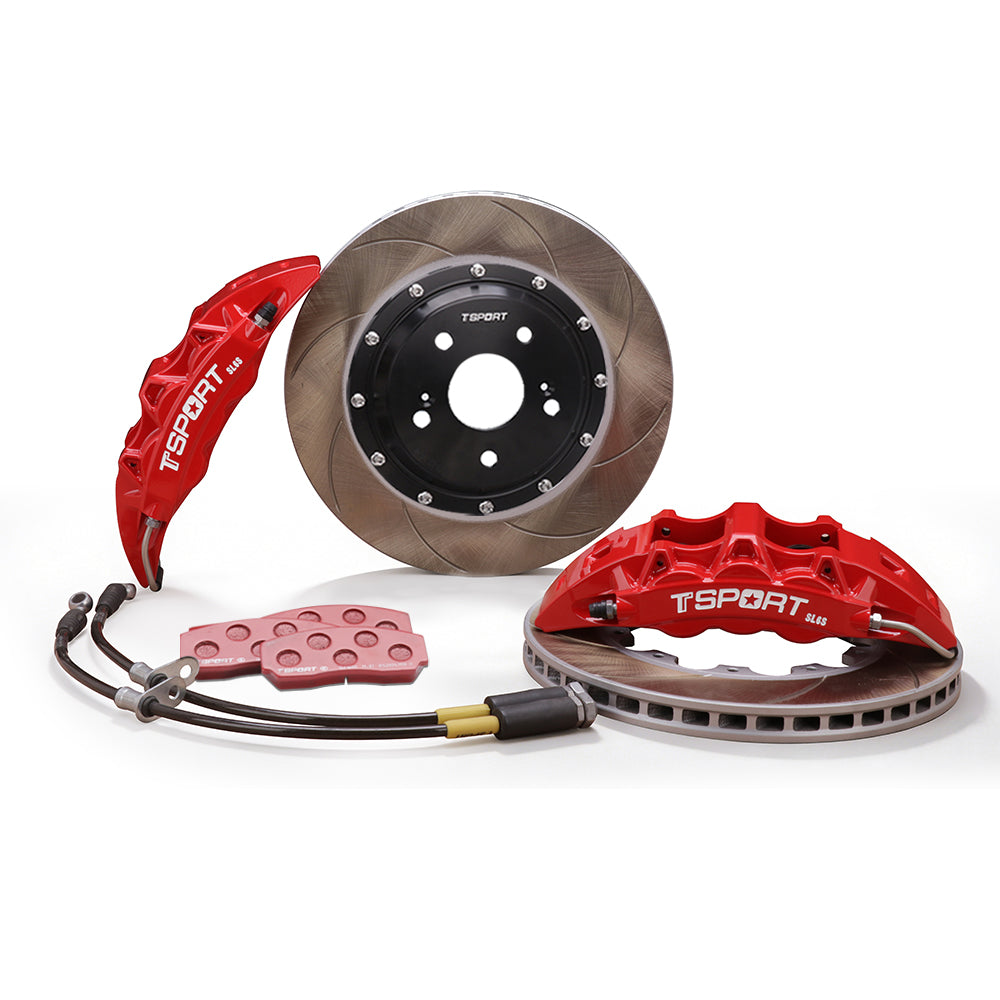
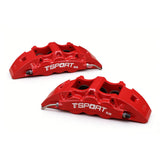
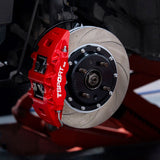
TTSPORT Slim SL6S เป็นชุดเบรกใหญ่หน้า 6 พิสตันแบบโปรไฟล์บาง สร้างขึ้นสำหรับนักขับที่ต้องการพลังการหยุดที่แท้จริงภายใต้ล้อขนาด 15 นิ้วขึ้นไป คาลิปเปอร์อะลูมิเนียมฟอร์จ พิสตันแบบสลับขนาด และจานเบรกสองชิ้นขนาด 285–295 มม. ให้ความรู้สึกของแป้นเบรกที่มั่นคง การกัดที่แข็งแกร่ง และการหยุดที่สม่ำเสมอทั้งบนถนน เส้นทางคดเคี้ยว และพิตเลนในวันแข่ง
ตัวเรือนอะลูมิเนียมฟอร์จแบบสองชิ้นมีขนาดกว้างเพียง 121.6 มม. และสูง 74.9 มม. ช่วยให้ซ่อนตัวอยู่หลังดีไซน์ล้อที่กระชับซึ่งไม่สามารถเคลียร์คาลิเปอร์โมโนบล็อกที่หนากว่าได้
ลูกสูบขนาด 28 มม. 30 มม. และ 36 มม. (พื้นที่รวม 46.8 ตร.ซม.) ถูกจัดขนาดจากด้านหน้าไปด้านหลังตลอดแนวผ้าเบรกเพื่อปรับสมดุลแรงดัน ลดการสึกแบบเรียว และเพิ่มความคมในการมอดูเลตที่แป้นเบรก
ลูกสูบหุ้มฉนวนความร้อนแบบชิ้นเดียวพร้อมบู๊ตกันฝุ่นช่วยชะลอการถ่ายเทความร้อนเข้าสู่น้ำมันเบรก ปกป้องความรู้สึกของแป้นเบรกในระหว่างการเบรกหนักซ้ำ ๆ
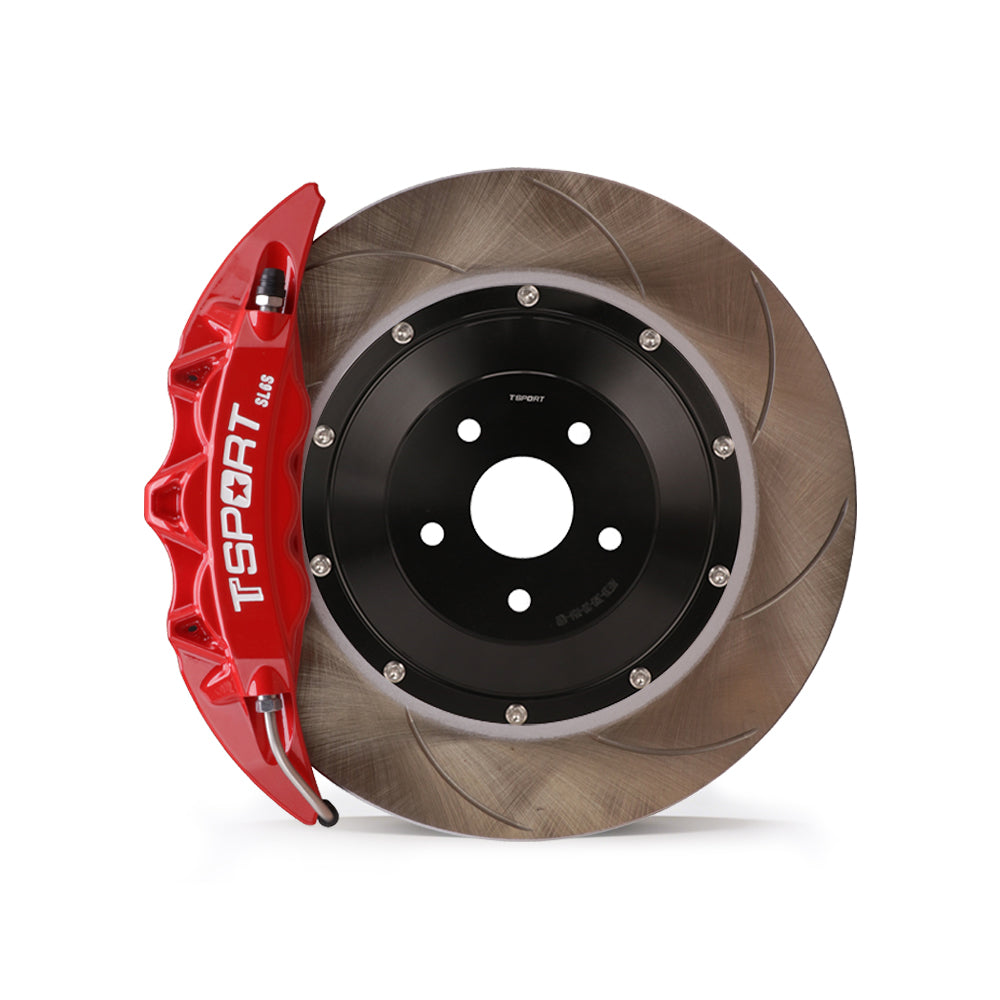
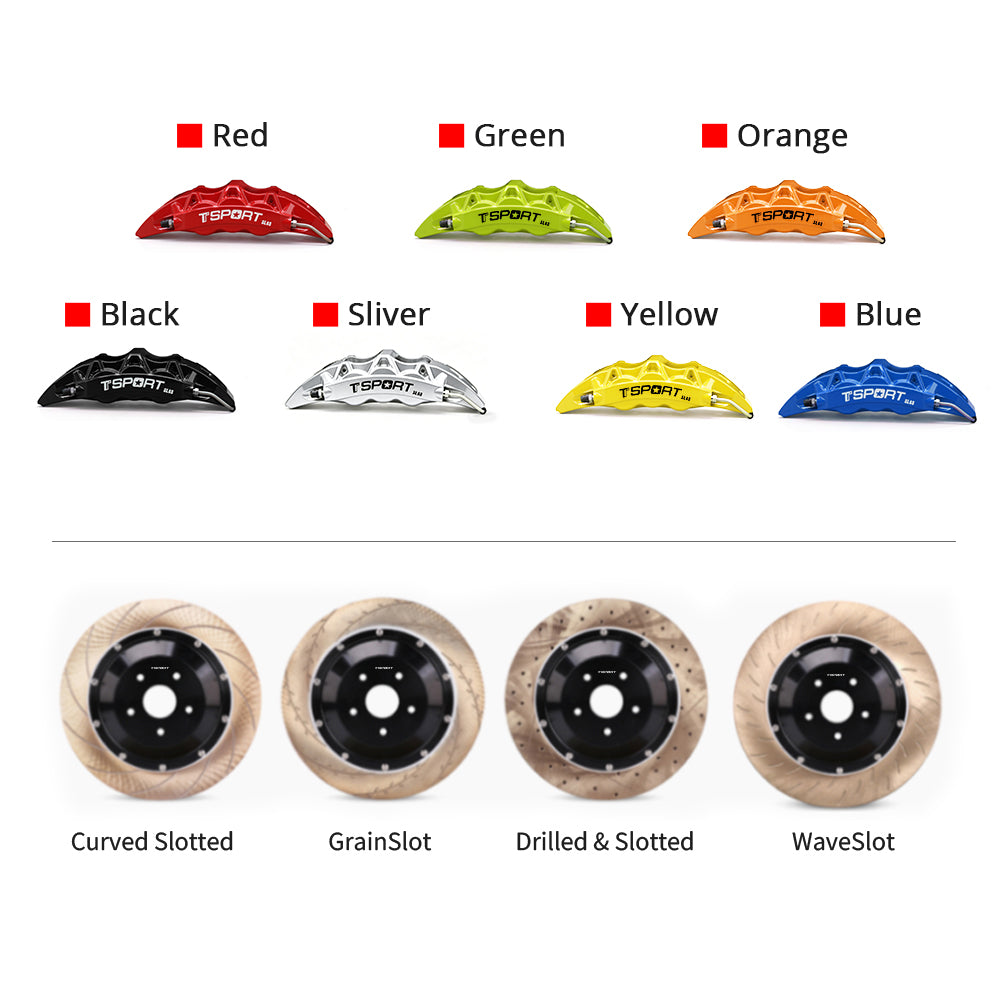
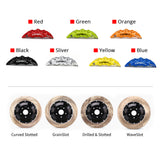
ผิวหน้าจานเหล็กหล่อไฮคาร์บอนอบชุบความร้อนบนดุมอะลูมิเนียมที่ขึ้นรูปด้วย CNC มีช่องระบายอากาศภายใน มีทิศทาง กำหนดเฉพาะซ้าย/ขวา พร้อมตัวเลือกผิวหน้าแบบร่องโค้ง ลายเกรน ลายเวฟ หรือเจาะรูและเซาะร่อง
| คาลิปเปอร์เบรก | ||
|---|---|---|
| ซีรีส์ | ซีรีส์สลิม | |
| รุ่น / การใช้งาน | SL6S | |
| ตำแหน่งเพลา | ด้านหน้า | |
| จำนวนลูกสูบ | 6 พิสตัน | |
| ประเภทลูกสูบ | ลูกสูบชิ้นเดียวหุ้มฉนวนกันความร้อน | |
| เส้นผ่านศูนย์กลางลูกสูบ | 28 มม. × 2 / 30 มม. × 2 / 36 มม. × 2 | |
| ขนาดคาลิปเปอร์ | ยาว 268.5 มม. × กว้าง 121.6 มม. × สูง 74.9 มม. | |
| พื้นที่ลูกสูบรวม | 46.8 ตร.ซม. ต่อคาลิเปอร์ รวมลูกสูบทั้งหมด | |
| กระบวนการผลิต | ตัวเรือนอะลูมิเนียมตีขึ้นรูปสองชิ้น | |
| น้ำหนักสุทธิ | 1.96 กก. ต่อคาลิเปอร์ ไม่รวมผ้าเบรก | |
| ผิวสำเร็จ | การเคลือบเงาทนอุณหภูมิสูง | |
| ขนาดล้อที่แนะนำ | 15 นิ้วขึ้นไป | |
| ขนาดจานดิสก์ที่แนะนำ | Ø285–295 มม. × 28 มม. | |
| ตัวเลือกจานเบรก | ||
| ตัวเลือกจานเบรก | จานเบรก 285 มม. | จานเบรก 295 มม. |
| วัสดุจานเบรก | เหล็กหล่อคาร์บอนสูงผ่านการอบชุบความร้อน | เหล็กหล่อคาร์บอนสูงผ่านการอบชุบความร้อน |
| ตำแหน่งเพลา | ด้านหน้า | ด้านหน้า |
| ขนาดจานเบรก | Ø285 มม. × 24 มม. | Ø295 มม. × 24 มม. |
| โครงสร้าง | ชุดจานเบรกแบบสองชิ้น | ชุดจานเบรกแบบสองชิ้น |
| การระบายอากาศ | มีช่องระบายอากาศภายใน | มีช่องระบายอากาศภายใน |
| การยึดจานเบรก | แบบยึดแน่น (Fixed) หรือแบบลอย (Floating) ขึ้นอยู่กับขนาดจานเบรก & การใช้งานของรถ | แบบยึดแน่น (Fixed) หรือแบบลอย (Floating) ขึ้นอยู่กับขนาดจานเบรก & การใช้งานของรถ |
| ดีไซน์ระบุทิศทาง | ใช่ — ระบุซ้าย/ขวา | ใช่ — ระบุซ้าย/ขวา |
| รูปแบบหน้าจานเบรก | ร่องโค้ง / ร่องเกรน / ร่องเวฟ / เจาะรูและเซาะร่อง | ร่องโค้ง / ร่องเกรน / ร่องเวฟ / เจาะรูและเซาะร่อง |
| ผ้าเบรก | ||
| วัสดุจานเบรกที่รองรับ | รองรับเฉพาะจานเบรกเหล็ก / เหล็กกล้า | |
| ช่วงอุณหภูมิใช้งาน | 0–600 °C | |
| ค่าสัมประสิทธิ์ความเสียดทานเฉลี่ย | μ ≈ 0.38; เปลี่ยนแปลงตามอุณหภูมิ แรงดันในสายเบรก และสภาพจานเบรก | |
| สายเบรก | ||
| โครงสร้างสายเบรก | เสริมแรง 3 ชั้น | |
| วัสดุสายเบรก | ชั้นบุด้านใน PTFE / สายถักสแตนเลส SUS304 / เปลือกนอก PVC | |
| ข้อต่อสายเบรก | เฉพาะรุ่นรถ; ด้านคาลิปเปอร์และด้านแชสซีแตกต่างกันไปตามการใช้งาน | |
| ขายึด | ||
| กระบวนการผลิตดุมจานเบรก | ขึ้นรูปด้วยเครื่อง CNC | |
| วัสดุดุมจานเบรก | อะลูมิเนียมอัลลอยด์ความแข็งแรงสูง | |
| กระบวนการผลิตขายึดคาลิปเปอร์ | ขึ้นรูปด้วยเครื่อง CNC | |
| วัสดุขายึดคาลิปเปอร์ | เหล็กกล้าคาร์บอน | |
| ประเภทการติดตั้งคาลิปเปอร์ | การติดตั้งแบบเรเดียลพร้อมขายึดคาลิปเปอร์เฉพาะรุ่นรถ | |
| ความเข้ากันได้และการติดตั้ง | ||
| ระยะห่างซี่ล้อขั้นต่ำ | 75 มม. | |
| ขนาดล้อที่แนะนำ | 15 นิ้วขึ้นไป | |
| ขนาดโดยรวมคาลิเปอร์ | ยาว 268.5 × กว้าง 121.6 × สูง 74.9 มม. | |
| ขนาดโดยรวมจานเบรก | Ø285 หรือ Ø295 มม. × 24 มม. | |
| ขั้นตอนการเบดดิ้งอิน (Bedding-In) | ต้องทำก่อนการใช้งานแบบหนักหน่วง | |
SL6S รองรับจานเบรกหน้าขนาด Ø285 มม. และ Ø295 มม. ซึ่งหนา 24 มม. ทั้งคู่ ตัวเลือก 295 มม. ให้มวลความร้อนมากกว่าสำหรับรถที่หนักกว่าหรือการเบรกหนักซ้ำ ๆ ส่วนตัวเลือก 285 มม. เหมาะกับชุดล้อที่กระชับกว่า
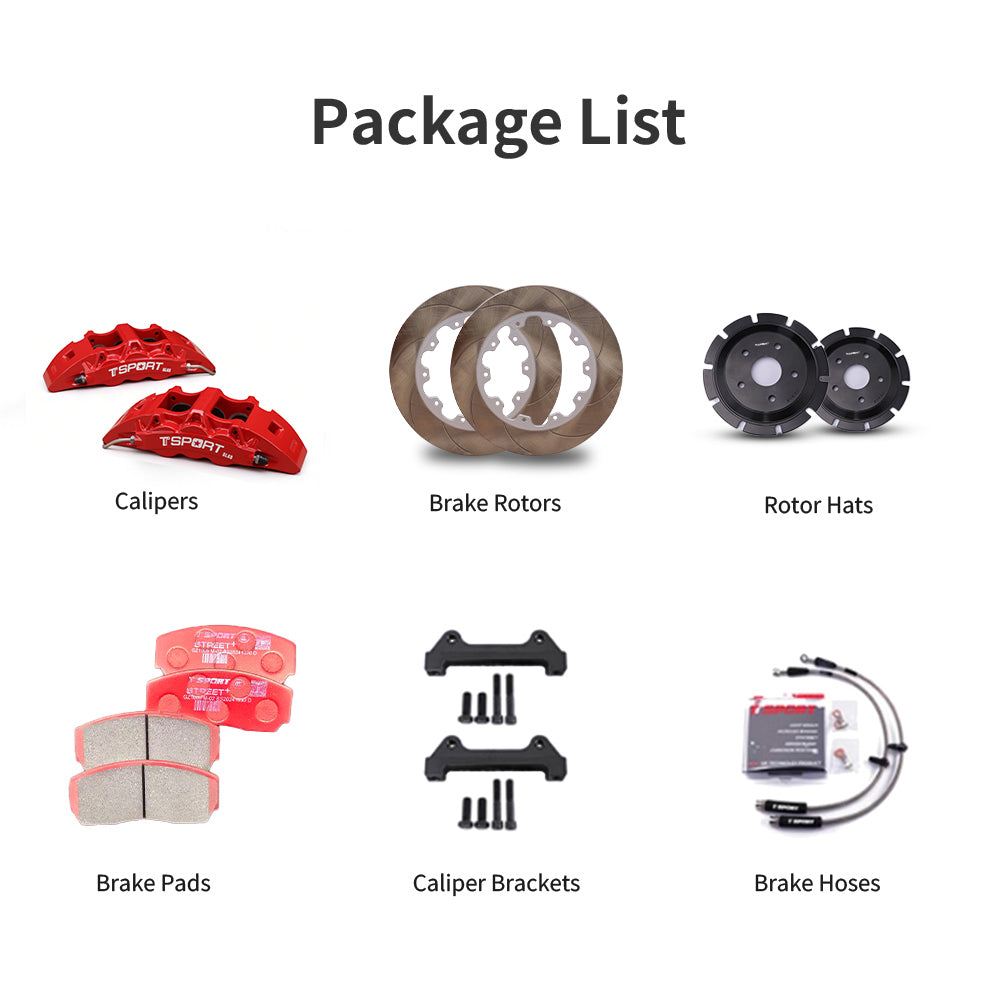
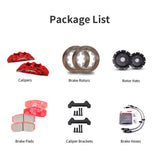
2 × คาลิเปอร์หน้า SL6S ฟอร์จ 6 ลูกสูบ (ซ้าย/ขวา)
ผ้าเบรกสมรรถนะสูงทนอุณหภูมิสูง 1 ชุด สำหรับคาลิเปอร์หน้าทั้งสองข้าง
2 × จานเบรกหน้าสองชิ้น (Ø285 หรือ Ø295 มม. × 24 มม.) พร้อมดุมอะลูมิเนียม CNC
ขายึดคาลิเปอร์เหล็กกล้าคาร์บอน CNC
Two CNC aluminum rotor hats
2 × Stainless-steel braided brake lines with vehicle-specific fittings
อุปกรณ์ยึดติดมาพร้อมชุด
Before ordering, confirm your wheels meet the SL6S clearance window. Tight wheel designs may require a 3–5 mm hub-centric spacer. Send us a wheel photo if you're unsure.

Wheel diameter 15 in or larger.

Minimum spoke clearance 75 mm from hub face.

The SL6S uses radial-mount vehicle-specific brackets and application-specific brake-line fittings. Contact us with your year, make, model, and trim before checkout so we ship the correct bracket and line set.
Caliper envelope: L 268.5 × W 121.6 × H 74.9 mm. Rotor envelope: Ø285 or Ø295 mm × 24 mm.
The kit requires a 15-inch or larger wheel with at least 75 mm of spoke clearance from the hub face. The caliper itself measures 268.5 × 121.6 × 74.9 mm. If you're unsure, send us a clear photo of your wheel's inner barrel and we'll confirm.
SL6S รองรับจานเบรกหน้าขนาด Ø285 มม. และ Ø295 มม. ซึ่งหนา 24 มม. ทั้งคู่ ตัวเลือก 295 มม. ให้มวลความร้อนมากกว่าสำหรับรถที่หนักกว่าหรือการเบรกหนักซ้ำ ๆ ส่วนตัวเลือก 285 มม. เหมาะกับชุดล้อที่กระชับกว่า
การจัดวางลูกสูบขนาด 28 / 30 / 36 มม. ช่วยกระจายขนาดกระบอกให้ทั่วหน้าผ้าเบรก เพื่อให้ขอบนำและขอบตามได้รับแรงกดจับที่สมดุล ผลลัพธ์คือผ้าเบรกสึกเสมอกันมากขึ้นและการควบคุมแรงเบรกที่คมชัดกว่าดีไซน์ 6 ลูกสูบขนาดเดียวกัน
ใช่ ผ้าเบรกที่ให้มาอยู่ในช่วงการทำงาน 0–600 °C และมีค่า μ เฉลี่ย 0.38 จึงจับได้ตั้งแต่ยังเย็นสำหรับการขับประจำวัน และคงความนิ่งเมื่อขับบนเส้นทางคดเคี้ยวอย่างจริงจังหรือลงสนาม
ใช่ SL6S ใช้ขายึดเฉพาะรุ่นรถแบบ radial-mount และข้อต่อสายเบรกเฉพาะการใช้งาน โปรดติดต่อเราพร้อมระบุปี ยี่ห้อ รุ่น และระดับการตกแต่งก่อนชำระเงิน เพื่อให้เราจัดส่งขายึดและชุดสายที่ถูกต้อง
SL6S ถูกกำหนดค่าเป็นชุดสำหรับเพลาหน้า หากต้องการอัปเกรดอย่างสมดุล ควรใช้คู่กับชุดเพลาหลัง TTSPORT ที่เข้าคู่กัน เพื่อให้สัดส่วนแรงเบรกยังคงถูกต้อง
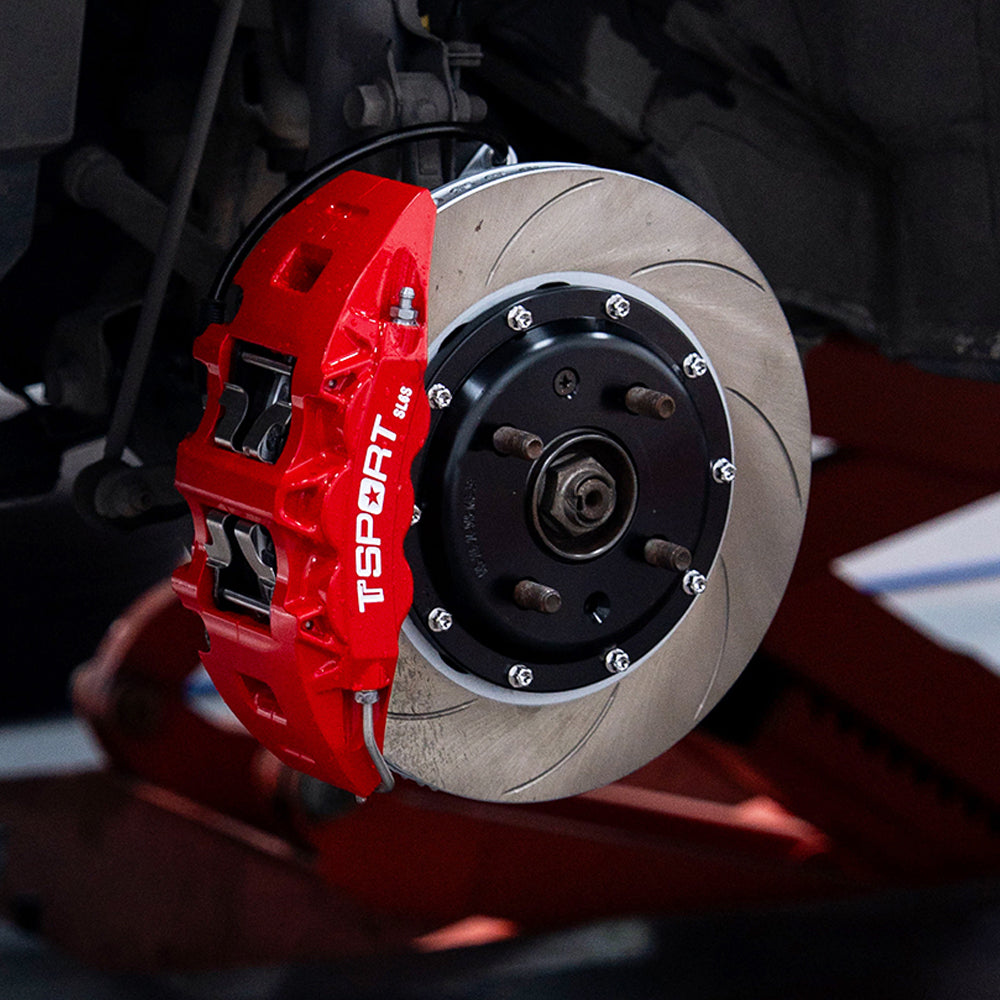
ทีมของเราจะยืนยันระยะห่างล้อ สเปกขายึด และการเดินสายเบรกก่อนคำสั่งซื้อของคุณจัดส่ง ดูการติดตั้งจริงจากลูกค้า หรือพูดคุยกับผู้เชี่ยวชาญด้านเบรก
Brake Kits · Fitment · Installation · Care Guide
A brake kit is not just a pair of larger calipers. Calipers, rotors, pads, hoses, brackets, rotor hats, mounting hardware, brake fluid, wheel clearance, and bedding procedure all work together as one system.
This guide explains how to confirm the right TTSPORT brake kit before ordering, what to check before installation, and how to care for the system after installation.
Do not order a brake kit by vehicle name alone. The correct kit depends on the vehicle, axle position, wheel package, driving use, and brake system layout.
Wheel Clearance & Data Disclaimer: Technical fitment data applies strictly to rotor hats and mounting brackets—not wheel geometry. Wheel compatibility specs are provided for general reference only. Insufficient wheel clearance is not covered under warranty or data accuracy claims; if clearance is insufficient, wheel spacers must be added at the customer's discretion.
Different TTSPORT brake kit series use different hardware layouts. Always confirm what the kit includes before purchase.
Use direct-mount calipers and one-piece rotors where specified. These kits do not use rotor hats or caliper brackets unless the final product page clearly states otherwise.
Use separate friction rings and rotor hats. Hat offset, ring bolt pattern, hardware style, and rotor direction must be matched correctly.
May require bespoke brackets, rotor hats, brake lines, and engineering confirmation based on knuckle, hub, wheel, and competition use.
Require extra attention to wheel clearance, tire size, vehicle load, descent control, hose routing, and dust / water exposure.
Do not assume every brake kit includes the same parts. Package contents vary by product series, vehicle application, and final order configuration.
Before finalizing the order, review the kit specification carefully. Confirm the brake kit is matched to your vehicle and wheel setup, not only to the model name.
If any part is not listed in the final order or product page, do not assume it is included.
Inspect every component before installation. Do not modify, grind, drill, stretch, force, or space brake kit components to make them fit.
Safety: Brake kits affect braking force, hydraulic sealing, heat control, wheel clearance, and vehicle stability. Do not install the kit if fitment, torque, direction, clearance, or compatibility is unclear.
Correct installation is as important as the brake kit itself. A properly engineered kit can still perform poorly if installed with dirty mounting faces, incorrect torque, poor hose routing, or trapped air in the hydraulic system.
Verify caliper centering over the rotor and confirm even pad sweep across the friction surface.
Confirm left / right rotor direction if the rotor uses directional vanes or directional face pattern.
Check brake hose length and routing at full steering lock and full suspension travel. No twisting, rubbing, stretching, or kinking.
Check caliper-to-spoke and caliper-to-barrel clearance before road use. Wheel specs are for general estimation only—clearance issues are excluded from warranty/data claims and may require user-supplied wheel spacers.
Use the correct brake fluid type and bleed the system until pedal feel is firm and consistent.
Torque all brake hardware to the specified value. Do not reuse damaged, unknown, stretched, or corroded safety-critical fasteners.
Brake pads and rotors need a controlled bedding process before full performance is available. Bedding helps create an even transfer layer on the rotor surface, improving bite, pedal consistency, and vibration resistance.
Street pads, race pads, iron rotors, two-piece rotors, and carbon ceramic rotors may require different bedding procedures. Use the procedure supplied with the specific kit.
After installation and bedding, give the system a short break-in period before aggressive use. Pedal feel, pad contact, dust output, and noise may continue to settle after the first drives.
Brake kits need regular inspection, especially after track use, off-road use, towing, mountain driving, winter salt exposure, or any brake service.
Inspect pads, rotors, fluid level, and hose condition during normal service intervals. Prioritize quiet operation, smooth pedal feel, and even wear.
Check pad thickness, rotor surface condition, and fluid condition more often. Long descents create sustained heat even without track use.
Inspect for mud, sand, stone impact, hose abrasion, dust boot damage, and caliper contamination after trail use.
Inspect pads, rotors, fluid, and hardware before and after every event. Track heat shortens service intervals.
Check rear brake temperature, hydraulic handbrake behavior, pad wear, rotor cracking, and hardware condition frequently.
Use only compatible pads and approved bedding procedures. Inspect rotor surface condition carefully and avoid incompatible friction materials.
Do not continue driving if the brake system shows any of the following symptoms. Inspect the system or contact a qualified brake technician before using the vehicle again.
Send your vehicle details, brake kit series, wheel specs, driving use, photos, and any symptoms you notice. TTSPORT will help confirm fitment, installation checks, and the correct care path for your brake kit.
ขอบคุณสำหรับการสมัครสมาชิก!
อีเมลนี้ได้รับการลงทะเบียนแล้ว!