


คาลิเปอร์แบบ Direct-Mount
ยึดโบลต์เข้ากับสปินเดิลหน้า Fit / Jazz เดิม ไม่ต้องใช้ขายึด ไม่ต้องใช้อะแดปเตอร์
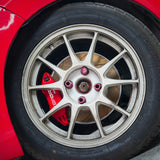
ซีรีส์ Direct-Mount · เพลาหน้า · 4 ลูกสูบ
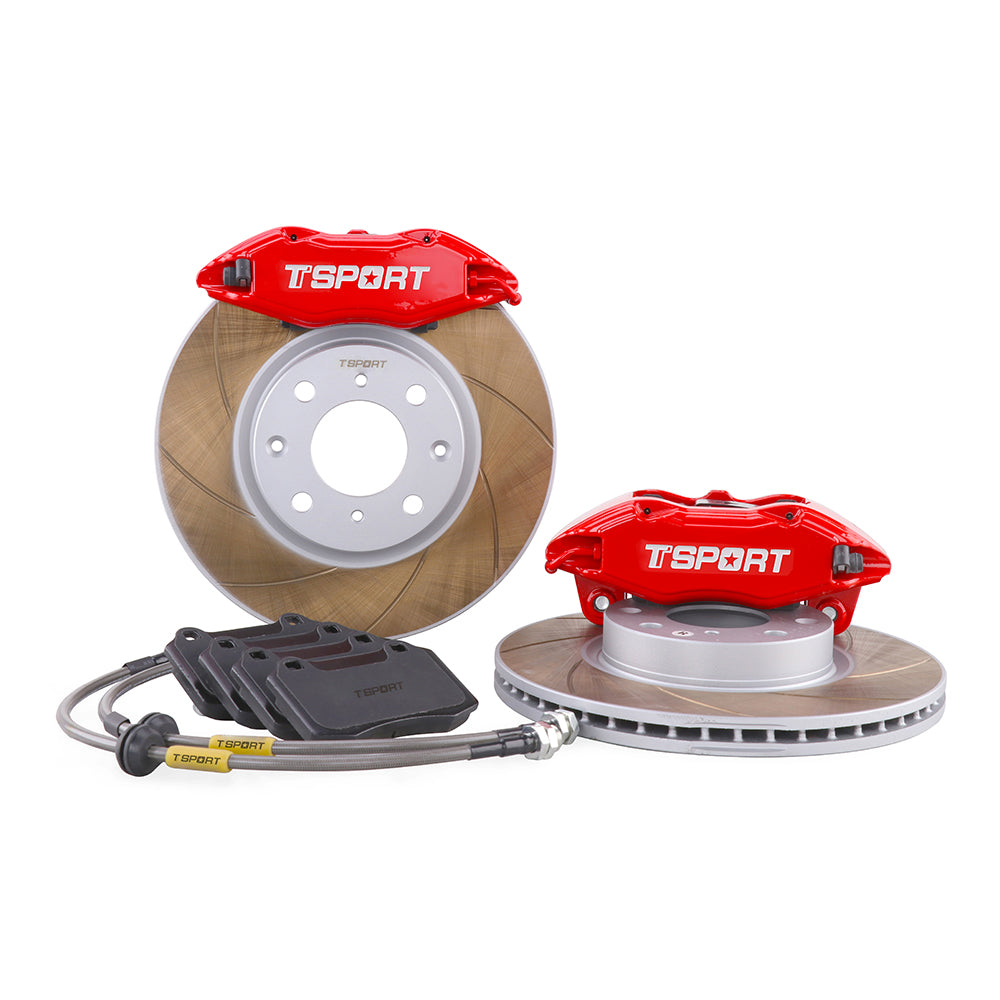
เบรกใหญ่ที่สร้างมาสำหรับรถเล็กที่ขับเคลื่อนด้วยโมเมนตัม ชุดเบรกใหญ่หน้า TTSPORT ซีรีส์ Direct-Mount นี้ออกแบบมาเฉพาะสำหรับ Honda Fit / Jazz โดยใช้คาลิเปอร์หล่อขึ้นรูป 4 พิสตัน WD4 จานเบรกแบบมีช่องระบายอากาศภายในขนาด Ø262 มม. × 21 มม. และข้อต่อสายเบรกเฉพาะรุ่นรถ
เบรกหน้าเดิมจากโรงงานใช้ได้กับการขับความเร็วปกติ แต่เมื่อคุณใส่ยางที่เกาะถนนกว่า ขับเส้นทางภูเขา หรือเค้นรอบออโตครอส มันจะกลายเป็นข้อจำกัด ชุดคิทนี้ยกระดับขีดจำกัดนั้นด้วยคาลิเปอร์หล่อขึ้นรูปที่แข็งกว่า พื้นที่ลูกสูบมากกว่า จานเบรกใหญ่กว่า และแป้นเบรกที่แน่นกว่า โดยไม่บังคับให้คุณต้องใช้ล้อ 17 นิ้ว
ยึดโบลต์เข้ากับสปินเดิลหน้า Fit / Jazz เดิม ไม่ต้องใช้ขายึด ไม่ต้องใช้อะแดปเตอร์
คาลิเปอร์ WD4 หล่อขึ้นรูป 4 พิสตัน พร้อมลูกสูบ 38 มม. และพื้นที่ลูกสูบรวม 45.4 ตร.ซม. ต่อคาลิเปอร์
จานดิสก์มีช่องระบายอากาศขนาด Ø262 มม. × 21 มม. ให้การระบายความร้อนจริงโดยไม่ทำให้ช่วงล่างหน้าหรือล้อรับภาระหนักเกินไป
สายเบรกถัก SUS304 สามชั้น พร้อมซับใน PTFE และเปลือก PVC ข้อต่อขนาดพอดีทั้งฝั่งตัวถังและคาลิเปอร์
ออกแบบให้พ้นล้อ 15 นิ้วทั่วไป โดยมีระยะห่างก้านล้อขั้นต่ำ 42 มม.
แข็งกว่าคาลิเปอร์ OE ชนิดหล่อ ดังนั้นระยะเหยียบแป้นเบรกจึงส่งไปที่ผ้าเบรก ไม่ใช่สูญเสียไปกับการบิดตัวของคาลิเปอร์
| คาลิปเปอร์เบรก | |
|---|---|
| ซีรีส์ | ซีรีส์ Direct-Mount |
| รุ่น / การใช้งาน | WD4 |
| ตำแหน่งเพลา | ด้านหน้า |
| จำนวนลูกสูบ | 4 พิสตัน |
| ประเภทลูกสูบ | ลูกสูบอะลูมิเนียมอัลลอยด์ไม่มีฝาครอบกันฝุ่น |
| เส้นผ่านศูนย์กลางลูกสูบ | 38 มม. × 4 |
| ขนาดคาลิปเปอร์ | ยาว 205 มม. × กว้าง 110 มม. × สูง 89 มม. |
| พื้นที่ลูกสูบรวม | 45.4 ซม.² ต่อคาลิเปอร์ (รวมลูกสูบทั้งหมด) |
| กระบวนการผลิต | ตัวเรือนอะลูมิเนียมตีขึ้นรูปสองชิ้น |
| น้ำหนักสุทธิ | 1.80 กก. ต่อคาลิเปอร์ ไม่รวมผ้าเบรก |
| ผิวสำเร็จ | การเคลือบเงาทนอุณหภูมิสูง |
| ขนาดล้อที่แนะนำ | 15 นิ้วขึ้นไป |
| ขนาดจานดิสก์ที่แนะนำ | Ø262 มม. × 21 มม. |
| จานเบรก | |
| วัสดุจานเบรก | เหล็กหล่อคาร์บอนสูงผ่านการอบชุบความร้อน |
| ตำแหน่งเพลา | ด้านหน้า |
| ขนาดจานเบรก | Ø262 มม. × 21 มม. |
| โครงสร้าง | จานเบรกชิ้นเดียว |
| การระบายอากาศ | มีช่องระบายอากาศภายใน |
| การยึดจานเบรก | แบบคงที่ |
| ดีไซน์ระบุทิศทาง | ใช่ — ระบุซ้าย/ขวา |
| รูปแบบหน้าจานเบรก | ร่องโค้ง / ร่องแบบ Grain Slot |
| ผ้าเบรก | |
| วัสดุจานเบรกที่รองรับ | รองรับเฉพาะจานเบรกเหล็ก / เหล็กกล้า |
| ช่วงอุณหภูมิใช้งาน | 0–600 °C |
| ค่าสัมประสิทธิ์ความเสียดทานเฉลี่ย | ค่า μ เฉลี่ย: 0.38; ค่าที่เปลี่ยนแปลงขึ้นอยู่กับอุณหภูมิ แรงดันในระบบเบรก และสภาพจานเบรก |
| สายเบรก | |
| โครงสร้างสายเบรก | โครงสร้างเสริมแรงแบบสามชั้น |
| วัสดุสายเบรก | ชั้นใน PTFE / ถักสแตนเลส SUS304 / ปลอกหุ้มป้องกัน PVC |
| ข้อต่อสายเบรก | ข้อต่อเฉพาะรุ่นรถ; ข้อต่อฝั่งคาลิปเปอร์และฝั่งแชสซีจะแตกต่างกันไปตามการใช้งาน |
| การใช้งานกับรุ่นรถและการจับคู่จานเบรก | |
| 2009-2014 Honda Fit / Jazz (GE / GG) | ด้านหน้า · Ø262 มม. × 21 มม. |
| 2014-2020 Honda Fit / Jazz (GK / GH / GP) | ด้านหน้า · Ø262 มม. × 21 มม. |
| 2020-2026 Honda Fit / Jazz (GR / GS) | ด้านหน้า · Ø262 มม. × 21 มม. |
| ความเข้ากันได้และการติดตั้ง | |
| การใช้งานหลักกับรุ่นรถ | Honda Fit / Jazz |
| ปีรุ่น & รหัสแชสซี | 2009-2014 GE / GG · 2014-2020 GK / GH / GP · 2020-2026 GR / GS |
| เพลา | ด้านหน้า |
| ประเภทการติดตั้งคาลิปเปอร์ | ติดตั้งแบบตรง |
| ขนาดล้อขั้นต่ำ | 15 นิ้วขึ้นไป |
| ระยะห่างซี่ล้อขั้นต่ำ | 42 มม. |
| ประเภทข้อต่อสายเบรก | ข้อต่อเฉพาะรุ่นรถ; ข้อต่อฝั่งคาลิปเปอร์และฝั่งแชสซีจะแตกต่างกันไปตามการใช้งาน |
| ขั้นตอนการเบดดิ้งอิน (Bedding-In) | จำเป็นต้องใช้ |
ตรวจสอบรหัสแชสซี Honda Fit / Jazz เส้นผ่านศูนย์กลางล้อหน้า และระยะห่างระหว่างก้านล้อกับคาลิเปอร์อย่างน้อย 42 มม. ก่อนสั่งซื้อ ค่า offset ของล้อและรูปทรงก้านล้อมีผลต่อระยะห่างจริง
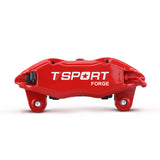
คาลิเปอร์หน้า 4 ลูกสูบ WD4 ขึ้นรูปด้วยการตี forging จำนวน 2 ตัว
ผ้าเบรกสำหรับคาลิปเปอร์หน้าทั้งสองข้าง ทนอุณหภูมิ 0–600 °C และออกแบบสำหรับจานเบรกเหล็ก / เหล็กกล้า
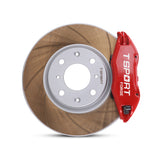
จานเบรกเจาะรูระบายความร้อนแบบชิ้นเดียว Ø262 มม. × 21 มม. จำนวน 2 ใบ ระบุซ้าย/ขวาเฉพาะ
สายเบรกถักสแตนเลสพร้อมข้อต่อเฉพาะรุ่นสำหรับ Fit / Jazz
ก่อนสั่งซื้อ ตรวจสอบรหัสแชสซี เส้นผ่านศูนย์กลางล้อหน้า และระยะห่างระหว่างก้านล้อกับคาลิเปอร์อย่างน้อย 42 มม. ค่า offset ของล้อและรูปทรงก้านล้อมีผลต่อระยะห่างจริง

ต้องใช้ล้อขนาด 15 นิ้วขึ้นไป

ระยะห่างก้านล้อขั้นต่ำ: 42 มม. ถึงหน้าคาลิเปอร์

ตรวจสอบรหัสแชสซี Honda Fit / Jazz: GE / GG, GK / GH / GP หรือ GR / GS
ค่า offset ของล้อ รูปทรงก้านล้อ และดีไซน์กระทะล้อ ล้วนมีผลต่อระยะห่างจริง เราแนะนำให้ตรวจสอบด้วยเทมเพลตคาลิเปอร์หากคุณใช้ล้อที่ aggressive
ชุดเบรกใหญ่หน้า WD4 Direct-Mount นี้ออกแบบมาสำหรับรหัสตัวถัง Honda Fit / Jazz ได้แก่ GE, GG, GK, GH, GP, GR และ GS โปรดยืนยันรหัสตัวถัง เส้นผ่านศูนย์กลางล้อหน้า และระยะห่างก้านล้อขั้นต่ำ 42 มม. ก่อนสั่งซื้อ
จำเป็นต้องใช้ล้อขนาด 15 นิ้วขึ้นไป โดยมีระยะห่างก้านล้อถึงหน้าคาลิเปอร์อย่างน้อย 42 มม. ออฟเซตล้อ รูปทรงก้านล้อ และดีไซน์ขอบล้อ ล้วนส่งผลต่อระยะห่างจริง จึงแนะนำให้ตรวจสอบด้วยแม่แบบคาลิเปอร์สำหรับล้อที่ออกแบบพิเศษ
ชุดนี้ประกอบด้วยคาลิเปอร์หน้า WD4 หล่อขึ้นรูป 4 ลูกสูบ จำนวน 2 ตัว ผ้าเบรกสำหรับคาลิเปอร์หน้าทั้งสองข้าง จานเบรกแบบมีครีบระบายความร้อนชิ้นเดียวขนาด Ø262 มม. × 21 มม. แบบทิศทาง จำนวน 2 ใบ และสายเบรกถักสแตนเลสพร้อมข้อต่อเฉพาะรุ่นสำหรับ Fit / Jazz
ใช่ครับ คาลิปเปอร์เป็นแบบติดตั้งตรง (direct-mount) เข้ากับสเตอร์นหน้า (front knuckle) ของ Honda Fit / Jazz จากโรงงาน ข้อต่อสายเบรกเป็นแบบเฉพาะรุ่นทั้งฝั่งคาลิปเปอร์และฝั่งตัวถัง และจำเป็นต้องทำการเบดดิ้งอิน (bedding-in) อย่างถูกต้องหลังการติดตั้ง
ไม่ครับ คาลิปเปอร์หน้า WD4 ใช้ลูกสูบอะลูมิเนียมอัลลอยด์ที่ไม่มีชุดยางกันฝุ่น ควรตรวจสอบและทำความสะอาดบริเวณลูกสูบระหว่างการบำรุงรักษาตามระยะ โดยเฉพาะหลังฝนตก การใช้งานในสนาม ฝุ่น หรือการขับขี่บนถนนที่มีเกลือโรย
เมื่อเทียบกับเบรกหน้าแบบโรงงาน ชุด WD4 เพิ่มจานดิสก์ขนาด Ø262 มม. × 21 มม. พื้นที่ลูกสูบรวม 45.4 ตร.ซม. ต่อคาลิปเปอร์จากลูกสูบขนาด 38 มม. จำนวน 4 ตัว และตัวคาลิปเปอร์อะลูมิเนียม forged แบบสองชิ้นที่แข็งแกร่งกว่า ให้ความรู้สึกเหยียบแป้นเบรกที่แน่นหนาขึ้น และต้านทานการเสื่อมประสิทธิภาพ (fade) ได้ดีขึ้นเมื่อเบรกแรงซ้ำ ๆ
ได้ครับ มีตัวเลือกสีคาลิปเปอร์และผิวสำเร็จแบบกำหนดเองสำหรับชุดนี้ โปรดติดต่อ TTSPORT ก่อนสั่งซื้อเพื่อยืนยันระยะเวลาผลิตและราคา
ต้องการความช่วยเหลือในการยืนยันรหัสแชสซีหรือระยะห่างล้อ (wheel clearance) สำหรับ Fit / Jazz ของคุณหรือไม่ ทีมงานของเราจะตรวจสอบสเปกของคุณก่อนที่คุณจะสั่งซื้อ
Brake Kits · Fitment · Installation · Care Guide
A brake kit is not just a pair of larger calipers. Calipers, rotors, pads, hoses, brackets, rotor hats, mounting hardware, brake fluid, wheel clearance, and bedding procedure all work together as one system.
This guide explains how to confirm the right TTSPORT brake kit before ordering, what to check before installation, and how to care for the system after installation.
Do not order a brake kit by vehicle name alone. The correct kit depends on the vehicle, axle position, wheel package, driving use, and brake system layout.
Wheel Clearance & Data Disclaimer: Technical fitment data applies strictly to rotor hats and mounting brackets—not wheel geometry. Wheel compatibility specs are provided for general reference only. Insufficient wheel clearance is not covered under warranty or data accuracy claims; if clearance is insufficient, wheel spacers must be added at the customer's discretion.
Different TTSPORT brake kit series use different hardware layouts. Always confirm what the kit includes before purchase.
Use direct-mount calipers and one-piece rotors where specified. These kits do not use rotor hats or caliper brackets unless the final product page clearly states otherwise.
Use separate friction rings and rotor hats. Hat offset, ring bolt pattern, hardware style, and rotor direction must be matched correctly.
May require bespoke brackets, rotor hats, brake lines, and engineering confirmation based on knuckle, hub, wheel, and competition use.
Require extra attention to wheel clearance, tire size, vehicle load, descent control, hose routing, and dust / water exposure.
Do not assume every brake kit includes the same parts. Package contents vary by product series, vehicle application, and final order configuration.
Before finalizing the order, review the kit specification carefully. Confirm the brake kit is matched to your vehicle and wheel setup, not only to the model name.
If any part is not listed in the final order or product page, do not assume it is included.
Inspect every component before installation. Do not modify, grind, drill, stretch, force, or space brake kit components to make them fit.
Safety: Brake kits affect braking force, hydraulic sealing, heat control, wheel clearance, and vehicle stability. Do not install the kit if fitment, torque, direction, clearance, or compatibility is unclear.
Correct installation is as important as the brake kit itself. A properly engineered kit can still perform poorly if installed with dirty mounting faces, incorrect torque, poor hose routing, or trapped air in the hydraulic system.
Verify caliper centering over the rotor and confirm even pad sweep across the friction surface.
Confirm left / right rotor direction if the rotor uses directional vanes or directional face pattern.
Check brake hose length and routing at full steering lock and full suspension travel. No twisting, rubbing, stretching, or kinking.
Check caliper-to-spoke and caliper-to-barrel clearance before road use. Wheel specs are for general estimation only—clearance issues are excluded from warranty/data claims and may require user-supplied wheel spacers.
Use the correct brake fluid type and bleed the system until pedal feel is firm and consistent.
Torque all brake hardware to the specified value. Do not reuse damaged, unknown, stretched, or corroded safety-critical fasteners.
Brake pads and rotors need a controlled bedding process before full performance is available. Bedding helps create an even transfer layer on the rotor surface, improving bite, pedal consistency, and vibration resistance.
Street pads, race pads, iron rotors, two-piece rotors, and carbon ceramic rotors may require different bedding procedures. Use the procedure supplied with the specific kit.
After installation and bedding, give the system a short break-in period before aggressive use. Pedal feel, pad contact, dust output, and noise may continue to settle after the first drives.
Brake kits need regular inspection, especially after track use, off-road use, towing, mountain driving, winter salt exposure, or any brake service.
Inspect pads, rotors, fluid level, and hose condition during normal service intervals. Prioritize quiet operation, smooth pedal feel, and even wear.
Check pad thickness, rotor surface condition, and fluid condition more often. Long descents create sustained heat even without track use.
Inspect for mud, sand, stone impact, hose abrasion, dust boot damage, and caliper contamination after trail use.
Inspect pads, rotors, fluid, and hardware before and after every event. Track heat shortens service intervals.
Check rear brake temperature, hydraulic handbrake behavior, pad wear, rotor cracking, and hardware condition frequently.
Use only compatible pads and approved bedding procedures. Inspect rotor surface condition carefully and avoid incompatible friction materials.
Do not continue driving if the brake system shows any of the following symptoms. Inspect the system or contact a qualified brake technician before using the vehicle again.
Send your vehicle details, brake kit series, wheel specs, driving use, photos, and any symptoms you notice. TTSPORT will help confirm fitment, installation checks, and the correct care path for your brake kit.
ขอบคุณสำหรับการสมัครสมาชิก!
อีเมลนี้ได้รับการลงทะเบียนแล้ว!