





リアアクスルバイアスコントロール
より大きなフロントBBKと組み合わせて、トラック、タイムアタック、ドリフト、耐久レースのビルドにおいてリアブレーキバイアスを設定するために設計されています。
レーシングシリーズ · サーキット · リアアクスル · 6ピストン
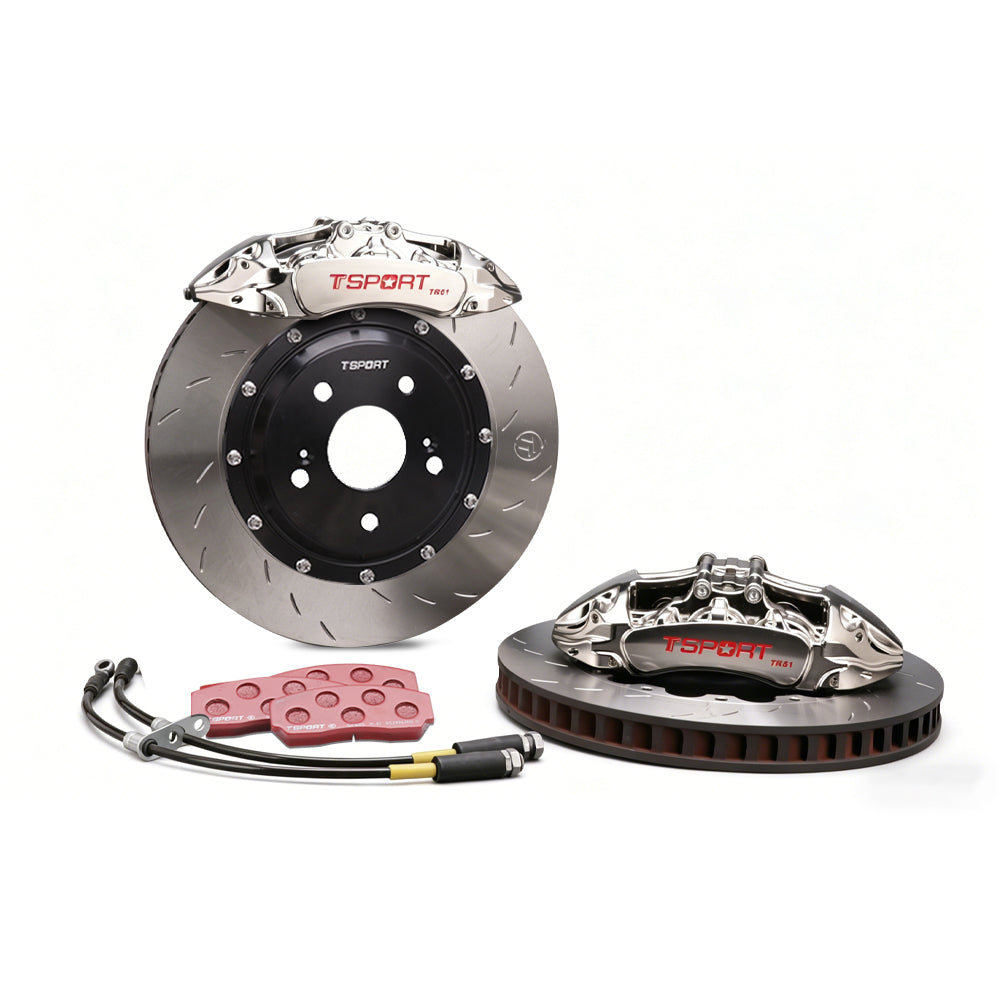
TR61リア6ピストンビッグブレーキキットは、サーキットシリーズのラジエーターキャリパーで、トラック、タイムアタック、耐久レースに適した設計です。モノブロック鍛造アルミニウムボディ、ダストブーツなしの6つのレーシングピストン、熱再現性と予測可能なリアブレーキバランスを実現する二ピースの方向性ローターセットを備えています。
TR61は、より大きなフロントBBKと組み合わせて使用するリアアクスル用レースキャリパーで、リアブレーキのバイアス調整が可能です。6ピストンのレイアウトは、27 / 28.5 / 32 mmの段差ボア構成を採用し、パッド全体に均一に荷重をかけることで、テーパー摩耗を減らし、繰り返しの激しいブレーキング時のパッド寿命を延ばします。ピストンシールはオープンタイプで、ダストブーツはなく、熱放散を促進し、セッション間のメンテナンスを容易にします。
より大きなフロントBBKと組み合わせて、トラック、タイムアタック、ドリフト、耐久レースのビルドにおいてリアブレーキバイアスを設定するために設計されています。
モノブロック鍛造アルミニウムボディは高い剛性と低いたわみを実現。
27 mm × 2 / 28.5 mm × 2 / 32 mm × 2のピストンレイアウトは、パッドを均一に荷重し、一定のペダルフィールを提供します。
Ø355またはØ380 mmの二ピース方向性ローター、内部ベント加工済み、固定式またはフローティング式(ローターサイズと用途により異なる)。
クラブデーやHPDE向けの標準0–600°Cのパッドとローターのセット、またはタイムアタック、耐久レース、持続的な熱サイクル向けのオプションB 0–750°Cパッケージ。
ステンレス製ブレードライン、ラジアルブラケット、オープンレーシングピストン、必要なベッディング指示書により、実際のトラック作業に対応。
| ブレーキキャリパー | ||
|---|---|---|
| シリーズ | レーシングシリーズ — サーキット | |
| モデル / 適用範囲 | TR61 | |
| アクスル位置 | リア | |
| ピストン数 | 6ピストン | |
| ピストンタイプ | レーシングピストン、ダストブーツなし | |
| ピストンダイヤー | 27 mm × 2 / 28.5 mm × 2 / 32 mm × 2 | |
| キャリパー寸法 | 277.8 mm × 167.4 mm × 80.3 mm | |
| 総ピストン面積 | キャリパーあたり40.28cm²、全ピストン合計 | |
| 構造 | モノブロック鍛造アルミニウム | |
| 正味重量 | 1キャリパーあたり2.90 kg(パッドなし) | |
| 表面仕上げ | ニッケルメッキ仕上げ | |
| カスタムカラー | このモデルでは利用できません | |
| 推奨ホイールサイズ | 18インチ以上 | |
| 推奨ローターサイズ | Ø355–380 mm × 32 mm | |
| ブレーキローターの選択肢 | ||
| ローターオプション | スタンダードレース | オプションB — 耐久性 |
| ローター素材 | 熱処理高炭素鋳鉄 | レースグレードの熱処理済み高炭素鋳鉄 |
| ローター寸法 | Ø355またはØ380 mm × 32 mm | Ø355またはØ380 mm × 32 mm |
| 構造 | 二ピース、内部通気 | 二ピース、内部通気 |
| ローター ハット | 用途別合金ローターハット | 用途別合金ローターハット |
| 取り付け | 固定式またはフローティング式、ローターサイズと用途により異なる | 固定式またはフローティング式、ローターサイズと用途により異なる |
| 方向性デザイン | はい — 左右専用 | はい — 左右専用 |
| ローターフェースパターン | カーブスロット / グレインスロット / ウェーブスロット / ドリル&スロット | ウェーブスロット |
| 最適用途 | HPDE、オートクロス、クラブレース | タイムアタック、耐久レース、持続的な熱サイクル |
| ブレーキパッドの選択肢 | ||
| パッドオプション | スタンダードレース | オプションB — 耐久性 |
| 適合ローター | 鉄 / スチールローターのみ | 鉄 / スチールローターのみ |
| 動作温度範囲 | 0–600 °C | 0–750 °C |
| 平均摩擦係数 | μ ≈ 0.38 | μ ≈ 0.45 |
| 推奨用途 | クラブデー、HPDE、ストリート/トラック混合 | 耐久レース、タイムアタック、連続レースセッション |
| ライン、ブラケット&サービス | ||
| ブレーキライン構造 | 三層補強 | |
| ブレーキライン素材 | PTFE内側 / SUS304ステンレスブレード / PVC外側 | |
| キャリパー取り付け | 車両固有のキャリパーブラケットを用いたラジアルマウント | |
| キャリパーブラケット | 車両専用ラジアルブラケット | |
| ブレーキラインフィッティング | 車両専用、キャリパー側およびシャーシ側 | |
| ベッディングイン手順 | サーキット使用前に必要 | |
ニッケルメッキ仕上げは固定です — クロームやカラーの変更はこのモデルでは不可。ローター径とパッドコンパウンドは、フロントBBKセットアップ、リアブレーキバイアス目標、ホイールクリアランス、イベント形式に応じて選択してください。
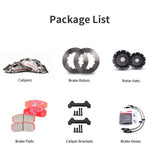
ニッケルメッキ仕上げのTR61リアモノブロック鍛造6ピストンキャリパー×2
リアキャリパー用ブレーキパッド(スタンダードレース0–600°CまたはオプションBエンデュランス0–750°Cパッケージから選択)
左右専用の二ピース内部ベントリアローター、Ø355またはØ380 mm × 32 mm
正しいリアキャリパー位置決めのための車両専用ラジアルキャリパーブラケット
リアハブ位置とローターオフセットに合わせたアプリケーション特定の合金ローターハット。
ステンレス製ブレードリアブレーキライン、PTFEインナー、SUS304ステンレスブレード、PVC外被
すべてのTR61リアサーキットレーシングシステムは、車両のリアナックル、ハブ位置、ローターハットオフセット、ホイールバレル、スポーククリアランス、フロントBBKセットアップ、ブレーキラインルーティング、リアブレーキバイアス目標に合わせて設計されています。目的は汎用性の高いユニバーサルフィットではなく、シャーシジオメトリに適合し、持続的なトラック熱下でもドライバーに再現性のあるペダル挙動を提供するリアブレーキパッケージを作ることです。
シャーシ、リアサスペンションとナックルの設定、モータースポーツ用途、リアブレーキの目標挙動、フロントBBKの設定、ホイールパッケージ、タイヤの化合物、ABS / 比例戦略、車両がOEMまたはカスタムリアアップライトを使用しているかどうかを確認します。
OEMナックルの場合はシャーシの詳細、ホイールの仕様、フロントブレーキの設定、リアハブの情報を提供してください。カスタムナックル、モータースポーツ用ハブ変換、または非OEローターオフセットの場合は、CADファイル、技術図面、ハブフェースのデータ、ローター取り付け寸法、または正確なブラケット取り付けポイントの測定値を提供してください。
TTSPORTは、ローターサイズ、車両固有のキャリパーブラケットジオメトリ、ローターハットのオフセット、ブレーキラインのルーティング、前後バイアスの目標、ベッディング要件を生産前、ベンチフィット前、出荷前に確認します。
ホイール、リアナックル、ローターオフセット、フロントBBK設定、またはブレーキラインのルーティングが適合しているか不明な場合、 お知らせください ご注文前にエンジニアリングチームに詳細を確認してください。
リアアクスル。TR61は、トラックやドリフトビルドでリアブレーキのバイアスを設定するために、より大きなフロントBBKと組み合わせて設計されています。
Ø355 × 32 mmまたはØ380 × 32 mm、いずれもアプリケーションに応じて二ピースフローティングまたは固定構造です。適合性については取り付けレビュー時に確認します。
標準は高炭素鉄ローターを使用し、パッドウィンドウは0–600°C、μは0.38です。オプションBはレースグレードの鉄ローターをWave Slotフェースとともに使用し、0–750°Cのパッドウィンドウとμ 0.45を備え、耐久性と持続熱性を向上させます。
最低18インチのホイール。ホイールのスポーク形状とオフセットも重要です。ホイールの仕様を送っていただければ、取り付け前にクリアランスを確認します。
TR61はレース用ピストンを使用し、ダストブーツとレースパッドコンパウンドは搭載していません。モータースポーツやトラック用途を想定しています。ストリート/トラックの二重用途の場合は、パッドコンパウンドのオプションについてお問い合わせください。
はい。適切なベッドイン作業が必要で、パッド素材の転写と摩擦面の安定化を行います。取扱説明書が付属します。
ローターのサイズ、パッドの化合物、ローターハットのオフセット、キャリパーブラケットのジオメトリ、前後のバイアス調整について、ブレーキエンジニアに相談してください。
Brake Kits · Fitment · Installation · Care Guide
A brake kit is not just a pair of larger calipers. Calipers, rotors, pads, hoses, brackets, rotor hats, mounting hardware, brake fluid, wheel clearance, and bedding procedure all work together as one system.
This guide explains how to confirm the right TTSPORT brake kit before ordering, what to check before installation, and how to care for the system after installation.
Do not order a brake kit by vehicle name alone. The correct kit depends on the vehicle, axle position, wheel package, driving use, and brake system layout.
Wheel Clearance & Data Disclaimer: Technical fitment data applies strictly to rotor hats and mounting brackets—not wheel geometry. Wheel compatibility specs are provided for general reference only. Insufficient wheel clearance is not covered under warranty or data accuracy claims; if clearance is insufficient, wheel spacers must be added at the customer's discretion.
Different TTSPORT brake kit series use different hardware layouts. Always confirm what the kit includes before purchase.
Use direct-mount calipers and one-piece rotors where specified. These kits do not use rotor hats or caliper brackets unless the final product page clearly states otherwise.
Use separate friction rings and rotor hats. Hat offset, ring bolt pattern, hardware style, and rotor direction must be matched correctly.
May require bespoke brackets, rotor hats, brake lines, and engineering confirmation based on knuckle, hub, wheel, and competition use.
Require extra attention to wheel clearance, tire size, vehicle load, descent control, hose routing, and dust / water exposure.
Do not assume every brake kit includes the same parts. Package contents vary by product series, vehicle application, and final order configuration.
Before finalizing the order, review the kit specification carefully. Confirm the brake kit is matched to your vehicle and wheel setup, not only to the model name.
If any part is not listed in the final order or product page, do not assume it is included.
Inspect every component before installation. Do not modify, grind, drill, stretch, force, or space brake kit components to make them fit.
Safety: Brake kits affect braking force, hydraulic sealing, heat control, wheel clearance, and vehicle stability. Do not install the kit if fitment, torque, direction, clearance, or compatibility is unclear.
Correct installation is as important as the brake kit itself. A properly engineered kit can still perform poorly if installed with dirty mounting faces, incorrect torque, poor hose routing, or trapped air in the hydraulic system.
Verify caliper centering over the rotor and confirm even pad sweep across the friction surface.
Confirm left / right rotor direction if the rotor uses directional vanes or directional face pattern.
Check brake hose length and routing at full steering lock and full suspension travel. No twisting, rubbing, stretching, or kinking.
Check caliper-to-spoke and caliper-to-barrel clearance before road use. Wheel specs are for general estimation only—clearance issues are excluded from warranty/data claims and may require user-supplied wheel spacers.
Use the correct brake fluid type and bleed the system until pedal feel is firm and consistent.
Torque all brake hardware to the specified value. Do not reuse damaged, unknown, stretched, or corroded safety-critical fasteners.
Brake pads and rotors need a controlled bedding process before full performance is available. Bedding helps create an even transfer layer on the rotor surface, improving bite, pedal consistency, and vibration resistance.
Street pads, race pads, iron rotors, two-piece rotors, and carbon ceramic rotors may require different bedding procedures. Use the procedure supplied with the specific kit.
After installation and bedding, give the system a short break-in period before aggressive use. Pedal feel, pad contact, dust output, and noise may continue to settle after the first drives.
Brake kits need regular inspection, especially after track use, off-road use, towing, mountain driving, winter salt exposure, or any brake service.
Inspect pads, rotors, fluid level, and hose condition during normal service intervals. Prioritize quiet operation, smooth pedal feel, and even wear.
Check pad thickness, rotor surface condition, and fluid condition more often. Long descents create sustained heat even without track use.
Inspect for mud, sand, stone impact, hose abrasion, dust boot damage, and caliper contamination after trail use.
Inspect pads, rotors, fluid, and hardware before and after every event. Track heat shortens service intervals.
Check rear brake temperature, hydraulic handbrake behavior, pad wear, rotor cracking, and hardware condition frequently.
Use only compatible pads and approved bedding procedures. Inspect rotor surface condition carefully and avoid incompatible friction materials.
Do not continue driving if the brake system shows any of the following symptoms. Inspect the system or contact a qualified brake technician before using the vehicle again.
Send your vehicle details, brake kit series, wheel specs, driving use, photos, and any symptoms you notice. TTSPORT will help confirm fitment, installation checks, and the correct care path for your brake kit.
購読ありがとうございます!
このメールアドレスは登録されました!