


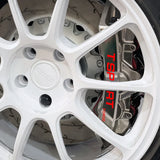


單體鍛造車身
一體成型的 machined 鋁合金在高壓下抗彎曲,提供更線性、更有信心的踏板感受。

電子郵件:sales@ttsport-racing.com
貨幣
 AED
AED
 AFN
AFN
 ALL
ALL
 AMD
AMD
 ANG
ANG
 AUD
AUD
 AWG
AWG
 AZN
AZN
 BAM
BAM
 BBD
BBD
 BDT
BDT
 BIF
BIF
 BND
BND
 BOB
BOB
 BSD
BSD
 BWP
BWP
 BZD
BZD
 CAD
CAD
 CDF
CDF
 CHF
CHF
 CNY
CNY
 CRC
CRC
 CVE
CVE
 CZK
CZK
 DJF
DJF
 DKK
DKK
 DOP
DOP
 DZD
DZD
 EGP
EGP
 ETB
ETB
 EUR
EUR
 FJD
FJD
 FKP
FKP
 GBP
GBP
 GMD
GMD
 GNF
GNF
 GTQ
GTQ
 GYD
GYD
 HKD
HKD
 HNL
HNL
 HUF
HUF
 IDR
IDR
 ILS
ILS
 INR
INR
 ISK
ISK
 JMD
JMD
 JPY
JPY
 KES
KES
 KGS
KGS
 KHR
KHR
 KMF
KMF
 KRW
KRW
 KYD
KYD
 KZT
KZT
 LAK
LAK
 LBP
LBP
 LKR
LKR
 MAD
MAD
 MDL
MDL
 MKD
MKD
 MMK
MMK
 MNT
MNT
 MOP
MOP
 MUR
MUR
 MVR
MVR
 MWK
MWK
 MYR
MYR
 NGN
NGN
 NIO
NIO
 NPR
NPR
 NZD
NZD
 PEN
PEN
 PGK
PGK
 PHP
PHP
 PKR
PKR
 PLN
PLN
 PYG
PYG
 QAR
QAR
 RON
RON
 RSD
RSD
 RWF
RWF
 SAR
SAR
 SBD
SBD
 SEK
SEK
 SGD
SGD
 SHP
SHP
 SLL
SLL
 STD
STD
 THB
THB
 TJS
TJS
 TOP
TOP
 TTD
TTD
 TWD
TWD
 TZS
TZS
 UAH
UAH
 UGX
UGX
 USD
USD
 UYU
UYU
 UZS
UZS
 VND
VND
 VUV
VUV
 WST
WST
 XAF
XAF
 XCD
XOF
XPF
XCD
XOF
XPF
 YER
YER
Mono 系列 · 前軸 · 6 活塞
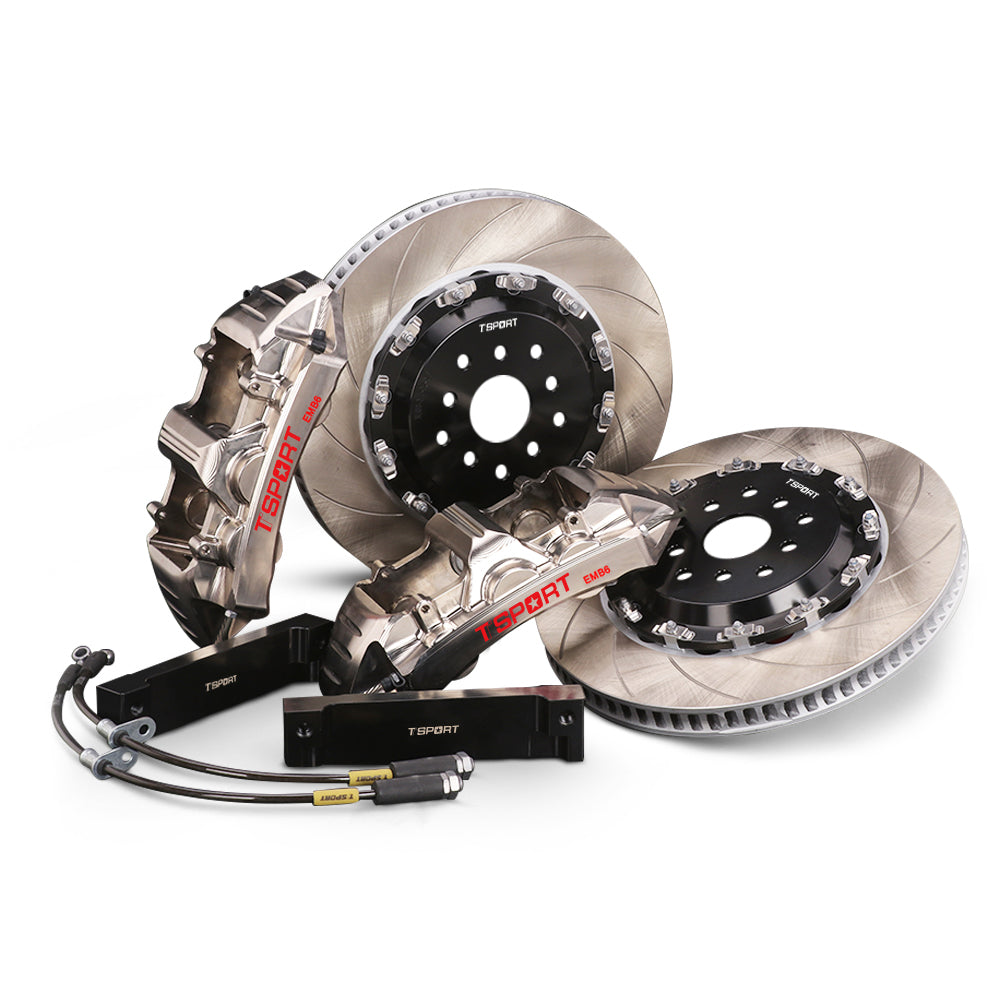
TTSPORT Mono EMB6 是一款以鍛造鋁單體卡鉗為核心的前軸大制動套件,配備六個交錯活塞、兩片式通風轉子(最大直徑 Ø405 mm)以及匹配的制動片和制動管硬件。專為追求更堅實踏板、更強熱容量及每圈或每次制動都能重複穩定制動性能的駕駛者設計。
一體成型的 machined 鋁合金在高壓下抗彎曲,提供更線性、更有信心的踏板感受。
30/34/38 毫米活塞均勻分配夾緊負載,確保前後邊緣磨損一致。
從制動片到液體的熱傳遞較慢,有助於在反覆制動時減少踏板衰退。
Ø355–405 毫米的碟盤提供較大的掃掠面積和內部葉片,有助於散熱。
PTFE 核心配合 SUS304 編織,保持踏板堅實且穩定。
| 制動卡鉗 | ||
|---|---|---|
| 系列 | Mono 系列 | |
| 型號 / 適用範圍 | EMB6 | |
| 軸位置 | 前 | |
| 活塞數量 | 六活塞 | |
| 活塞類型 | 雙片式隔熱活塞,無塵封圈 | |
| 活塞直徑 | 30 mm × 2 / 34 mm × 2 / 38 mm × 2 | |
| 總活塞面積 | 每個卡鉗(所有活塞合計)面積:55.0 平方公分 | |
| 卡鉗尺寸 | 長382 毫米 × 寬160 毫米 × 高92 毫米 | |
| 製造工藝 | 單體鍛造鋁合金車身 | |
| 淨重 | 每個卡鉗重量:3.25 公斤(不含制動片) | |
| 表面處理 | 镍镀层 | |
| 建議輪圈尺寸 | 18 英寸或更大 | |
| 推薦轉子尺寸 | Ø355–405 毫米 × 32–34 毫米 | |
| 煞車盤選項 | ||
| 轉子選項 | 鋼 / 高碳鋼 | 碳陶瓷 / CCB |
| 制動盤材質 | 熱處理高碳鑄鐵 | 碳陶瓷複合材料 |
| 軸位置 | 前 | 前 |
| 轉子尺寸 | Ø355×32 / Ø380×34 / Ø405×34 mm | Ø355×32 / Ø380×34 / Ø405×34 mm |
| 結構 | 雙片式,內部通風 | 雙片式,內部通風 |
| 轉子安裝方式 | 固定式或浮動式,尺寸與應用相關 | 浮動式 |
| 方向性設計 | 是 — 左右專用 | 是 — 左右專用 |
| 轉子面板圖案 | 彎槽 / 粒狀槽 / 波浪槽 / 打孔槽 | 交叉鑽孔 |
| 制動片選項 | ||
| 墊片選項 | 適用於鐵/鋼碟盤 | 適用碳陶瓷轉子 |
| 兼容轉子材料 | 僅限鐵/鋼轉子 | 僅限碳陶瓷轉子 |
| 工作溫度範圍 | 0–600 °C | 0–700 °C |
| 平均摩擦係數 | 0.38 | 0.45 |
| 制動管線 | ||
| 制動油管結構 | 三層結構 | |
| 刹車油管材質 | PTFE 內襯 / SUS304 不銹鋼編織 / PVC 保護套 | |
| 制動管接頭 | 卡鉗和底盤側的車輛專用配件 | |
| 支架 | ||
| 轉子帽製造工藝 | CNC 加工 | |
| 轉子帽材料 | 高強度鋁合金 | |
| 卡鉗支架製造工藝 | CNC 加工 | |
| 卡鉗支架材料 | 碳鋼 | |
| 卡鉗安裝類型 | 徑向安裝,配備車輛專用支架 | |
| 適配與安裝 | ||
| 最小輪輻間隙 | 101毫米 | |
| 建議輪圈尺寸 | 18 英寸或更大 | |
| 轉子直徑選擇 | 355、380 或 405 毫米,根據車輛應用和輪圈間隙選擇 | |
| 預熱程序 | 在激烈駕駛前必須安裝 | |
摩擦值會隨溫度、線壓和轉子狀況變化。制動片必須與轉子材質匹配 — 不可將鐵轉子制動片用於 CCB 或反之。
兩個 EMB6 單體六活塞前卡鉗。
匹配的前卡鉗制動片。
您選擇尺寸和材質的雙片轉子。
CNC 加工的碳鋼徑向安裝支架。
CNC 加工的高強度鋁合金碟盤帽。
不銹鋼編織制動油管,配備專用車輛配件。
訂購前請確認適配性。 輪圈直徑、輪輻間隙、轉子直徑、制動管接頭及支架安裝皆需確認,以確保套件達到預期的踏板反應與穩定性。

最小直徑為 18 吋。較大尺寸的碟盤(380 毫米或 405 毫米)通常需要 19 吋或 20 吋的輪圈,視輪輻形狀和輪圈輪廓而定。

EMB6 至少需要 101 毫米的輪圈間隙。訂購前請確認您的輪圈輪圈內徑。

EMB6 是一款平台適配的大型制動套件。請在訂購前確認專用車輛的支架和制動管配件是否符合您的車型、年份和品牌。
EMB6 為平台適配大制動套件,使用車輛專用支架與制動管接頭,訂購前必須確認與您的車型、年份、品牌完全匹配。請提供您的車輛資訊與我們聯繫確認。
18 吋是最小尺寸,且至少有 101 毫米的辐条间隙。较大尺寸的转子(380 毫米或 405 毫米)通常需要 19 吋或 20 吋的轮圈,具体取决于辐条形状和桶形轮廓。
高碳钢转子提供强烈的咬合感、易于更换刹车片且成本较低。碳陶瓷转子散热更快、重量更轻,在持续高温下抗衰减能力更强,但需要专用的 CCB 刹车片且预算较高。
单块卡钳主体由单一铝合金坯料锻造并加工而成。它在高压力下比螺栓连接的两件式设计更抗弯曲,从而带来更坚实的踩踏感和更稳定的刹车片夹紧力。
不包含。我们建议使用高温 DOT 4 或赛用级刹车液,安装后应完全排气。套件中包含不锈钢编织刹车油管。
EMB6 是前桥套件。为了实现平衡升级,建议搭配匹配的 TTSPORT 后轮大刹车套件,尺寸应符合您的车辆刹车配比。
请提供您的车辆信息、轮圈尺寸和使用目的。我们将在发货前确认转子直径、支架适配和油管接头。
Brake Kits · Fitment · Installation · Care Guide
A brake kit is not just a pair of larger calipers. Calipers, rotors, pads, hoses, brackets, rotor hats, mounting hardware, brake fluid, wheel clearance, and bedding procedure all work together as one system.
This guide explains how to confirm the right TTSPORT brake kit before ordering, what to check before installation, and how to care for the system after installation.
Do not order a brake kit by vehicle name alone. The correct kit depends on the vehicle, axle position, wheel package, driving use, and brake system layout.
Brake kits are application-specific. A visually similar kit can still have the wrong rotor offset, bracket geometry, hose fitting, caliper position, or wheel clearance requirement.
Different TTSPORT brake kit series use different hardware layouts. Always confirm what the kit includes before purchase.
Use direct-mount calipers and one-piece rotors where specified. These kits do not use rotor hats or caliper brackets unless the final product page clearly states otherwise.
Use separate friction rings and rotor hats. Hat offset, ring bolt pattern, hardware style, and rotor direction must be matched correctly.
May require bespoke brackets, rotor hats, brake lines, and engineering confirmation based on knuckle, hub, wheel, and competition use.
Require extra attention to wheel clearance, tire size, vehicle load, descent control, hose routing, and dust / water exposure.
Do not assume every brake kit includes the same parts. Package contents vary by product series, vehicle application, and final order configuration.
Before finalizing the order, review the kit specification carefully. Confirm the brake kit is matched to your vehicle and wheel setup, not only to the model name.
If any part is not listed in the final order or product page, do not assume it is included.
Inspect every component before installation. Do not modify, grind, drill, stretch, force, or space brake kit components to make them fit.
Safety: Brake kits affect braking force, hydraulic sealing, heat control, wheel clearance, and vehicle stability. Do not install the kit if fitment, torque, direction, clearance, or compatibility is unclear.
Correct installation is as important as the brake kit itself. A properly engineered kit can still perform poorly if installed with dirty mounting faces, incorrect torque, poor hose routing, or trapped air in the hydraulic system.
Verify caliper centering over the rotor and confirm even pad sweep across the friction surface.
Confirm left / right rotor direction if the rotor uses directional vanes or directional face pattern.
Check brake hose length and routing at full steering lock and full suspension travel. No twisting, rubbing, stretching, or kinking.
Check caliper-to-spoke and caliper-to-barrel clearance before road use. Wheel diameter alone is not enough.
Use the correct brake fluid type and bleed the system until pedal feel is firm and consistent.
Torque all brake hardware to the specified value. Do not reuse damaged, unknown, stretched, or corroded safety-critical fasteners.
Brake pads and rotors need a controlled bedding process before full performance is available. Bedding helps create an even transfer layer on the rotor surface, improving bite, pedal consistency, and vibration resistance.
Street pads, race pads, iron rotors, two-piece rotors, and carbon ceramic rotors may require different bedding procedures. Use the procedure supplied with the specific kit.
After installation and bedding, give the system a short break-in period before aggressive use. Pedal feel, pad contact, dust output, and noise may continue to settle after the first drives.
Brake kits need regular inspection, especially after track use, off-road use, towing, mountain driving, winter salt exposure, or any brake service.
Inspect pads, rotors, fluid level, and hose condition during normal service intervals. Prioritize quiet operation, smooth pedal feel, and even wear.
Check pad thickness, rotor surface condition, and fluid condition more often. Long descents create sustained heat even without track use.
Inspect for mud, sand, stone impact, hose abrasion, dust boot damage, and caliper contamination after trail use.
Inspect pads, rotors, fluid, and hardware before and after every event. Track heat shortens service intervals.
Check rear brake temperature, hydraulic handbrake behavior, pad wear, rotor cracking, and hardware condition frequently.
Use only compatible pads and approved bedding procedures. Inspect rotor surface condition carefully and avoid incompatible friction materials.
Do not continue driving if the brake system shows any of the following symptoms. Inspect the system or contact a qualified brake technician before using the vehicle again.
Send your vehicle details, brake kit series, wheel specs, driving use, photos, and any symptoms you notice. TTSPORT will help confirm fitment, installation checks, and the correct care path for your brake kit.
感謝您的訂閱!
此電子郵件已被註冊!