


街道
安靜、低塵、強烈的冷反應。適用於配備CCB的車輛日常駕駛。

電子郵件:sales@ttsport-racing.com
貨幣
 AED
AED
 AFN
AFN
 ALL
ALL
 AMD
AMD
 ANG
ANG
 AUD
AUD
 AWG
AWG
 AZN
AZN
 BAM
BAM
 BBD
BBD
 BDT
BDT
 BIF
BIF
 BND
BND
 BOB
BOB
 BSD
BSD
 BWP
BWP
 BZD
BZD
 CAD
CAD
 CDF
CDF
 CHF
CHF
 CNY
CNY
 CRC
CRC
 CVE
CVE
 CZK
CZK
 DJF
DJF
 DKK
DKK
 DOP
DOP
 DZD
DZD
 EGP
EGP
 ETB
ETB
 EUR
EUR
 FJD
FJD
 FKP
FKP
 GBP
GBP
 GMD
GMD
 GNF
GNF
 GTQ
GTQ
 GYD
GYD
 HKD
HKD
 HNL
HNL
 HUF
HUF
 IDR
IDR
 ILS
ILS
 INR
INR
 ISK
ISK
 JMD
JMD
 JPY
JPY
 KES
KES
 KGS
KGS
 KHR
KHR
 KMF
KMF
 KRW
KRW
 KYD
KYD
 KZT
KZT
 LAK
LAK
 LBP
LBP
 LKR
LKR
 MAD
MAD
 MDL
MDL
 MKD
MKD
 MMK
MMK
 MNT
MNT
 MOP
MOP
 MUR
MUR
 MVR
MVR
 MWK
MWK
 MYR
MYR
 NGN
NGN
 NIO
NIO
 NPR
NPR
 NZD
NZD
 PEN
PEN
 PGK
PGK
 PHP
PHP
 PKR
PKR
 PLN
PLN
 PYG
PYG
 QAR
QAR
 RON
RON
 RSD
RSD
 RWF
RWF
 SAR
SAR
 SBD
SBD
 SEK
SEK
 SGD
SGD
 SHP
SHP
 SLL
SLL
 STD
STD
 THB
THB
 TJS
TJS
 TOP
TOP
 TTD
TTD
 TWD
TWD
 TZS
TZS
 UAH
UAH
 UGX
UGX
 USD
USD
 UYU
UYU
 UZS
UZS
 VND
VND
 VUV
VUV
 WST
WST
 XAF
XAF
 XCD
XOF
XPF
XCD
XOF
XPF
 YER
YER
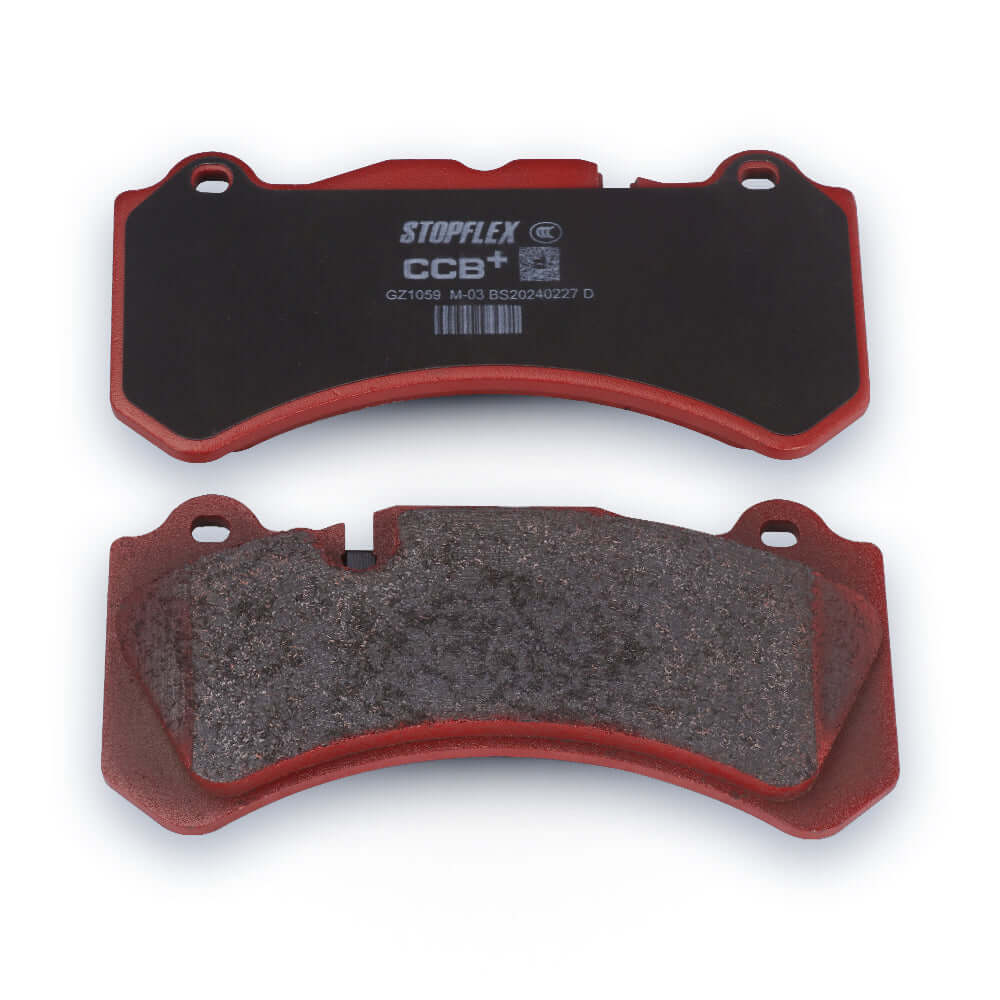
煞車皮 · M-03 化合物 · 僅適用於碳陶瓷轉子
TTSPORT M-03是一款低金屬樹脂摩擦化合物,專為碳陶瓷煞車轉子設計。它提供自信的冷咬合、穩定的高溫反應,以及可控的踏板感覺,同時保持與CCB盤片所需的摩擦行為相容。
僅適用於 CCB 刹車盤。 M-03專為碳陶瓷煞車盤配方。除非TTSPORT確認與您的特定應用相容,否則勿安裝於傳統鑄鐵或鋼轉子上。
| 刹車片化合物 | |
|---|---|
| 系列 | M-03 |
| 產品類型 | 刹車片 / 摩擦化合物 |
| 配方類型 | 低金屬樹脂 |
| 轉子相容性 | 僅適用於碳陶瓷煞車盤 |
| 不適用於 | 除非TTSPORT另行確認,否則適用於傳統鑄鐵或鋼轉子 |
| 適用範圍 | 適用於配備 CCB 的車輛的街道與性能駕駛 |
| 冷咬合 | 強烈、即時 |
| 粉塵特性 | 低至中等 |
| 噪音特性 | 在正常使用下較低 |
| 踏板感覺 | 線性、可調節 |
| 賽道評級 | 未聲稱專用賽道日或耐久性評級 |
此化合物未聲稱有賽道日或耐久性評級。如需長時間封閉賽道使用,請聯繫TTSPORT獲取適用於您的CCB系統的化合物建議。
本產品頁僅描述刹車片。卡鉗、刹車轉子、刹車軟管、刹車液、支架、轉子帽、磨損感測器與安裝硬件不包含在內,除非在最終訂單中特別說明。
安靜、低塵、強烈的冷反應。適用於配備CCB的車輛日常駕駛。
在鄉村道路和山路反覆急剎時,保持穩定的摩擦和一致的踏板感覺。
未作為專用賽道配方評級。如需封閉賽道使用,請申請 CCB 賽道專用配方建議。
碳陶瓷轉子傳遞摩擦膜的方式不同於鐵轉子。建議輕微且均勻的預熱,而非激烈的熱循環,除非TTSPORT指定您的CCB設置有不同的流程。
需要確認您的CCB卡鉗與轉子組合的適配性?請提供您的車輛、年份、卡鉗照片、煞車皮形狀和轉子細節。TTSPORT可以在您下單前驗證正確的M-03應用。
重要: 使用錯誤的墊片於碳陶瓷轉子上可能會損壞摩擦面並降低制動性能。安裝前請確認轉子材質、墊片形狀與卡鉗配合情況。
否。M-03專為碳陶瓷轉子配方。除非TTSPORT確認您的特定應用兼容,否則不建議在傳統鐵或鋼轉子上使用。
否。M-03是適用於CCB系統的街道與性能用化合物。若需長時間賽道使用,請聯繫TTSPORT獲取CCB賽道專用建議。
預期會產生低至中等的灰塵。M-03設計用於產生比較激進金屬CCB化合物更少的輪圈灰塵,同時保持強勁的冷啟動咬合力。
否。此化合物設計能在首次制動時提供強勁的冷啟動咬合力,並在正常街道與性能駕駛中隨溫度升高保持穩定反應。
請將您的車輛型號、年份、原廠卡鉗或BBK詳細資訊、墊片形狀、背板樣式、厚度及感應器配置發送給TTSPORT。TTSPORT將在您下單前確認適配性。
請提供您的車輛型號、年份、CCB轉子詳細資訊、卡鉗型號、墊片形狀、背板及感應器配置。TTSPORT將協助確認正確的M-03煞車墊應用,然後再進行訂購。
Brake Pads · Compound Selection · Bedding · Care Guide
Brake pads are not universal wear parts. Pad shape, compound, rotor material, caliper type, temperature window, noise tolerance, dust expectation, and driving use all matter. The right pad should match how the vehicle is actually driven, not just what fits inside the caliper.
This guide explains how to choose, install, bed in, and inspect TTSPORT brake pads so the compound works as intended.
Start with the exact vehicle and brake setup. A pad can look close and still have the wrong backing plate, thickness, sensor slot, or compound for the rotor material.
Do not order brake pads by vehicle name alone if the car has a big brake kit, swapped calipers, aftermarket rotors, or carbon ceramic brakes.
Be honest about the use case. A quiet daily pad and a track pad solve different problems. Choosing too aggressive a compound for street use can create noise, dust, poor cold bite, and unnecessary rotor wear. Choosing too mild a compound for track use can cause fade, glazing, and unstable pedal feel.
Prioritize cold bite, low noise, low dust, smooth release, and rotor-friendly wear. Ceramic or comfort-focused street compounds are usually the best fit.
Choose a compound with stronger bite and better heat tolerance while still keeping acceptable dust, noise, and cold-stop behavior.
Use a high-temperature compound designed for repeated hard braking. Expect more noise, dust, pad wear, and rotor wear.
Select based on surface, vehicle weight, tire grip, brake cooling, stint length, and whether consistent release or high initial bite matters more.
Pads and rotors work as a friction pair. The wrong pad can create poor bite, high wear, noise, uneven deposits, or rotor damage.
Important: Carbon ceramic rotors require compatible pad compounds and correct bedding. The wrong pad can damage the friction surface and reduce braking performance.
Every brake pad compound has a working temperature range. Street compounds are designed to work from cold and stay quiet during normal road use. Track compounds are designed to stay stable at higher temperatures, but may feel weak, noisy, or abrasive when cold.
Use the specific TTSPORT compound data for the final decision. Temperature range, friction coefficient, dust, noise, and rotor wear vary by compound.
Friction coefficient, often shown as μ, describes how strongly the pad grips the rotor under defined test conditions. Higher μ usually means stronger bite, but not automatically better street behavior.
Good for track, time attack, and late braking. Can feel grabby or noisy on the street.
Best for daily and performance street use where smooth modulation and predictable release matter.
Some compounds build bite as heat increases. Good for hard driving, but the driver must manage pedal pressure carefully.
Useful for trail braking, low-speed control, wet roads, off-road work, and mixed driving conditions.
There is no free compound. Higher heat capacity and stronger bite usually come with more dust, more noise, faster pad wear, or faster rotor wear. Low-dust, quiet pads are better for comfort but are not built for sustained track heat.
Brake pad installation should begin with inspection. New pads will not fix a damaged rotor, sticking caliper, seized guide pin, or contaminated brake system.
Safety: Brake pad installation should be completed by a qualified technician. Confirm pad fitment, rotor material, caliper condition, and brake-system safety before driving.
Bedding is required for stable bite, quiet operation, and consistent pedal feel. It creates a controlled transfer layer between the pad and rotor. Follow the exact TTSPORT compound procedure when supplied.
Street pads, race pads, and carbon ceramic pads may require different bedding methods. Do not use one generic bedding process for every compound.
Brake pads may continue to settle after the first bedding cycle. Pedal feel, dust output, and minor noise can change during the first drives.
Brake pads should be inspected regularly, especially after hard driving, mountain roads, towing, track use, winter salt exposure, or off-road use.
Do not continue driving if the brake system shows any of the following symptoms. Inspect the system or contact a qualified brake technician before using the vehicle again.
Send your vehicle details, caliper model, rotor material, pad shape, driving use, and any symptoms you notice. TTSPORT will help confirm the correct brake pad compound and care path for your setup.
感謝您的訂閱!
此電子郵件已被註冊!