




高炭素鋼配合
繰り返し高温ブレーキサイクル中の熱安定性向上を目的に設計されています。

メール:sales@ttsport-racing.com
Currency
 AED
AED
 AFN
AFN
 ALL
ALL
 AMD
AMD
 ANG
ANG
 AUD
AUD
 AWG
AWG
 AZN
AZN
 BAM
BAM
 BBD
BBD
 BDT
BDT
 BIF
BIF
 BND
BND
 BOB
BOB
 BSD
BSD
 BWP
BWP
 BZD
BZD
 CAD
CAD
 CDF
CDF
 CHF
CHF
 CNY
CNY
 CRC
CRC
 CVE
CVE
 CZK
CZK
 DJF
DJF
 DKK
DKK
 DOP
DOP
 DZD
DZD
 EGP
EGP
 ETB
ETB
 EUR
EUR
 FJD
FJD
 FKP
FKP
 GBP
GBP
 GMD
GMD
 GNF
GNF
 GTQ
GTQ
 GYD
GYD
 HKD
HKD
 HNL
HNL
 HUF
HUF
 IDR
IDR
 ILS
ILS
 INR
INR
 ISK
ISK
 JMD
JMD
 JPY
JPY
 KES
KES
 KGS
KGS
 KHR
KHR
 KMF
KMF
 KRW
KRW
 KYD
KYD
 KZT
KZT
 LAK
LAK
 LBP
LBP
 LKR
LKR
 MAD
MAD
 MDL
MDL
 MKD
MKD
 MMK
MMK
 MNT
MNT
 MOP
MOP
 MUR
MUR
 MVR
MVR
 MWK
MWK
 MYR
MYR
 NGN
NGN
 NIO
NIO
 NPR
NPR
 NZD
NZD
 PEN
PEN
 PGK
PGK
 PHP
PHP
 PKR
PKR
 PLN
PLN
 PYG
PYG
 QAR
QAR
 RON
RON
 RSD
RSD
 RWF
RWF
 SAR
SAR
 SBD
SBD
 SEK
SEK
 SGD
SGD
 SHP
SHP
 SLL
SLL
 STD
STD
 THB
THB
 TJS
TJS
 TOP
TOP
 TTD
TTD
 TWD
TWD
 TZS
TZS
 UAH
UAH
 UGX
UGX
 USD
USD
 UYU
UYU
 UZS
UZS
 VND
VND
 VUV
VUV
 WST
WST
 XAF
XAF
 XCD
XOF
XPF
XCD
XOF
XPF
 YER
YER
ブレーキローター摩擦リング · ウェーブスロット · トラック&レース用途
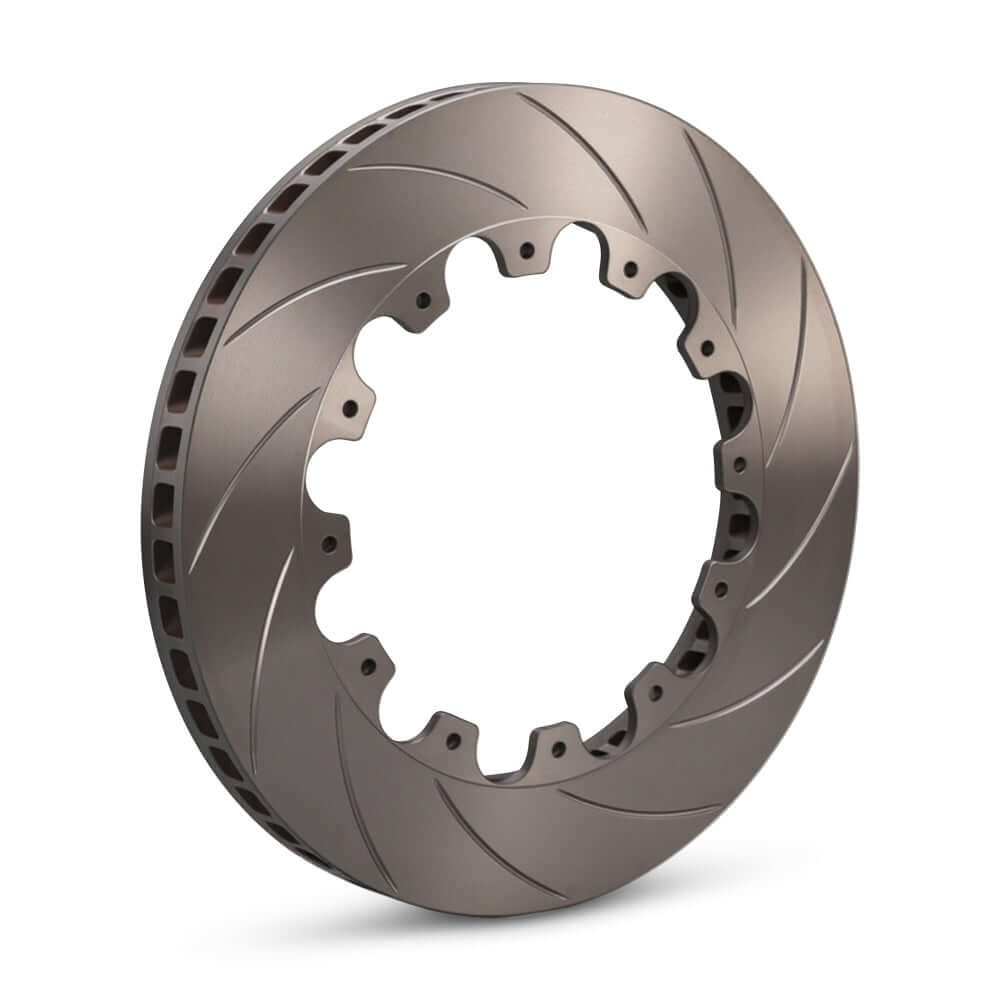
高炭素鋼製のレーシンググレードブレーキローター摩擦リングは、繰り返し高温サイクルに耐え、安定したペダルフィールと一貫した摩擦特性を追求した設計です。
このローター摩擦リングは、制御された熱管理と摩擦面の安定性を重視して設計されています。高炭素鋼の配合により、歪み、熱割れ、ストレスによる亀裂に対する耐性が向上します。結果として、より予測可能なペダルフィールと長時間のブレーキイベントに耐える摩擦面を実現します。
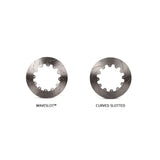
WaveSlotパターンは、ローターの回転に伴いリーディングエッジを繰り返し作り出すことで、パッドインターフェースを活性化します。これにより、ブレーキダスト、ガス、表面の汚染物質を排出し、激しいブレーキング時でも一貫した接触面を維持します。最良の結果を得るには、適切なレースパッドコンパウンドとベッディング手順と併用してください。
繰り返し高温ブレーキサイクル中の熱安定性向上を目的に設計されています。
機械加工されたスロットパターンはパッドインターフェースをアクティブに保ち、異物排出をサポートします。
適切なハットとキャリパーのセットアップと組み合わせることで、偏芯や一貫したペダルフィールを実現します。
負荷下での熱割れやストレスによる亀裂に対する耐性向上を目的に設計されています。
既存の競技用セットアップやカスタム二ピースローターアセンブリの交換用摩擦リングとして適しています。
| ブレーキローター摩擦リング | |
|---|---|
| 商品タイプ | レーシンググレードブレーキローター / 摩擦リング |
| 素材 | 高炭素鋼 |
| 摩擦面 | WaveSlotパターン |
| 用途 | トラックおよび競技用ブレーキング |
| 構成 | 既存セットアップやカスタム二ピースアセンブリ用摩擦リング |
| 推奨ペアリング | TTSPORTビレットアルミニウムローターハット; レース用コンパウンドパッド |
正確な直径、厚さ、羽根の数、ボルトパターンは選択したバリアントによって異なります。注文前に既存のキャリパーとローターハットの寸法を確認してください。
この商品ページはレーシング摩擦リングのみを説明しています。ローターハット、ボビン/取り付けハードウェア、ブレーキパッド、キャリパー、ブレーキホース、完全な二ピースローターアセンブリは、別途指定がない限り含まれません。
このローターは摩擦リングとして提供されており、既存の二ピースアセンブリの摩耗したリングを交換するドライバーやカスタム構成を構築する際の直接的な選択肢です。TTSPORTビレットアルミニウムローターハットと組み合わせて、サービス性と軽量化を両立した二ピースローターを完成させてください。
いいえ。これは摩擦リングとして販売されており、対応するTTSPORTビレットアルミニウムローターハットと組み合わせて二ピースアセンブリを構築してください。
高炭素鋼は、熱安定性と繰り返し高温ブレーキングサイクルにおける熱割れ耐性のために選択されました。
スロット入り摩擦面は通常、滑らかなローターよりもパッドの摩耗が早くなります。これはトラック重視のローターにおいて予想されることであり、活性パッドインターフェースと異物排出のためのトレードオフです。
レース用コンパウンドパッド向けに設計されています。ストリートパッドも機械的には使用可能ですが、このローターが求める耐熱性や摩擦安定性は得られません。
直径、厚さ、ボルトパターンはバリアントによって異なります。寸法をキャリパーやローターハットと照合してください。詳細についてはお問い合わせください。
ローターの直径、厚さ、羽根の種類、ボルトパターン、ローターハットの仕様、キャリパーのモデル、パッドのコンパウンドを送信してください。TTSPORTが適合確認をお手伝いします。
Brake Rotors · Fitment · Installation · Bedding · Care Guide
Brake rotors are not just round discs that bolt behind the wheel. Rotor diameter, thickness, offset, vane direction, surface pattern, material, coating, hat design, pad compound, and driving use all affect fitment and performance.
This guide explains how to choose, install, bed in, inspect, and care for TTSPORT brake rotors so the rotor and pad system works as intended.
Do not order rotors by appearance or diameter alone. Two rotors can look similar but use different offsets, hub registers, vane directions, bolt patterns, thicknesses, or hat designs.
Brake rotors are application-specific. A wrong rotor offset or thickness can misalign the caliper, create pad overhang, cause vibration, or prevent wheel clearance.
The best rotor is the one matched to the vehicle and driving use. Surface pattern alone does not make a rotor better.
Best for quiet daily use, low NVH, and smooth pad wear. A good choice for commuting and OE-style replacement.
Designed to keep the pad interface active and help clear dust, gas, and water film. Expect more pad wear than a smooth street rotor.
Often chosen for appearance and wet-weather surface clearing. For hard track use, confirm the rotor design is approved for sustained heat.
Use a separate friction ring and rotor hat to reduce weight and allow ring replacement when the hat remains within service limits.
Used for better thermal stability and damping compared with basic gray-iron replacement rotors.
Require compatible pads, correct bedding, and strict fitment confirmation. Do not treat CCB rotors like standard iron rotors.
Rotor installation quality directly affects pedal feel, vibration, pad wear, and service life. A premium rotor installed on a dirty hub can still develop brake judder.
Safety: Do not install a rotor if the hub face is dirty, the rotor does not sit flat, the direction is unclear, or the caliper does not center correctly over the disc.
The hub must be clean and flat. Rust or debris between the hub and rotor can create lateral runout and brake vibration.
Confirm left / right orientation if the rotor uses directional vanes, directional slots, directional drilling, or asymmetric cooling design.
Measure rotor runout if possible, especially on performance applications or vehicles with previous vibration complaints.
Check that the pad sweeps correctly across the friction face and does not overhang the rotor edge or hat area.
Confirm wheel spoke and barrel clearance after the rotor and caliper are installed. Rotor size changes can affect final caliper position.
Torque wheel nuts, caliper bolts, bracket bolts, and two-piece rotor hardware to the required specification. Do not guess torque values.
Two-piece rotors need additional inspection because the friction ring, hat, and mounting hardware work together as a serviceable assembly.
A two-piece rotor is not automatically floating. Floating behavior depends on the hat, friction ring, bobbins, fasteners, and assembly design.
Bedding is required for new rotors and pads. The goal is to create an even pad material transfer layer on the rotor surface and gradually heat-stabilize the rotor before full-load use.
Street pads, race pads, carbon ceramic pads, iron rotors, two-piece rotors, and CCB rotors may require different bedding procedures. Use the supplied TTSPORT procedure for the specific system.
After the initial bedding cycle, give the rotor and pad pair time to settle. Avoid treating a fresh brake setup like a fully heat-cycled race system on day one.
Rotors are wear items. Inspect them more often if the vehicle sees track use, mountain roads, towing, winter salt, off-road use, or aggressive pad compounds.
Do not run rotors below minimum thickness. Thin rotors have reduced heat capacity and can compromise braking safety.
Do not continue driving if the brake system shows any of the following symptoms. Inspect the system or contact a qualified brake technician before using the vehicle again.
Send your vehicle details, current rotor size, caliper model, wheel specs, pad compound, driving use, and any symptoms you notice. TTSPORT will help confirm the correct rotor type and care path for your setup.
購読ありがとうございます!
このメールアドレスは登録されました!