


冷間時の停止
最初のブレーキから予測可能な反応、都市や高速道路での使用に合わせて調整されたペダルフィール。

メール:sales@ttsport-racing.com
Currency
 AED
AED
 AFN
AFN
 ALL
ALL
 AMD
AMD
 ANG
ANG
 AUD
AUD
 AWG
AWG
 AZN
AZN
 BAM
BAM
 BBD
BBD
 BDT
BDT
 BIF
BIF
 BND
BND
 BOB
BOB
 BSD
BSD
 BWP
BWP
 BZD
BZD
 CAD
CAD
 CDF
CDF
 CHF
CHF
 CNY
CNY
 CRC
CRC
 CVE
CVE
 CZK
CZK
 DJF
DJF
 DKK
DKK
 DOP
DOP
 DZD
DZD
 EGP
EGP
 ETB
ETB
 EUR
EUR
 FJD
FJD
 FKP
FKP
 GBP
GBP
 GMD
GMD
 GNF
GNF
 GTQ
GTQ
 GYD
GYD
 HKD
HKD
 HNL
HNL
 HUF
HUF
 IDR
IDR
 ILS
ILS
 INR
INR
 ISK
ISK
 JMD
JMD
 JPY
JPY
 KES
KES
 KGS
KGS
 KHR
KHR
 KMF
KMF
 KRW
KRW
 KYD
KYD
 KZT
KZT
 LAK
LAK
 LBP
LBP
 LKR
LKR
 MAD
MAD
 MDL
MDL
 MKD
MKD
 MMK
MMK
 MNT
MNT
 MOP
MOP
 MUR
MUR
 MVR
MVR
 MWK
MWK
 MYR
MYR
 NGN
NGN
 NIO
NIO
 NPR
NPR
 NZD
NZD
 PEN
PEN
 PGK
PGK
 PHP
PHP
 PKR
PKR
 PLN
PLN
 PYG
PYG
 QAR
QAR
 RON
RON
 RSD
RSD
 RWF
RWF
 SAR
SAR
 SBD
SBD
 SEK
SEK
 SGD
SGD
 SHP
SHP
 SLL
SLL
 STD
STD
 THB
THB
 TJS
TJS
 TOP
TOP
 TTD
TTD
 TWD
TWD
 TZS
TZS
 UAH
UAH
 UGX
UGX
 USD
USD
 UYU
UYU
 UZS
UZS
 VND
VND
 VUV
VUV
 WST
WST
 XAF
XAF
 XCD
XOF
XPF
XCD
XOF
XPF
 YER
YER
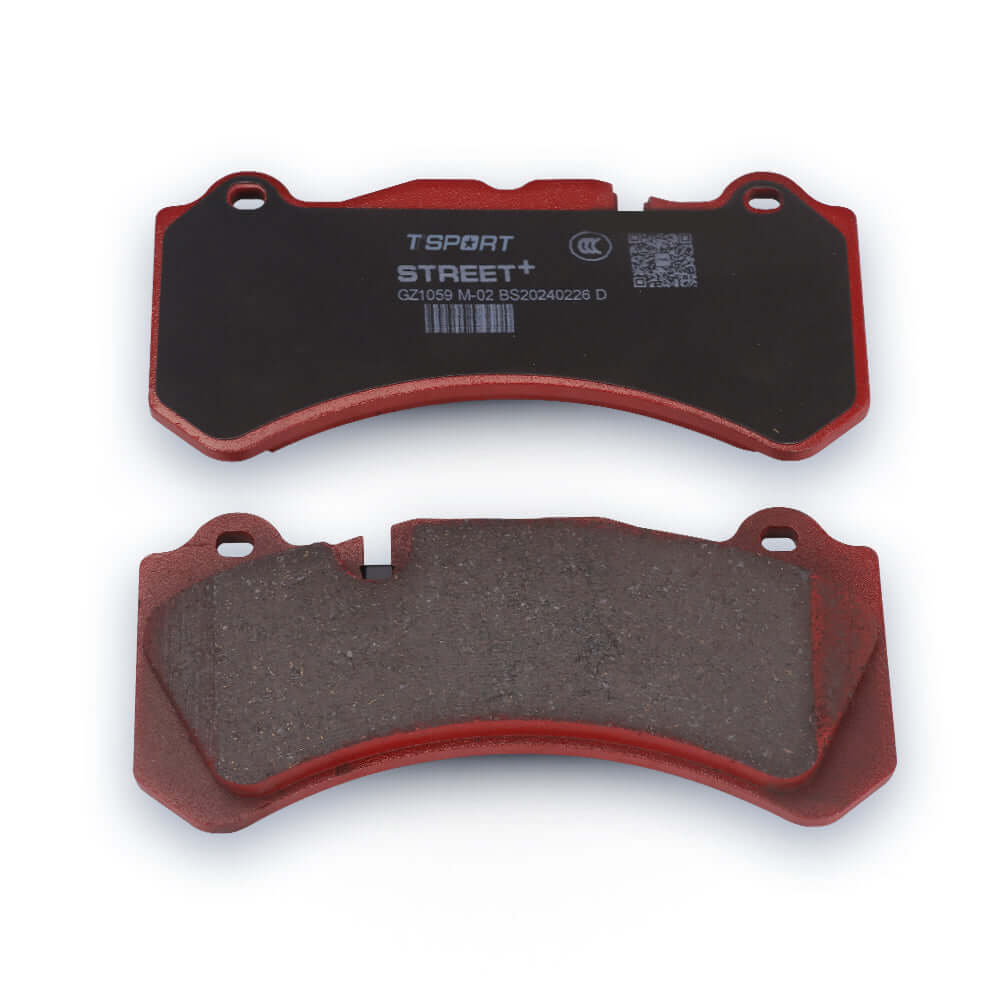
ブレーキパッド · M-02コンパウンド · ストリートパフォーマンス
TTSPORT M-02は、日常のドライバー向けに調整されたセラミック樹脂製のストリートパフォーマンスブレーキパッドで、自信を持って停止でき、ホイールダストが少なく、静粛性に優れ、スポーティな山道走行でもブレーキの効きが落ちません。
パッド交換時にキャリパーピストン、ダストブーツ、ガイドピン、ブレーキラインを点検してください。
ストリート用コンパウンド: M-02は、低ダスト、低ノイズ、ローターに優しい摩耗、日常の快適性を追求しています。トラック、タイムアタック、または繰り返し高速度ブレーキには、より高温に対応したTTSPORTコンパウンドを選択してください。
| ブレーキパッドコンパウンド | |
|---|---|
| シリーズ | MTシリーズ — ストリートパフォーマンス |
| コンパウンド | M-02セラミック樹脂ストリートコンパウンド |
| 商品タイプ | ブレーキパッド / 摩擦コンパウンド |
| 用途 | 日常運転、通勤、スポーティな街乗り |
| ダストレベル | 低 |
| ノイズレベル | 低 |
| ローター摩耗 | 低 / ローターに優しい |
| 温度範囲 | ストリート運転温度範囲 |
| 推奨ローター | 純正または純正スタイルの鋳鉄ローター |
| 対象外 | トラック日、タイムアタック、オートクロス、HPDE、高速ブレーキの繰り返し、またはカーボンセラミックローター(TTSPORTが別途確認した場合を除く) |
| ベッドイン | 最良の性能と静粛性のために必要 |
この商品ページはブレーキパッドのみを説明しています。キャリパー、ブレーキローター、ブレーキホース、ブレーキフルード、ブラケット、ローターハット、ウォースセンサー、取り付けハードウェアは含まれていません(別途指定がある場合を除く)。
最初のブレーキから予測可能な反応、都市や高速道路での使用に合わせて調整されたペダルフィール。
低ダスト・低ノイズの特性により、アグレッシブな金属系やレース用コンパウンドよりも日常の運転に適しています。
信頼できる制動力で、街道走行や山道走行も安心。ストリート向けの温度範囲内で動作します。
持続的なトラック熱には設計されていません。繰り返しの高速ブレーキは、コンパウンドの想定範囲を超える可能性があります。
適切なベッドインは摩擦材の均一な層をローターに転写し、完全な性能と静粛性を得るために必要です。
ベッドインを省略すると、キーキー音や不均一な伝達層、ペダルフィールの不安定さの最も一般的な原因となります。
安全性: ブレーキパッドの取り付けは資格を持つ技術者によって行われるべきです。運転前にパッドの形状、ローターの素材、キャリパーの適合性、ブレーキシステムの状態を確認してください。
ストリートとトラックの両方を使う場合、M-02は快適性に偏りすぎている可能性があります。静かな日常使用とホイールの清潔さを重視するならM-02を、HPDEやタイムアタック、繰り返し高速度ブレーキにはより高温対応のTTSPORTコンパウンドを選んでください。
はい。セラミックストリートコンパウンドは、一般的な純正半金属パッドよりも目に見えるダストが少なく、洗車間もホイールがきれいに保たれます。
No. M-02はストリート温度向けに設計されています。トラック、オートクロス、HPDE、または繰り返し高速度ブレーキを行う場合は、持続的な熱に対応したTTSPORTの高温度用コンパウンドを選択してください。
必ずしもそうではありません。M-02は、良好な状態の純正または純正スタイルの鋳鉄ローターと良く機能します。既存のローターに傷、歪み、グレーズ、ひび割れ、または最小厚さ未満の場合は、新しいパッドを取り付ける前に交換または整備してください。
M-02は静粛性の高いストリート運転向けに調整されています。ベッドイン手順に従い、パッド接触面を清掃し、適切なトルクで締め付けたハードウェアを使用することで、キー音の発生を最小限に抑えることができます。
上記の手順を用いて約10〜15分のコントロールされた運転を計画してください。最初の数回の運転中は、急ブレーキや熱いパッドの上で車両を停止させることを避けてください。
M-02は純正または純正スタイルの鋳鉄ローター向けに設計されています。カーボンセラミックローターには、TTSPORTがその特定のローターとキャリパーセットアップとの互換性を確認しない限り、使用しないでください。
車両情報、キャリパーモデル、ロータータイプ、パッド形状、運転用途をお知らせください。TTSPORTがあなたのセットアップに適したストリートブレーキパッドコンパウンドかどうかを確認します。
Brake Pads · Compound Selection · Bedding · Care Guide
Brake pads are not universal wear parts. Pad shape, compound, rotor material, caliper type, temperature window, noise tolerance, dust expectation, and driving use all matter. The right pad should match how the vehicle is actually driven, not just what fits inside the caliper.
This guide explains how to choose, install, bed in, and inspect TTSPORT brake pads so the compound works as intended.
Start with the exact vehicle and brake setup. A pad can look close and still have the wrong backing plate, thickness, sensor slot, or compound for the rotor material.
Do not order brake pads by vehicle name alone if the car has a big brake kit, swapped calipers, aftermarket rotors, or carbon ceramic brakes.
Be honest about the use case. A quiet daily pad and a track pad solve different problems. Choosing too aggressive a compound for street use can create noise, dust, poor cold bite, and unnecessary rotor wear. Choosing too mild a compound for track use can cause fade, glazing, and unstable pedal feel.
Prioritize cold bite, low noise, low dust, smooth release, and rotor-friendly wear. Ceramic or comfort-focused street compounds are usually the best fit.
Choose a compound with stronger bite and better heat tolerance while still keeping acceptable dust, noise, and cold-stop behavior.
Use a high-temperature compound designed for repeated hard braking. Expect more noise, dust, pad wear, and rotor wear.
Select based on surface, vehicle weight, tire grip, brake cooling, stint length, and whether consistent release or high initial bite matters more.
Pads and rotors work as a friction pair. The wrong pad can create poor bite, high wear, noise, uneven deposits, or rotor damage.
Important: Carbon ceramic rotors require compatible pad compounds and correct bedding. The wrong pad can damage the friction surface and reduce braking performance.
Every brake pad compound has a working temperature range. Street compounds are designed to work from cold and stay quiet during normal road use. Track compounds are designed to stay stable at higher temperatures, but may feel weak, noisy, or abrasive when cold.
Use the specific TTSPORT compound data for the final decision. Temperature range, friction coefficient, dust, noise, and rotor wear vary by compound.
Friction coefficient, often shown as μ, describes how strongly the pad grips the rotor under defined test conditions. Higher μ usually means stronger bite, but not automatically better street behavior.
Good for track, time attack, and late braking. Can feel grabby or noisy on the street.
Best for daily and performance street use where smooth modulation and predictable release matter.
Some compounds build bite as heat increases. Good for hard driving, but the driver must manage pedal pressure carefully.
Useful for trail braking, low-speed control, wet roads, off-road work, and mixed driving conditions.
There is no free compound. Higher heat capacity and stronger bite usually come with more dust, more noise, faster pad wear, or faster rotor wear. Low-dust, quiet pads are better for comfort but are not built for sustained track heat.
Brake pad installation should begin with inspection. New pads will not fix a damaged rotor, sticking caliper, seized guide pin, or contaminated brake system.
Safety: Brake pad installation should be completed by a qualified technician. Confirm pad fitment, rotor material, caliper condition, and brake-system safety before driving.
Bedding is required for stable bite, quiet operation, and consistent pedal feel. It creates a controlled transfer layer between the pad and rotor. Follow the exact TTSPORT compound procedure when supplied.
Street pads, race pads, and carbon ceramic pads may require different bedding methods. Do not use one generic bedding process for every compound.
Brake pads may continue to settle after the first bedding cycle. Pedal feel, dust output, and minor noise can change during the first drives.
Brake pads should be inspected regularly, especially after hard driving, mountain roads, towing, track use, winter salt exposure, or off-road use.
Do not continue driving if the brake system shows any of the following symptoms. Inspect the system or contact a qualified brake technician before using the vehicle again.
Send your vehicle details, caliper model, rotor material, pad shape, driving use, and any symptoms you notice. TTSPORT will help confirm the correct brake pad compound and care path for your setup.
購読ありがとうございます!
このメールアドレスは登録されました!