




リアアクスルバイアスコントロール
安定したトレイルブレーキング、コーナー進入挙動、リアブレーキのバランスをサポートし、フロントアクスルを過剰に制御しないよう設計されています。

メール:sales@ttsport-racing.com
Currency
 AED
AED
 AFN
AFN
 ALL
ALL
 AMD
AMD
 ANG
ANG
 AUD
AUD
 AWG
AWG
 AZN
AZN
 BAM
BAM
 BBD
BBD
 BDT
BDT
 BIF
BIF
 BND
BND
 BOB
BOB
 BSD
BSD
 BWP
BWP
 BZD
BZD
 CAD
CAD
 CDF
CDF
 CHF
CHF
 CNY
CNY
 CRC
CRC
 CVE
CVE
 CZK
CZK
 DJF
DJF
 DKK
DKK
 DOP
DOP
 DZD
DZD
 EGP
EGP
 ETB
ETB
 EUR
EUR
 FJD
FJD
 FKP
FKP
 GBP
GBP
 GMD
GMD
 GNF
GNF
 GTQ
GTQ
 GYD
GYD
 HKD
HKD
 HNL
HNL
 HUF
HUF
 IDR
IDR
 ILS
ILS
 INR
INR
 ISK
ISK
 JMD
JMD
 JPY
JPY
 KES
KES
 KGS
KGS
 KHR
KHR
 KMF
KMF
 KRW
KRW
 KYD
KYD
 KZT
KZT
 LAK
LAK
 LBP
LBP
 LKR
LKR
 MAD
MAD
 MDL
MDL
 MKD
MKD
 MMK
MMK
 MNT
MNT
 MOP
MOP
 MUR
MUR
 MVR
MVR
 MWK
MWK
 MYR
MYR
 NGN
NGN
 NIO
NIO
 NPR
NPR
 NZD
NZD
 PEN
PEN
 PGK
PGK
 PHP
PHP
 PKR
PKR
 PLN
PLN
 PYG
PYG
 QAR
QAR
 RON
RON
 RSD
RSD
 RWF
RWF
 SAR
SAR
 SBD
SBD
 SEK
SEK
 SGD
SGD
 SHP
SHP
 SLL
SLL
 STD
STD
 THB
THB
 TJS
TJS
 TOP
TOP
 TTD
TTD
 TWD
TWD
 TZS
TZS
 UAH
UAH
 UGX
UGX
 USD
USD
 UYU
UYU
 UZS
UZS
 VND
VND
 VUV
VUV
 WST
WST
 XAF
XAF
 XCD
XOF
XPF
XCD
XOF
XPF
 YER
YER
レーシングシリーズ · サーキット · リアアクスル · 4ピストン
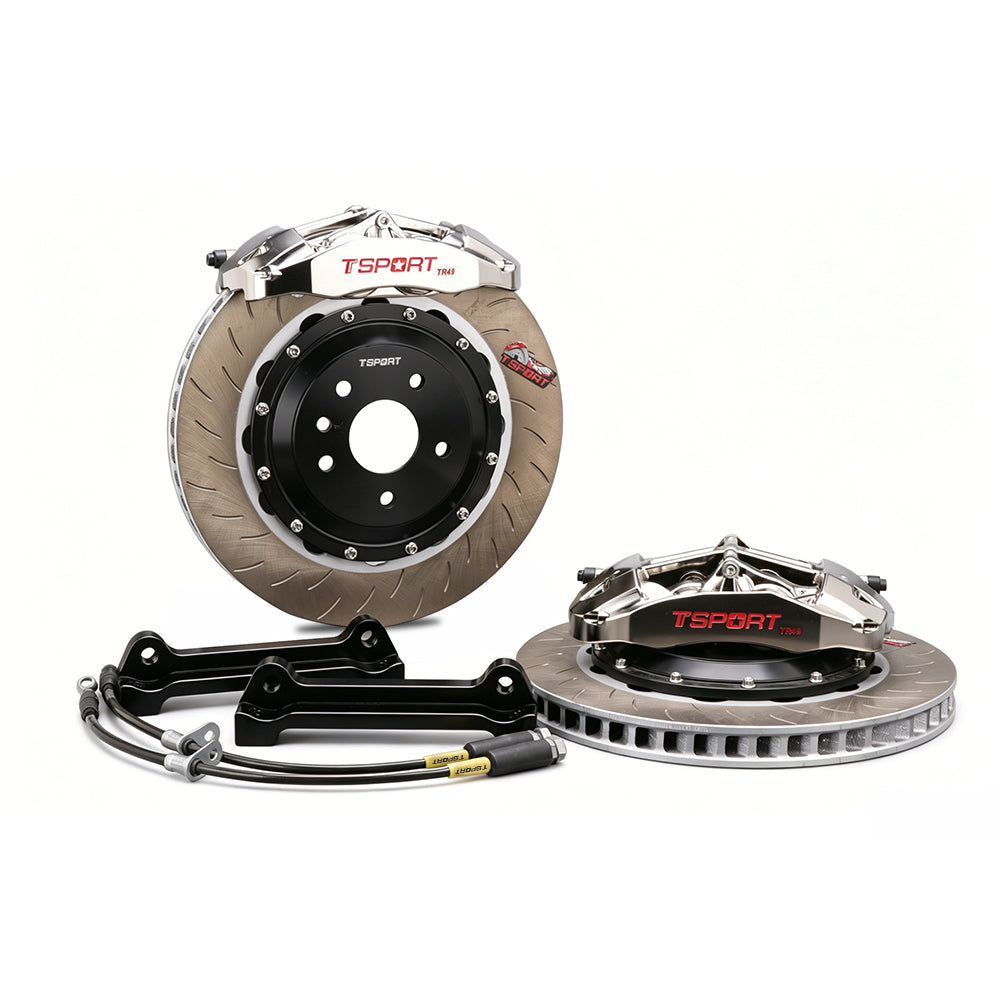
Circuit Racing TR49は、サーキット走行、タイムアタック、耐久レース向けに設計されたリアアクスル用4ピストンビッグブレーキキットです。モノブロック鍛造キャリパー、二ピースフローティングローター、レーシングパッドコンパウンドにより、一貫したペダルフィールと熱安定性をラップごとに提供します。
リアブレーキバランスは、トレイルブレーキングやコーナー進入時に車体の安定性を保つために重要です。TR49は28mmと34mmの段付ピストンを、合計ピストン面積30.80cm²と組み合わせて、前後のバイアスをコントロールしやすくし、フロントを過剰に制御しません。355mmまたは380mmのローターと組み合わせることで、スリックタイヤ、Rコンプ、ストリートタイヤに合わせて比例調整が可能です。
安定したトレイルブレーキング、コーナー進入挙動、リアブレーキのバランスをサポートし、フロントアクスルを過剰に制御しないよう設計されています。
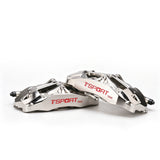
モノブロック鍛造アルミキャリパー、片側2.40kg、剛性と繰り返しペダル応答性を追求。
28mm×2および34mm×2のピストンレイアウトは、均一なパッド摩耗と段階的な制動をサポートします。
ダストブーツのないレーシングピストンは、高温環境に対応し、レース週末の迅速な点検を可能にします。
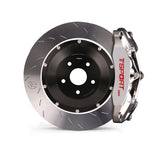
Ø355またはØ380mm×32mmの二ピース内ベントローター、方向性ベーン付き。
交換可能な鉄リング、トップアクセスパッド交換、オープンバックピストン、アクセスしやすいブリーダーにより、実際のピット作業をサポート。
| ブレーキキャリパー | ||
|---|---|---|
| シリーズ | レーシングシリーズ — サーキット | |
| モデル / 適用範囲 | TR49 | |
| アクスル位置 | リア | |
| ピストン数 | 4ピストン | |
| ピストンタイプ | ダストブーツなしのレース用ピストン | |
| ピストンダイヤー | 28mm×2 / 34mm×2 | |
| キャリパー寸法 | 258.8 mm × 157.7 mm × 75.2 mm | |
| 総ピストン面積 | キャリパーあたり30.80cm² | |
| 製造工程 | モノブロック鍛造アルミボディ | |
| 正味重量 | キャリパーあたり2.40kg、パッドなし | |
| 表面仕上げ | ニッケルメッキ仕上げ | |
| カスタムカラー | このキャリパーでは利用不可 | |
| 推奨ホイールサイズ | 18インチ以上 | |
| 推奨ローターサイズ | Ø355–380 mm × 32 mm | |
| ブレーキローターの選択肢 | ||
| ローターオプション | 標準 | オプションBレーシング |
| ローター素材 | 熱処理高炭素鋳鉄 | レースグレードの熱処理済み高炭素鋳鉄 |
| アクスル位置 | リア | リア |
| ローター寸法 | Ø355 / 380 mm × 32 mm | Ø355 / 380 mm × 32 mm |
| 構造 | 二ピースローターアセンブリ | 二ピースローターアセンブリ |
| 通気 | 内部通気 | 内部通気 |
| ローター ハット | 用途別合金ローターハット | 用途別合金ローターハット |
| ローター取り付け | 固定式または浮動式、サイズと用途による | 固定式または浮動式、サイズと用途による |
| 方向性デザイン | はい — 左右専用 | はい — 左右専用 |
| ローターフェースパターン | カーブスロット / グレインスロット / ウェーブスロット / ドリルド&スロット | ウェーブスロット |
| ブレーキパッドの選択肢 | ||
| パッドオプション | 標準 | オプションBレーシング |
| 対応ローター素材 | 鉄 / スチールローターのみ | 鉄 / スチールローターのみ |
| 動作温度範囲 | 0–600 °C | 0–750 °C |
| 平均摩擦係数 | μ ≈ 0.38、温度、圧力、ローターにより変動 | μ ≈ 0.45、温度、圧力、ローターにより変動 |
| 最適用途 | HPDE、オートクロス、アグレッシブなストリート使用 | サーキットや耐久レースでの長時間走行時に熱吸収が制約となる場合に適しています。 |
| ライン、ブラケット&サービス | ||
| ブレーキライン構造 | 三層補強 | |
| ブレーキライン素材 | PTFE内層 / SUS304ステンレスブレード / PVC外被 | |
| キャリパーマウントタイプ | 車両固有のキャリパーブラケットを用いたラジアルマウント | |
| キャリパーブラケット | 車両専用キャリパーブラケット | |
| ブレーキラインフィッティングタイプ | 車両専用; キャリパー側とシャーシ側のフィッティングは適用により異なる | |
| ベッディングイン手順 | サーキット使用前に必要 | |
リアパッドは通常、フロントより半段階柔らかくまたは低温のものを選び、ブレーキ時の安定した回転を維持します。Option Bのリアパッドは、同等または高温対応のフロントパッドと組み合わせて車両のバランスを保ちます。
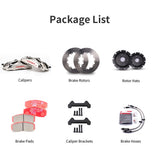
TR49リアモノブロック鍛造4ピストンキャリパー×2、ニッケルメッキ仕上げ。
リアキャリパー用ブレーキパッド、標準化合物(0–600°C)またはオプションBレーシングコンパウンド(0–750°C)から選択。
左右専用の二ピース内部ベントリアローター、Ø355またはØ380 mm × 32 mm
正しいリアキャリパー位置決めのための車両専用ラジアルキャリパーブラケット
リアハブ位置とローターオフセットに合わせたアプリケーション特定の合金ローターハット。
三層ステンレススチール製ブリーザブルリアブレーキライン、PTFE内張り、SUS304ブレード、PVC外被。
すべてのTR49リアサーキットレーシングシステムは、車両のリアナックル、ハブ位置、ローターハットオフセット、ホイールバレル、スポーククリアランス、ブレーキラインルーティング、パーキングブレーキの有無、フロントからリアへのブレーキバランスを考慮して設計されています。目的は汎用性の高いユニバーサルフィットではなく、シャーシジオメトリに適合し、トレイルブレーキング、コーナー進入、長時間走行時に繰り返し安定したペダル挙動を提供するリアブレーキパッケージです。
シャーシ、リアサスペンション、ナックル設定、競技用途、目標とするリアブレーキ挙動、フロントブレーキの組み合わせ、ホイールパッケージ、タイヤコンパウンド、ABS / プロポーショニング戦略、パーキングブレーキ要件、OEMまたはカスタムリアアップライトの使用状況をレビューします。
OEMナックルの場合は、車両情報、ホイール仕様、ホイールオフセット、スポーククリアランスデータを提供してください。カスタムナックル、モータースポーツハブ変換、非OEMローターオフセットの場合は、CADファイル、図面、ハブフェースデータ、ローター取り付け寸法、正確なブラケット取り付けポイントの測定値を提供してください。
TTSPORTは提出されたデータをレビューし、キャリパークリアランス、車両固有のキャリパーブラケットジオメトリ、ロータハットオフセット、パーキングブレーキのアプローチ、ブレーキラインルーティングを確認し、製造前に承認します。
ホイール、リアナックル、ローターオフセット、パーキングブレーキのレイアウト、またはブレーキラインのルーティングが適しているか不明な場合は、 お知らせください ご注文前にエンジニアリングチームに詳細を確認してください。
このキットは18インチ以上のホイールが必要です。クリアランスはホイールのオフセットやスポークの形状にも依存します。ご注文時にホイールの仕様を送信してください。出荷前に確認します。
はい。リアのみのアップグレードは制動バイアスを後方にシフトさせ、不安定になることがあります。TR49を車両に適したサイズのフロントキットと組み合わせて、ブレーキバランスを正しく保ちましょう。
Ø355mmは軽量でホイールに優しい選択肢で、多くのリアセットアップに適しています。Ø380mmは耐熱性を高め、長距離走行や後輪に負荷のかかる重い車両に適しています。
はい。適切なベッディング手順を行う必要があります。これによりパッド素材がローター面に均一に転写され、ジャダーや不均一な堆積、パッド寿命の短縮を防ぎます。
TR49はニッケルメッキ仕上げで出荷されます。カスタムカラーや陽極酸化処理は対応していません。
TR49はサービスブレーキ用キャリパーです。車両によっては、リアの駐車ブレーキをドラムインハットローターや別の電子ブレーキキャリパーで保持する場合があります。お車に合わせて当社にご確認ください。
車両とホイールの詳細を送信してください。適切なローターサイズ、パッドコンパウンド、ローターハットのオフセット、ブラケットパッケージをお見積もりします。
Brake Kits · Fitment · Installation · Care Guide
A brake kit is not just a pair of larger calipers. Calipers, rotors, pads, hoses, brackets, rotor hats, mounting hardware, brake fluid, wheel clearance, and bedding procedure all work together as one system.
This guide explains how to confirm the right TTSPORT brake kit before ordering, what to check before installation, and how to care for the system after installation.
Do not order a brake kit by vehicle name alone. The correct kit depends on the vehicle, axle position, wheel package, driving use, and brake system layout.
Brake kits are application-specific. A visually similar kit can still have the wrong rotor offset, bracket geometry, hose fitting, caliper position, or wheel clearance requirement.
Different TTSPORT brake kit series use different hardware layouts. Always confirm what the kit includes before purchase.
Use direct-mount calipers and one-piece rotors where specified. These kits do not use rotor hats or caliper brackets unless the final product page clearly states otherwise.
Use separate friction rings and rotor hats. Hat offset, ring bolt pattern, hardware style, and rotor direction must be matched correctly.
May require bespoke brackets, rotor hats, brake lines, and engineering confirmation based on knuckle, hub, wheel, and competition use.
Require extra attention to wheel clearance, tire size, vehicle load, descent control, hose routing, and dust / water exposure.
Do not assume every brake kit includes the same parts. Package contents vary by product series, vehicle application, and final order configuration.
Before finalizing the order, review the kit specification carefully. Confirm the brake kit is matched to your vehicle and wheel setup, not only to the model name.
If any part is not listed in the final order or product page, do not assume it is included.
Inspect every component before installation. Do not modify, grind, drill, stretch, force, or space brake kit components to make them fit.
Safety: Brake kits affect braking force, hydraulic sealing, heat control, wheel clearance, and vehicle stability. Do not install the kit if fitment, torque, direction, clearance, or compatibility is unclear.
Correct installation is as important as the brake kit itself. A properly engineered kit can still perform poorly if installed with dirty mounting faces, incorrect torque, poor hose routing, or trapped air in the hydraulic system.
Verify caliper centering over the rotor and confirm even pad sweep across the friction surface.
Confirm left / right rotor direction if the rotor uses directional vanes or directional face pattern.
Check brake hose length and routing at full steering lock and full suspension travel. No twisting, rubbing, stretching, or kinking.
Check caliper-to-spoke and caliper-to-barrel clearance before road use. Wheel diameter alone is not enough.
Use the correct brake fluid type and bleed the system until pedal feel is firm and consistent.
Torque all brake hardware to the specified value. Do not reuse damaged, unknown, stretched, or corroded safety-critical fasteners.
Brake pads and rotors need a controlled bedding process before full performance is available. Bedding helps create an even transfer layer on the rotor surface, improving bite, pedal consistency, and vibration resistance.
Street pads, race pads, iron rotors, two-piece rotors, and carbon ceramic rotors may require different bedding procedures. Use the procedure supplied with the specific kit.
After installation and bedding, give the system a short break-in period before aggressive use. Pedal feel, pad contact, dust output, and noise may continue to settle after the first drives.
Brake kits need regular inspection, especially after track use, off-road use, towing, mountain driving, winter salt exposure, or any brake service.
Inspect pads, rotors, fluid level, and hose condition during normal service intervals. Prioritize quiet operation, smooth pedal feel, and even wear.
Check pad thickness, rotor surface condition, and fluid condition more often. Long descents create sustained heat even without track use.
Inspect for mud, sand, stone impact, hose abrasion, dust boot damage, and caliper contamination after trail use.
Inspect pads, rotors, fluid, and hardware before and after every event. Track heat shortens service intervals.
Check rear brake temperature, hydraulic handbrake behavior, pad wear, rotor cracking, and hardware condition frequently.
Use only compatible pads and approved bedding procedures. Inspect rotor surface condition carefully and avoid incompatible friction materials.
Do not continue driving if the brake system shows any of the following symptoms. Inspect the system or contact a qualified brake technician before using the vehicle again.
Send your vehicle details, brake kit series, wheel specs, driving use, photos, and any symptoms you notice. TTSPORT will help confirm fitment, installation checks, and the correct care path for your brake kit.
購読ありがとうございます!
このメールアドレスは登録されました!