
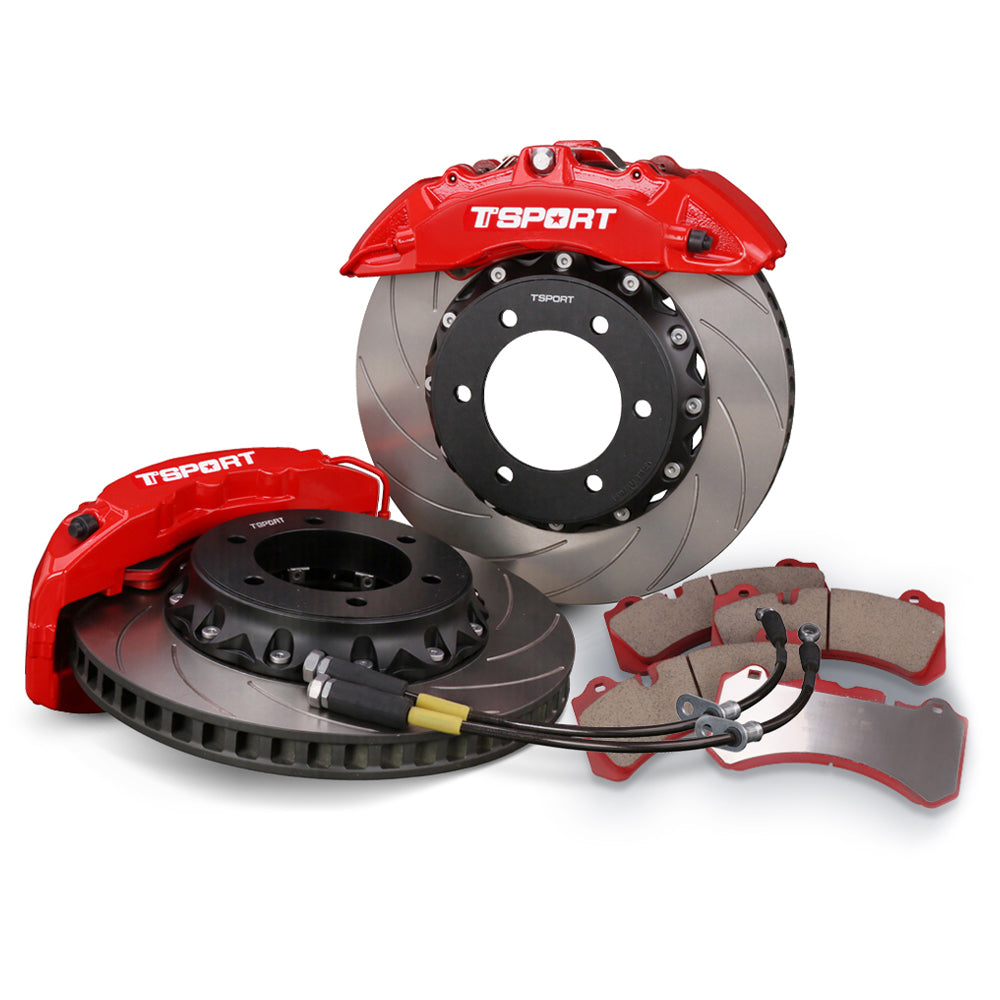


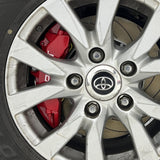


ダイレクトマウントフロント取り付け
トヨタランドクルーザー200 / LC200 / J200およびレクサスLX570のフロントアクスルに特化したダイレクトマウント構成。

メール:sales@ttsport-racing.com
Currency
 AED
AED
 AFN
AFN
 ALL
ALL
 AMD
AMD
 ANG
ANG
 AUD
AUD
 AWG
AWG
 AZN
AZN
 BAM
BAM
 BBD
BBD
 BDT
BDT
 BIF
BIF
 BND
BND
 BOB
BOB
 BSD
BSD
 BWP
BWP
 BZD
BZD
 CAD
CAD
 CDF
CDF
 CHF
CHF
 CNY
CNY
 CRC
CRC
 CVE
CVE
 CZK
CZK
 DJF
DJF
 DKK
DKK
 DOP
DOP
 DZD
DZD
 EGP
EGP
 ETB
ETB
 EUR
EUR
 FJD
FJD
 FKP
FKP
 GBP
GBP
 GMD
GMD
 GNF
GNF
 GTQ
GTQ
 GYD
GYD
 HKD
HKD
 HNL
HNL
 HUF
HUF
 IDR
IDR
 ILS
ILS
 INR
INR
 ISK
ISK
 JMD
JMD
 JPY
JPY
 KES
KES
 KGS
KGS
 KHR
KHR
 KMF
KMF
 KRW
KRW
 KYD
KYD
 KZT
KZT
 LAK
LAK
 LBP
LBP
 LKR
LKR
 MAD
MAD
 MDL
MDL
 MKD
MKD
 MMK
MMK
 MNT
MNT
 MOP
MOP
 MUR
MUR
 MVR
MVR
 MWK
MWK
 MYR
MYR
 NGN
NGN
 NIO
NIO
 NPR
NPR
 NZD
NZD
 PEN
PEN
 PGK
PGK
 PHP
PHP
 PKR
PKR
 PLN
PLN
 PYG
PYG
 QAR
QAR
 RON
RON
 RSD
RSD
 RWF
RWF
 SAR
SAR
 SBD
SBD
 SEK
SEK
 SGD
SGD
 SHP
SHP
 SLL
SLL
 STD
STD
 THB
THB
 TJS
TJS
 TOP
TOP
 TTD
TTD
 TWD
TWD
 TZS
TZS
 UAH
UAH
 UGX
UGX
 USD
USD
 UYU
UYU
 UZS
UZS
 VND
VND
 VUV
VUV
 WST
WST
 XAF
XAF
 XCD
XOF
XPF
XCD
XOF
XPF
 YER
YER
ダイレクトマウントシリーズ · フロントアクスル · 6ピストン
TTSPORT AR6ダイレクトマウントシリーズフロントビッグブレーキキットは、牽引、積載量、大型タイヤ、アーマー、ルーフ荷重、繰り返しの下り坂走行に対応するために設計されたトヨタランドクルーザー200 / LC200 / J200およびレクサスLX570のフロントアクスル用です。鍛造6ピストンキャリパーとØ362 mm × 32 mmの二ピースフロントローターアセンブリ、ステンレススチール製ブリーザブルライン、車両専用フィッティングを組み合わせ、確実で予測可能なペダルレスポンスを実現します。
大型タイヤ、スチールバンパー、引き出し、ルーフギア、トレーラー、リカバリー装備を装着した重いボディオンフレームSUVは、フロントアクスルのブレーキ負荷が非常に高くなります。AR6はキャリパーの剛性、ピストン面積、ローター径、熱容量を向上させつつ、システムをダイレクトマウントかつ車両専用に保ちます。
トヨタランドクルーザー200 / LC200 / J200およびレクサスLX570のフロントアクスルに特化したダイレクトマウント構成。
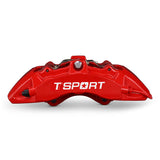
30 mm × 2 / 34 mm × 2 / 38 mm × 2の熱絶縁ピストンとダストブーツを備えた二ピース鍛造アルミボディ。
キャリパーあたり55.0 cm²のピストン総面積により、重いフロント軸ブレーキ負荷に対して制御されたクランプ力を提供します。
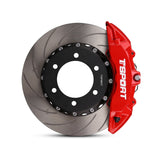
固定マウント、方向性デザイン、曲線スロットフェースパターンを備えたØ362 mm × 32 mmの内部ベントフロントローターアセンブリー。
AR6は17インチ以上のホイールと、前キャリパーまでの少なくとも102 mmのスポーククリアランスを必要とします。
PTFEインナーライナー、SUS304ステンレススチールブレード、PVC保護外皮により、ブレーキ負荷時のホースの膨張を抑制します。
| ブレーキキャリパー | |
|---|---|
| シリーズ | ダイレクトマウントシリーズ |
| モデル / 適用範囲 | AR6 |
| アクスル位置 | フロント |
| ピストン数 | 6ピストン |
| ピストンタイプ | ダストブーツ付き二ピース熱絶縁ピストン |
| ピストンダイヤー | 30 mm × 2 / 34 mm × 2 / 38 mm × 2 |
| キャリパー寸法 | L 330 mm × W 167 mm × H 128 mm |
| 総ピストン面積 | キャリパーあたり55.0 cm²、全ピストン合計 |
| 製造工程 | 二ピース鍛造アルミボディ |
| 正味重量 | キャリパー1つあたり4.45 kg(パッドなし) |
| 表面仕上げ | 高温グロスコーティング |
| 推奨ホイールサイズ | 17インチ以上 |
| 推奨ローターサイズ | Ø362 mm × 32 mm |
| ブレーキローター | |
| ローター素材 | 熱処理高炭素鋳鉄 |
| アクスル位置 | フロント |
| この用途のローター寸法 | Ø362 mm × 32 mm |
| 構造 | 二ピースローターアセンブリ |
| 通気 | 内部通気 |
| ローター取り付け | 固定 |
| 方向性デザイン | はい — 左右専用 |
| ローターフェースパターン | カーブスロット |
| ブレーキパッド | |
| 対応ローター素材 | 鉄 / スチールローターのみ |
| 動作温度範囲 | 0–600 °C |
| 平均摩擦係数 | 平均μ:0.38;温度、ライン圧、ローター状態により変動 |
| ライン | |
| ブレーキライン構造 | 三層補強構造 |
| ブレーキライン素材 | PTFE内層 / SUS304ステンレススチールブレード / PVC保護外皮 |
| ブレーキラインフィッティング | 車両固有のフィッティング; キャリパー側とシャーシ側のフィッティングは適用により異なります |
| 車両適用範囲とローターマッピング | |
| 2008-2021年トヨタランドクルーザ200 / LC200 / J200 | フロント · Ø362 mm × 32 mm |
| 2008-2021年レクサスLX570 | フロント · Ø362 mm × 32 mm |
| 適合と取り付け | |
| 主要車両適用範囲 | 2008-2021年トヨタランドクルーザー200 / LC200 / J200 · 2008-2021年レクサスLX570 |
| モデルイヤー | トヨタLC200:2008-2021年 · レクサスLX570:2008-2021年 |
| アクスル | フロント |
| キャリパーマウントタイプ | ダイレクトマウント |
| 最小ホイールサイズ | 17インチ以上 |
| 最小スポーククリアランス | 102 mm |
| ブレーキラインフィッティングタイプ | 車両固有のフィッティング; キャリパー側とシャーシ側のフィッティングは適用により異なります |
| 注文確認 | 注文前に、モデル年、トリム、フロントブレーキハードウェア、ホイール径、スポーククリアランス、ブレーキラインフィッティングスタイルを確認してください。 |
| ベッディングイン手順 | 必要 |
トヨタLC200およびレクサスLX570の場合、正しいAR6フロントローター仕様はØ362 mm × 32 mmで、二ピースローターアセンブリです。17インチ以上のホイール、最小102 mmのスポーククリアランス、ブレーキラインフィッティングの互換性を確認してください。
2 × AR6 6ピストン鍛造アルミニウムフロントキャリパー(左右専用)。
フロントキャリパー用ブレーキパッド、0–600°C対応、鉄/鋼ローター用。
2 × Ø362 mm × 32 mmの二ピースフロントローターアセンブリ、内部ベント、カーブスロット、左右専用。
PTFEインナライナー、SUS304ブレード、PVC保護外シース付きの三層ステンレス鋼ブレーブ brakeライン2本(車両専用フィッティング付き)。
トヨタ LC200 / レクサス LX570用の車両専用ダイレクトマウントハードウェア。
AR6はダイレクトマウントフロントキットです。この構成ではキャリパーブラケットは使用しません。ローターは二ピースローターアセンブリとして供給され、一体型ローターではありません。
AR6は17インチ以上のホイールと少なくとも102 mmのスポーククリアランスが必要です。ホイール径だけでは不十分で、スポーク形状、オフセット、スペーサーの使用、インナーバレルのプロファイルも確認してください。

17インチ以上のホイールが必要です。

最小スポーククリアランス:102 mm。注文前にスポーク形状、オフセット、スペーサーの使用、インナーバレルのプロファイルを確認してください。

適用車種:2008-2021年トヨタランドクルーザー200 / LC200 / J200および2008-2021年レクサスLX570、フロントアクスル、Ø362 mm × 32 mmローター仕様。
注文前にモデル年、トリム、フロントブレーキハードウェアの写真、ホイール仕様、使用ケースを送信してください。TTSPORTが適合性を確認します。
はい。このAR6ダイレクトマウントフロントキットは、2008-2021年のトヨタランドクルーザー200 / LC200 / J200および2008-2021年のレクサスLX570に対応しています。正しいフロントローター仕様はØ362 mm × 32 mmです。
Ø362mm×32mmの二ピース、内部ベント、ダイレクショナルな前ローターアセンブリを使用したフロントアクスルキットです。曲線スロットフェースパターンを備えています。
17インチ以上のホイールが必要で、前キャリパーに対して最低102mmのスポーククリアランスが必要です。ホイール径だけでは不十分で、スポークの形状、オフセット、スペーサーの使用、インナーバレルのプロフィールも注文前に確認してください。
AR6はØ362mm×32mmの二ピース前ローターアセンブリを使用しています。この用途を一体式ローターとして記述しないでください。
いいえ。これはダイレクトマウントシリーズのAR6で、ダイレクトマウント前キャリパーと車両専用の前取り付けジオメトリを備えています。この構成ではキャリパーブラケットは使用されません。
はい。付属のパッドは0~600°Cで動作し、平均μは0.38であり、ストリート走行、牽引、積載SUVの鉄または鋼のローターに適しています。
はい。パッドの材料をローター面に均一に転写し、安定した制動性能を得るために適切なベッディング手順が必要です。
フロントの適合確認、ホイールクリアランスの確認、またはフロント+リアのブレーキセットのマッチングが必要ですか?
Brake Kits · Fitment · Installation · Care Guide
A brake kit is not just a pair of larger calipers. Calipers, rotors, pads, hoses, brackets, rotor hats, mounting hardware, brake fluid, wheel clearance, and bedding procedure all work together as one system.
This guide explains how to confirm the right TTSPORT brake kit before ordering, what to check before installation, and how to care for the system after installation.
Do not order a brake kit by vehicle name alone. The correct kit depends on the vehicle, axle position, wheel package, driving use, and brake system layout.
Brake kits are application-specific. A visually similar kit can still have the wrong rotor offset, bracket geometry, hose fitting, caliper position, or wheel clearance requirement.
Different TTSPORT brake kit series use different hardware layouts. Always confirm what the kit includes before purchase.
Use direct-mount calipers and one-piece rotors where specified. These kits do not use rotor hats or caliper brackets unless the final product page clearly states otherwise.
Use separate friction rings and rotor hats. Hat offset, ring bolt pattern, hardware style, and rotor direction must be matched correctly.
May require bespoke brackets, rotor hats, brake lines, and engineering confirmation based on knuckle, hub, wheel, and competition use.
Require extra attention to wheel clearance, tire size, vehicle load, descent control, hose routing, and dust / water exposure.
Do not assume every brake kit includes the same parts. Package contents vary by product series, vehicle application, and final order configuration.
Before finalizing the order, review the kit specification carefully. Confirm the brake kit is matched to your vehicle and wheel setup, not only to the model name.
If any part is not listed in the final order or product page, do not assume it is included.
Inspect every component before installation. Do not modify, grind, drill, stretch, force, or space brake kit components to make them fit.
Safety: Brake kits affect braking force, hydraulic sealing, heat control, wheel clearance, and vehicle stability. Do not install the kit if fitment, torque, direction, clearance, or compatibility is unclear.
Correct installation is as important as the brake kit itself. A properly engineered kit can still perform poorly if installed with dirty mounting faces, incorrect torque, poor hose routing, or trapped air in the hydraulic system.
Verify caliper centering over the rotor and confirm even pad sweep across the friction surface.
Confirm left / right rotor direction if the rotor uses directional vanes or directional face pattern.
Check brake hose length and routing at full steering lock and full suspension travel. No twisting, rubbing, stretching, or kinking.
Check caliper-to-spoke and caliper-to-barrel clearance before road use. Wheel diameter alone is not enough.
Use the correct brake fluid type and bleed the system until pedal feel is firm and consistent.
Torque all brake hardware to the specified value. Do not reuse damaged, unknown, stretched, or corroded safety-critical fasteners.
Brake pads and rotors need a controlled bedding process before full performance is available. Bedding helps create an even transfer layer on the rotor surface, improving bite, pedal consistency, and vibration resistance.
Street pads, race pads, iron rotors, two-piece rotors, and carbon ceramic rotors may require different bedding procedures. Use the procedure supplied with the specific kit.
After installation and bedding, give the system a short break-in period before aggressive use. Pedal feel, pad contact, dust output, and noise may continue to settle after the first drives.
Brake kits need regular inspection, especially after track use, off-road use, towing, mountain driving, winter salt exposure, or any brake service.
Inspect pads, rotors, fluid level, and hose condition during normal service intervals. Prioritize quiet operation, smooth pedal feel, and even wear.
Check pad thickness, rotor surface condition, and fluid condition more often. Long descents create sustained heat even without track use.
Inspect for mud, sand, stone impact, hose abrasion, dust boot damage, and caliper contamination after trail use.
Inspect pads, rotors, fluid, and hardware before and after every event. Track heat shortens service intervals.
Check rear brake temperature, hydraulic handbrake behavior, pad wear, rotor cracking, and hardware condition frequently.
Use only compatible pads and approved bedding procedures. Inspect rotor surface condition carefully and avoid incompatible friction materials.
Do not continue driving if the brake system shows any of the following symptoms. Inspect the system or contact a qualified brake technician before using the vehicle again.
Send your vehicle details, brake kit series, wheel specs, driving use, photos, and any symptoms you notice. TTSPORT will help confirm fitment, installation checks, and the correct care path for your brake kit.
購読ありがとうございます!
このメールアドレスは登録されました!