




คาลิปเปอร์โมโนบล็อกขึ้นรูป
ตัวถังอลูมิเนียมแบบชิ้นเดียวเพื่อความแข็งแรงสูงและลดการโก่งตัวภายใต้ภาระเพลาหลังที่หนัก

อีเมล: sales@ttsport-racing.com
สกุลเงิน
 AED
AED
 AFN
AFN
 ALL
ALL
 AMD
AMD
 ANG
ANG
 AUD
AUD
 AWG
AWG
 AZN
AZN
 BAM
BAM
 BBD
BBD
 BDT
BDT
 BIF
BIF
 BND
BND
 BOB
BOB
 BSD
BSD
 BWP
BWP
 BZD
BZD
 CAD
CAD
 CDF
CDF
 CHF
CHF
 CNY
CNY
 CRC
CRC
 CVE
CVE
 CZK
CZK
 DJF
DJF
 DKK
DKK
 DOP
DOP
 DZD
DZD
 EGP
EGP
 ETB
ETB
 EUR
EUR
 FJD
FJD
 FKP
FKP
 GBP
GBP
 GMD
GMD
 GNF
GNF
 GTQ
GTQ
 GYD
GYD
 HKD
HKD
 HNL
HNL
 HUF
HUF
 IDR
IDR
 ILS
ILS
 INR
INR
 ISK
ISK
 JMD
JMD
 JPY
JPY
 KES
KES
 KGS
KGS
 KHR
KHR
 KMF
KMF
 KRW
KRW
 KYD
KYD
 KZT
KZT
 LAK
LAK
 LBP
LBP
 LKR
LKR
 MAD
MAD
 MDL
MDL
 MKD
MKD
 MMK
MMK
 MNT
MNT
 MOP
MOP
 MUR
MUR
 MVR
MVR
 MWK
MWK
 MYR
MYR
 NGN
NGN
 NIO
NIO
 NPR
NPR
 NZD
NZD
 PEN
PEN
 PGK
PGK
 PHP
PHP
 PKR
PKR
 PLN
PLN
 PYG
PYG
 QAR
QAR
 RON
RON
 RSD
RSD
 RWF
RWF
 SAR
SAR
 SBD
SBD
 SEK
SEK
 SGD
SGD
 SHP
SHP
 SLL
SLL
 STD
STD
 THB
THB
 TJS
TJS
 TOP
TOP
 TTD
TTD
 TWD
TWD
 TZS
TZS
 UAH
UAH
 UGX
UGX
 USD
USD
 UYU
UYU
 UZS
UZS
 VND
VND
 VUV
VUV
 WST
WST
 XAF
XAF
 XCD
XOF
XPF
XCD
XOF
XPF
 YER
YER
ซีรีส์ Mono · เพลาหลัง · Monoblock Forged BBK
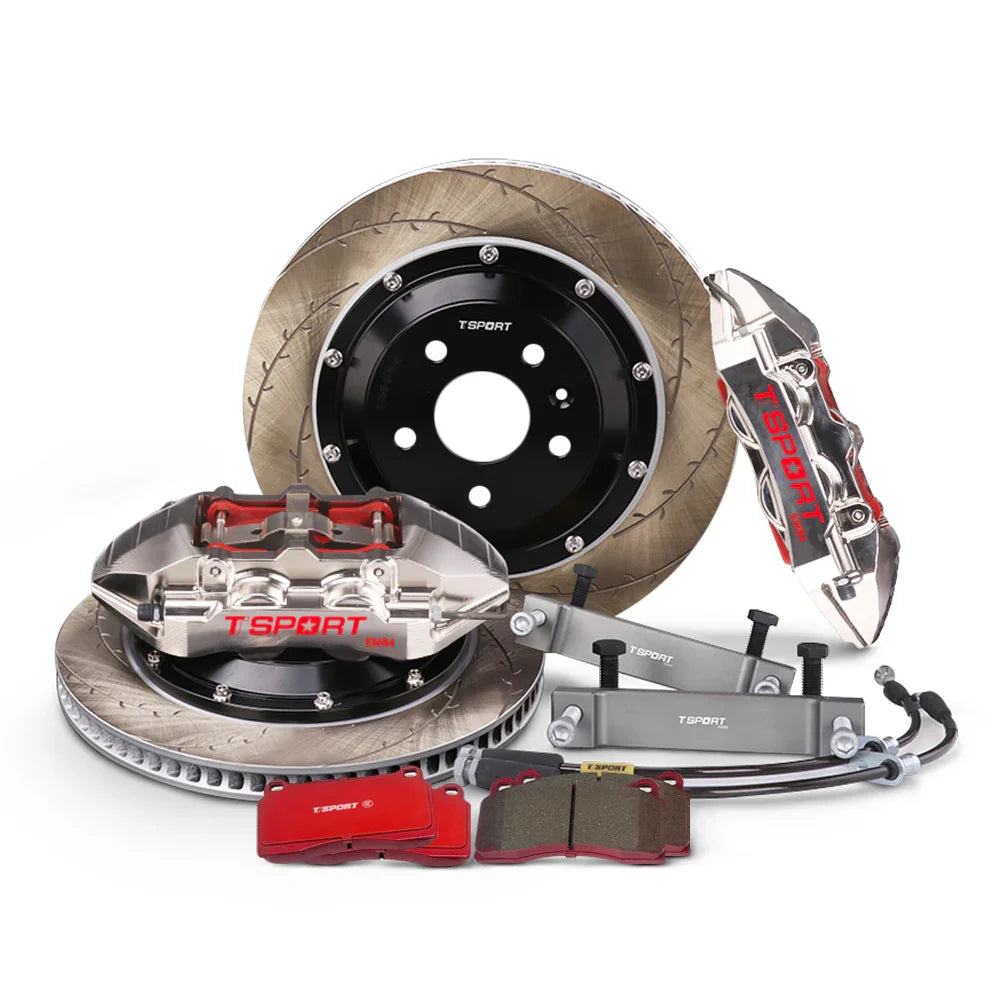
ชุดเบรกหลัง Mono EMB4 เป็นชุดเบรกใหญ่สำหรับเพลาหลัง ออกแบบเพื่อสมดุลกับการอัปเกรดด้านหน้า โดยให้แรงเบรกที่เสถียร การควบคุมคันเบรกที่สะอาด และแรงหยุดซ้ำได้ดี คาลิปเปอร์อลูมิเนียมแบบโมโนบล็อกที่ขึ้นรูปด้วยแรงกดสูง ขับเคลื่อนด้วยลูกสูบขนาด 30 มม. against จานเบรกแบบสองชิ้นขนาด 28 มม. ที่มีตัวเลือกเป็นเหล็กหรือคาร์บอน-เซรามิก เพื่อให้เข้ากับการสร้างของคุณ
ตัวถังอลูมิเนียมแบบชิ้นเดียวเพื่อความแข็งแรงสูงและลดการโก่งตัวภายใต้ภาระเพลาหลังที่หนัก
ลูกสูบ 4 ตัว ขนาด 30 มม. พื้นที่ลูกสูบรวม 28.3 ตร.ซม. ต่อคาลิปเปอร์ เพื่อการกระจายแรงกดบนผ้าเบรกอย่างสม่ำเสมอ
ลูกสูบแบบสองชิ้นช่วยลดการถ่ายเทความร้อนจากผ้าเบรกไปยังของเหลว ช่วยให้คันเบรกรู้สึกดีขึ้นในระหว่างการหยุดซ้ำๆ
มีขนาดเพื่อให้เข้ากับชุดเบรกหน้าใหญ่โดยไม่ทำให้เพลาหลังทำงานหนักเกินไป
เส้นผ่าศูนย์กลางจานเบรก 3 ขนาด และความสูงของล้อ 18 นิ้วขึ้นไป เพื่อความเข้ากันได้ในหลายรุ่น
| คาลิปเปอร์เบรก | ||
|---|---|---|
| ซีรีส์ | ซีรีส์ Mono | |
| รุ่น / การใช้งาน | EMB4 | |
| ตำแหน่งเพลาขับ | ด้านหลัง | |
| จำนวนลูกสูบ | 4 ลูกสูบ | |
| ประเภทลูกสูบ | ลูกสูบกันความร้อนแบบสองชิ้น ไม่มีฝาปิดกันฝุ่น | |
| เส้นผ่านศูนย์กลางลูกสูบ | 30 มม. × 4 | |
| พื้นที่ลูกสูบรวม | 28.3 ตร.ซม. ต่อคาลิปเปอร์ | |
| ขนาดคาลิปเปอร์ | กว้าง 268 × ยาว 164 × สูง 68 มม. | |
| กระบวนการผลิต | ตัวถังอะลูมิเนียมกลึงแบบโมโนบล็อก | |
| น้ำหนักสุทธิ | 2.55 กก. ต่อคาลิปเปอร์ โดยไม่รวมผ้าเบรก | |
| พื้นผิวเคลือบเงา | ชุบโ Nickel | |
| ขนาดล้อที่แนะนำ | 18 นิ้วขึ้นไปหรือใหญ่กว่า | |
| ขนาดโรเตอร์ที่แนะนำ | Ø345–380 มม. × 28 มม. | |
| ตัวเลือกดิสก์เบรก | ||
| ตัวเลือกโรเตอร์ | เหล็ก (ตัวเลือก A) | คาร์บอน-เซรามิก (ตัวเลือก B) |
| วัสดุโรเตอร์ | เหล็กหล่อโครเมียมสูงผ่านการอบความร้อน | คอมโพสิตคาร์บอน-เซรามิก |
| ตำแหน่งเพลาขับ | ด้านหลัง | ด้านหลัง |
| ขนาดโรเตอร์ | Ø345 / 355 / 380 มม. × 28 มม. | Ø380 มม. × 28 มม. |
| โครงสร้าง | ประกอบเป็นสองชิ้น | ประกอบเป็นสองชิ้น |
| การระบายอากาศ | ระบายอากาศภายใน | ระบายอากาศภายใน |
| การติดตั้งโรเตอร์ | แบบคงที่หรือแบบลอย ขึ้นอยู่กับขนาดและการใช้งานของจานเบรก | ลอย |
| ดีไซน์ทิศทาง | ใช่ — เฉพาะซ้าย/ขวา | ใช่ — เฉพาะซ้าย/ขวา |
| ลายบนพื้นผิวโรเตอร์ | ช่องทางแบบโค้ง / ช่องเกรน / ช่องคลื่น / เจาะและช่อง | เจาะรูตรง |
| ตัวเลือกผ้าเบรก | ||
| ตัวเลือกแผ่นเบรก | สำหรับจานเบรกเหล็ก | สำหรับโรเตอร์คาร์บอน-เซรามิก |
| วัสดุโรเตอร์ที่รองรับได้ | โรเตอร์เหล็ก / เหล็กเท่านั้น | เฉพาะโรเตอร์คาร์บอน-เซรามิก |
| ช่วงอุณหภูมิการทำงาน | 0–600 °C | 0–700 °C |
| ค่าเฉลี่ยค่าสัมประสิทธิ์แรงเสียดทาน | μ ≈ 0.38 | μ ≈ 0.45 |
| สายเบรก | ||
| โครงสร้างสายเบรก | โครงสร้างสามชั้น | |
| วัสดุสายเบรก | ชั้นใน PTFE / สายถักสแตนเลส SUS304 / เปลือก PVC | |
| หน้าที่ของสายเบรก | ลดการขยายตัวของสายเบรก ทำให้แป้นเบรกแข็งแรงขึ้น | |
| หัวต่อสายเบรก | เฉพาะสำหรับรถและด้านตัวถังที่กำหนด | |
| ขาแขวน | ||
| กระบวนการผลิตหมวกโรเตอร์ | กลึง CNC | |
| วัสดุหัวโรเตอร์ | อัลลอยด์อะลูมิเนียมความแข็งแรงสูง | |
| กระบวนการผลิตแร็คคาลิปเปอร์ | กลึง CNC | |
| วัสดุแร็คคาลิปเปอร์ | เหล็กกล้าคาร์บอน | |
| ประเภทการติดตั้งคาลิปเปอร์ | การติดตั้งแบบรัศมีพร้อม brackets สำหรับรถโดยเฉพาะ | |
| การติดตั้งและการปรับเข้ากัน | ||
| ระยะห่างของซี่ล้อขั้นต่ำ | 101 มม. | |
| ขนาดล้อที่แนะนำ | 18 นิ้วขึ้นไปหรือใหญ่กว่า | |
| การเลือกเส้นผ่านศูนย์กลางดิสก์ | 345, 355 หรือ 380 มม. เลือกตามการใช้งานของรถและระยะห่างของล้อ | |
| ขั้นตอนการเบรกเบดดิ้ง | จำเป็นต้องติดตั้งก่อนใช้งานขับขี่อย่างรุนแรง | |
แรงเสียดทานเปลี่ยนแปลงตามอุณหภูมิ ความดันในสายเบรก และสภาพจานเบรก ควรเลือกผ้าเบรกให้เหมาะสมกับวัสดุของจานเบรกเสมอ
คาลิปเปอร์หลัง EMB4 สองตัว
แผ่นผ้าเบรกที่ตรงกันสำหรับคาลิปเปอร์หลังทั้งสองตัว
โรเตอร์แบบสองชิ้นในขนาดและวัสดุที่คุณเลือก
Bracket สำหรับรถโดยเฉพาะทำจากคาร์บอนสตีล CNC
หมวกอลูมิเนียม CNC
สายเบรกถักสแตนเลส
ตรวจสอบระยะห่างภายในล้อ เส้นผ่าศูนย์กลางจานเบรก และการใช้งานของรถก่อนสั่งซื้อ ใช้แม่แบบที่ให้มาหรือสอบถามรายละเอียดล้อและรถของคุณกับเรา

ต้องใช้ล้อขนาด 18 นิ้วขึ้นไป

EMB4 ต้องการระยะห่างของแกนล้ออย่างน้อย 101 มม. โรเตอร์ขนาดใหญ่ขึ้นและการออกแบบล้อบางแบบอาจต้องการระยะห่างมากขึ้น

ตรวจสอบขนาดโรเตอร์, ความพร้อมของ bracket, อุปกรณ์เชื่อมต่อสายเบรก และการกระจายแรงเบรกด้านหลังของรถคุณก่อนสั่งซื้อ
ออกแบบมาเพื่อสมดุลระหว่างเบรกหน้าใหญ่และส่งมอบแรงเบรกด้านหลังที่สะอาด โดยไม่ทำให้ตัวถังรถเสียสมดุล
เฉพาะเพลาหลัง ออกแบบเพื่อสมดุลกับชุดเบรกหน้าใหญ่และให้แรงเบรกด้านหลังที่สะอาด โดยไม่ทำให้ตัวรถเสียสมดุล
จานเบรกเหล็กมีขนาด Ø345, 355 หรือ 380 มม. × 28 มม. คาร์บอน-เซรามิกมีขนาด Ø380 มม. × 28 มม. ทั้งหมดเป็นแบบสองชิ้น ระบายอากาศภายใน และทิศทางได้ดี
ล้อขนาด 18 นิ้วขึ้นไป พร้อมความสูงของช่องว่างระหว่างก้านอย่างน้อย 101 มม. จานเบรกขนาดใหญ่และดีไซน์ล้อบางรุ่นอาจต้องการพื้นที่ว่างมากขึ้น — ควรตรวจสอบกับแม่แบบการติดตั้ง
เบรกแผ่นเป็นชนิดเฉพาะของแต่ละคอมพาวด์ ใช้แผ่นเหล็ก/เหล็กกล้าบนดิสก์เบรกเหล็ก และแผ่นเบรก CCB สำหรับดิสก์เบรกคาร์บอน-เซรามิกเท่านั้น
เบรกคาลิปเปอร์หลัง EMB4 สองตัว ดิสก์เบรกแบบสองชิ้นในขนาดและวัสดุที่คุณเลือก แผ่นเบรกที่ตรงกัน สายไฟสแตนเลสแบบถัก หัวน็อตอลูมิเนียม CNC และแคลมป์เฉพาะสำหรับรถยนต์แบบ CNC คาร์บอน-เหล็ก
ใช่ การเบรกให้เรียบเนียนเป็นการถ่ายโอนชั้นของแผ่นเบรกอย่างสม่ำเสมอไปยังผิวดิสก์ ซึ่งเป็นสิ่งสำคัญสำหรับแรงเบรก การควบคุม และอายุการใช้งานของดิสก์ในระยะยาว
ต้องการความช่วยเหลือในการยืนยันระยะห่างของล้อ ขนาดดิสก์ หรือความพร้อมของแคลมป์สำหรับรถของคุณหรือไม่?
Brake Kits · Fitment · Installation · Care Guide
A brake kit is not just a pair of larger calipers. Calipers, rotors, pads, hoses, brackets, rotor hats, mounting hardware, brake fluid, wheel clearance, and bedding procedure all work together as one system.
This guide explains how to confirm the right TTSPORT brake kit before ordering, what to check before installation, and how to care for the system after installation.
Do not order a brake kit by vehicle name alone. The correct kit depends on the vehicle, axle position, wheel package, driving use, and brake system layout.
Brake kits are application-specific. A visually similar kit can still have the wrong rotor offset, bracket geometry, hose fitting, caliper position, or wheel clearance requirement.
Different TTSPORT brake kit series use different hardware layouts. Always confirm what the kit includes before purchase.
Use direct-mount calipers and one-piece rotors where specified. These kits do not use rotor hats or caliper brackets unless the final product page clearly states otherwise.
Use separate friction rings and rotor hats. Hat offset, ring bolt pattern, hardware style, and rotor direction must be matched correctly.
May require bespoke brackets, rotor hats, brake lines, and engineering confirmation based on knuckle, hub, wheel, and competition use.
Require extra attention to wheel clearance, tire size, vehicle load, descent control, hose routing, and dust / water exposure.
Do not assume every brake kit includes the same parts. Package contents vary by product series, vehicle application, and final order configuration.
Before finalizing the order, review the kit specification carefully. Confirm the brake kit is matched to your vehicle and wheel setup, not only to the model name.
If any part is not listed in the final order or product page, do not assume it is included.
Inspect every component before installation. Do not modify, grind, drill, stretch, force, or space brake kit components to make them fit.
Safety: Brake kits affect braking force, hydraulic sealing, heat control, wheel clearance, and vehicle stability. Do not install the kit if fitment, torque, direction, clearance, or compatibility is unclear.
Correct installation is as important as the brake kit itself. A properly engineered kit can still perform poorly if installed with dirty mounting faces, incorrect torque, poor hose routing, or trapped air in the hydraulic system.
Verify caliper centering over the rotor and confirm even pad sweep across the friction surface.
Confirm left / right rotor direction if the rotor uses directional vanes or directional face pattern.
Check brake hose length and routing at full steering lock and full suspension travel. No twisting, rubbing, stretching, or kinking.
Check caliper-to-spoke and caliper-to-barrel clearance before road use. Wheel diameter alone is not enough.
Use the correct brake fluid type and bleed the system until pedal feel is firm and consistent.
Torque all brake hardware to the specified value. Do not reuse damaged, unknown, stretched, or corroded safety-critical fasteners.
Brake pads and rotors need a controlled bedding process before full performance is available. Bedding helps create an even transfer layer on the rotor surface, improving bite, pedal consistency, and vibration resistance.
Street pads, race pads, iron rotors, two-piece rotors, and carbon ceramic rotors may require different bedding procedures. Use the procedure supplied with the specific kit.
After installation and bedding, give the system a short break-in period before aggressive use. Pedal feel, pad contact, dust output, and noise may continue to settle after the first drives.
Brake kits need regular inspection, especially after track use, off-road use, towing, mountain driving, winter salt exposure, or any brake service.
Inspect pads, rotors, fluid level, and hose condition during normal service intervals. Prioritize quiet operation, smooth pedal feel, and even wear.
Check pad thickness, rotor surface condition, and fluid condition more often. Long descents create sustained heat even without track use.
Inspect for mud, sand, stone impact, hose abrasion, dust boot damage, and caliper contamination after trail use.
Inspect pads, rotors, fluid, and hardware before and after every event. Track heat shortens service intervals.
Check rear brake temperature, hydraulic handbrake behavior, pad wear, rotor cracking, and hardware condition frequently.
Use only compatible pads and approved bedding procedures. Inspect rotor surface condition carefully and avoid incompatible friction materials.
Do not continue driving if the brake system shows any of the following symptoms. Inspect the system or contact a qualified brake technician before using the vehicle again.
Send your vehicle details, brake kit series, wheel specs, driving use, photos, and any symptoms you notice. TTSPORT will help confirm fitment, installation checks, and the correct care path for your brake kit.
ขอบคุณสำหรับการสมัครสมาชิก!
อีเมลนี้ได้รับการลงทะเบียนแล้ว!