
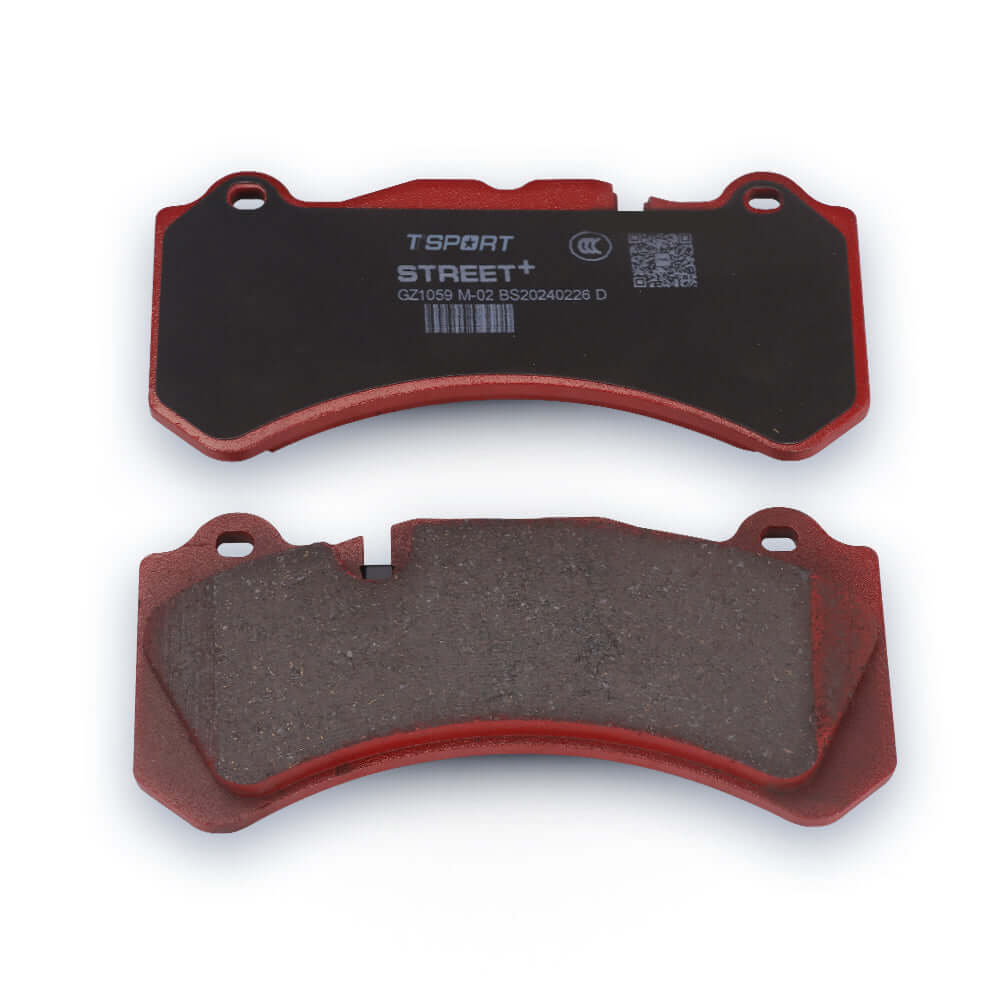


หยุดรถเย็น
ตอบสนองที่คาดการณ์ได้ตั้งแต่การหยุดครั้งแรก พร้อมความรู้สึกแป้นเบรกที่ปรับแต่งสำหรับการใช้งานในเมืองและทางหลวง

อีเมล: sales@ttsport-racing.com
สกุลเงิน
 AED
AED
 AFN
AFN
 ALL
ALL
 AMD
AMD
 ANG
ANG
 AUD
AUD
 AWG
AWG
 AZN
AZN
 BAM
BAM
 BBD
BBD
 BDT
BDT
 BIF
BIF
 BND
BND
 BOB
BOB
 BSD
BSD
 BWP
BWP
 BZD
BZD
 CAD
CAD
 CDF
CDF
 CHF
CHF
 CNY
CNY
 CRC
CRC
 CVE
CVE
 CZK
CZK
 DJF
DJF
 DKK
DKK
 DOP
DOP
 DZD
DZD
 EGP
EGP
 ETB
ETB
 EUR
EUR
 FJD
FJD
 FKP
FKP
 GBP
GBP
 GMD
GMD
 GNF
GNF
 GTQ
GTQ
 GYD
GYD
 HKD
HKD
 HNL
HNL
 HUF
HUF
 IDR
IDR
 ILS
ILS
 INR
INR
 ISK
ISK
 JMD
JMD
 JPY
JPY
 KES
KES
 KGS
KGS
 KHR
KHR
 KMF
KMF
 KRW
KRW
 KYD
KYD
 KZT
KZT
 LAK
LAK
 LBP
LBP
 LKR
LKR
 MAD
MAD
 MDL
MDL
 MKD
MKD
 MMK
MMK
 MNT
MNT
 MOP
MOP
 MUR
MUR
 MVR
MVR
 MWK
MWK
 MYR
MYR
 NGN
NGN
 NIO
NIO
 NPR
NPR
 NZD
NZD
 PEN
PEN
 PGK
PGK
 PHP
PHP
 PKR
PKR
 PLN
PLN
 PYG
PYG
 QAR
QAR
 RON
RON
 RSD
RSD
 RWF
RWF
 SAR
SAR
 SBD
SBD
 SEK
SEK
 SGD
SGD
 SHP
SHP
 SLL
SLL
 STD
STD
 THB
THB
 TJS
TJS
 TOP
TOP
 TTD
TTD
 TWD
TWD
 TZS
TZS
 UAH
UAH
 UGX
UGX
 USD
USD
 UYU
UYU
 UZS
UZS
 VND
VND
 VUV
VUV
 WST
WST
 XAF
XAF
 XCD
XOF
XPF
XCD
XOF
XPF
 YER
YER
ผ้าเบรก · ส่วนผสม M-02 · สำหรับถนนสายสปอร์ต
ผ้าเบรก TTSPORT M-02 เป็นผ้าเบรกเซรามิกเรซินสำหรับการใช้งานบนถนน ที่ออกแบบมาเพื่อผู้ขับขี่ประจำวันที่ต้องการการหยุดที่มั่นใจ ฝุ่นล้อที่ต่ำ และการทำงานเงียบโดยไม่ลดความสามารถในการหยุดอย่างรวดเร็วในเส้นทางสายสนุก
ตรวจสอบลูกสูบคาลิปเปอร์ ฝาครอบฝุ่น รางนำ และสายเบรก ระหว่างเปลี่ยนผ้าเบรก
ส่วนผสมสำหรับถนน: M-02 ถูกออกแบบให้มีฝุ่นต่ำ เสียงรบกวนต่ำ การสึกหรอที่เป็นมิตรกับโรเตอร์ และความสะดวกสบายในการขับขี่ประจำวัน สำหรับสนามแข่ง การทดสอบความเร็ว หรือการเบรกความเร็วสูงซ้ำๆ คว เลือกส่วนผสม TTSPORT ที่ทนความร้อนสูงกว่า
| ส่วนผสมของผ้าเบรก | |
|---|---|
| ซีรีส์ | ซีรีส์ MT — สมรรถนะบนถนน |
| สารประกอบ | ส่วนผสมเซรามิกเรซินสำหรับถนน M-02 |
| ประเภทสินค้า | ผ้าเบรก / ส่วนผสมเสียดทาน |
| การใช้งานที่ตั้งใจไว้ | การขับขี่ในชีวิตประจำวัน การเดินทางไปทำงาน การขับขี่บนถนนอย่างสนุกสนาน |
| ระดับฝุ่น | ต่ำ |
| ระดับเสียง | ต่ำ |
| การสึกหรอของโรเตอร์ | ต่ำ / เป็นมิตรกับโรเตอร์ |
| ช่วงอุณหภูมิ | อุณหภูมิการใช้งานบนถนน |
| โรเตอร์ที่แนะนำ | โรเตอร์เหล็กหล่อ OE หรือแบบสไตล์ OE |
| ไม่ใช่สำหรับใช้งาน | วันแข่ง สนามทดสอบความเร็ว การแข่งอัตโนมัติ HPDE การเบรกความเร็วสูงซ้ำๆ หรือโรเตอร์คาร์บอน-เซรามิก ยกเว้นได้รับการยืนยันแยกต่างหากโดย TTSPORT |
| การปรับเบรก | จำเป็นสำหรับประสิทธิภาพสูงสุดและการทำงานเงียบ |
หน้านี้อธิบายเฉพาะผ้าเบรกเท่านั้น คาลิปเปอร์ จานเบรก สายเบรก น้ำมันเบรก ขาเบรก เซ็นเซอร์วัดการสึกหรอ และอุปกรณ์ติดตั้งไม่ได้รวมอยู่ในชุด ยกเว้นระบุแยกต่างหากในคำสั่งซื้อสุดท้าย
ตอบสนองที่คาดการณ์ได้ตั้งแต่การหยุดครั้งแรก พร้อมความรู้สึกแป้นเบรกที่ปรับแต่งสำหรับการใช้งานในเมืองและทางหลวง
ฝุ่นต่ำและเสียงรบกวนต่ำ ทำให้ M-02 เหมาะสมกว่าสำหรับการขับขี่ในชีวิตประจำวัน มากกว่าส่วนผสมโลหะหรือสำหรับสนามแข่งที่รุนแรง
การหยุดที่มั่นใจสำหรับการขับบนถนนสายสนุก พร้อมอยู่ในช่วงอุณหภูมิที่เน้นการใช้งานบนถนน
ไม่ได้ออกแบบให้รับความร้อนต่อเนื่องในสนามแข่ง การเบรกความเร็วสูงซ้ำๆ อาจเกินช่วงการทำงานที่ส่วนผสมสามารถรองรับได้
การเบดดิ้งที่ถูกต้องจะถ่ายเทชั้นของวัสดุเสียดทานอย่างสม่ำเสมอไปยังโรเตอร์ และจำเป็นสำหรับประสิทธิภาพเต็มที่และการทำงานเงียบ
การไม่ทำการเบรกให้เข้าที่ก่อนใช้งานเป็นสาเหตุที่พบบ่อยที่สุดของเสียงกรีด เส้นชั้นถ่ายเทไม่สม่ำเสมอ และความรู้สึกแป้นเบรกไม่คงที่บนผ้าเบรกเซรามิกใหม่
ความปลอดภัย: การติดตั้งผ้าเบรกควรดำเนินการโดยช่างผู้เชี่ยวชาญ ยืนยันรูปทรงของผ้าเบรก วัสดุของโรเตอร์ การเข้ากันได้ของคาลิปเปอร์ และสภาพของระบบเบรกก่อนขับขี่
ถ้าคุณแบ่งเวลาใช้งานระหว่างถนนและสนามแข่ง M-02 อาจเน้นความสบายเกินไป เลือก M-02 สำหรับการใช้งานในชีวิตประจำวันที่เงียบและล้อสะอาดขึ้น; เลือกส่วนผสม TTSPORT ที่ทนความร้อนสูงกว่า สำหรับ HPDE การทดสอบความเร็ว หรือการเบรกความเร็วสูงซ้ำๆ
ใช่ ส่วนผสมเซรามิกสำหรับถนนออกแบบให้สร้างฝุ่นที่มองเห็นได้น้อยกว่าผ้าเบรกแบบกึ่งโลหะมาตรฐานของโรงงาน ทำให้ล้อสะอาดขึ้นระหว่างการล้าง
M-02 ถูกออกแบบมาสำหรับอุณหภูมิถนน สำหรับการใช้งานบนสนามแข่ง, autocross, HPDE หรือการเบรกความเร็วสูงซ้ำๆ ควรเลือกใช้สารประกอบ TTSPORT ที่มีอุณหภูมิสูงขึ้น ซึ่งออกแบบมาเพื่อความทนทานต่อความร้อนสะสม
ไม่จำเป็นเสมอไป M-02 ทำงานได้ดีร่วมกับดรัมเบรกเหล็กหล่อแบบ OE หรือแบบคล้าย OE ที่อยู่ในสภาพดี หากดรัมเบรกมีรอยขีดข่วน บิดงอ เป็นคราบน้ำมัน หรือมีความหนาต่ำกว่าขั้นต่ำ ควรเปลี่ยนหรือซ่อมแซมก่อนติดตั้งผ้าเบรกใหม่
M-02 ถูกปรับแต่งให้ทำงานเงียบบนถนน การทำตามขั้นตอนเบิร์นอิน การทำความสะอาดบริเวณสัมผัสของผ้าเบรก และการใช้เครื่องมือที่ขันแน่นอย่างถูกต้อง ช่วยลดโอกาสเกิดเสียงร้องรบกวน
วางแผนขับขี่ควบคุมประมาณ 10–15 นาที โดยใช้วิธีการขับขี่ตามที่กล่าวไว้ หลีกเลี่ยงการเบรกแรงๆ หรือการจอดรถบนผ้าเบรกที่ร้อนในช่วงการใช้งานแรกๆ
M-02 ออกแบบมาสำหรับดรัมเบรกเหล็กหล่อแบบ OE หรือคล้าย OE เท่านั้น ห้ามใช้กับดรัมเบรกคาร์บอน-เซรามิก เว้นแต่ TTSPORT จะยืนยันความเข้ากันได้สำหรับชุดดรัมเบรกและคาลิปเปอร์รุ่นนั้นๆ
ส่งข้อมูลรถยนต์ รุ่นคาลิปเปอร์ ประเภทดรัมเบรก รูปร่างผ้าเบรก และการใช้งานขับขี่ TTSPORT จะช่วยยืนยันว่า M-02 เป็นสารประกอบผ้าเบรกสำหรับถนนที่เหมาะสมกับชุดของคุณหรือไม่
Brake Pads · Compound Selection · Bedding · Care Guide
Brake pads are not universal wear parts. Pad shape, compound, rotor material, caliper type, temperature window, noise tolerance, dust expectation, and driving use all matter. The right pad should match how the vehicle is actually driven, not just what fits inside the caliper.
This guide explains how to choose, install, bed in, and inspect TTSPORT brake pads so the compound works as intended.
Start with the exact vehicle and brake setup. A pad can look close and still have the wrong backing plate, thickness, sensor slot, or compound for the rotor material.
Do not order brake pads by vehicle name alone if the car has a big brake kit, swapped calipers, aftermarket rotors, or carbon ceramic brakes.
Be honest about the use case. A quiet daily pad and a track pad solve different problems. Choosing too aggressive a compound for street use can create noise, dust, poor cold bite, and unnecessary rotor wear. Choosing too mild a compound for track use can cause fade, glazing, and unstable pedal feel.
Prioritize cold bite, low noise, low dust, smooth release, and rotor-friendly wear. Ceramic or comfort-focused street compounds are usually the best fit.
Choose a compound with stronger bite and better heat tolerance while still keeping acceptable dust, noise, and cold-stop behavior.
Use a high-temperature compound designed for repeated hard braking. Expect more noise, dust, pad wear, and rotor wear.
Select based on surface, vehicle weight, tire grip, brake cooling, stint length, and whether consistent release or high initial bite matters more.
Pads and rotors work as a friction pair. The wrong pad can create poor bite, high wear, noise, uneven deposits, or rotor damage.
Important: Carbon ceramic rotors require compatible pad compounds and correct bedding. The wrong pad can damage the friction surface and reduce braking performance.
Every brake pad compound has a working temperature range. Street compounds are designed to work from cold and stay quiet during normal road use. Track compounds are designed to stay stable at higher temperatures, but may feel weak, noisy, or abrasive when cold.
Use the specific TTSPORT compound data for the final decision. Temperature range, friction coefficient, dust, noise, and rotor wear vary by compound.
Friction coefficient, often shown as μ, describes how strongly the pad grips the rotor under defined test conditions. Higher μ usually means stronger bite, but not automatically better street behavior.
Good for track, time attack, and late braking. Can feel grabby or noisy on the street.
Best for daily and performance street use where smooth modulation and predictable release matter.
Some compounds build bite as heat increases. Good for hard driving, but the driver must manage pedal pressure carefully.
Useful for trail braking, low-speed control, wet roads, off-road work, and mixed driving conditions.
There is no free compound. Higher heat capacity and stronger bite usually come with more dust, more noise, faster pad wear, or faster rotor wear. Low-dust, quiet pads are better for comfort but are not built for sustained track heat.
Brake pad installation should begin with inspection. New pads will not fix a damaged rotor, sticking caliper, seized guide pin, or contaminated brake system.
Safety: Brake pad installation should be completed by a qualified technician. Confirm pad fitment, rotor material, caliper condition, and brake-system safety before driving.
Bedding is required for stable bite, quiet operation, and consistent pedal feel. It creates a controlled transfer layer between the pad and rotor. Follow the exact TTSPORT compound procedure when supplied.
Street pads, race pads, and carbon ceramic pads may require different bedding methods. Do not use one generic bedding process for every compound.
Brake pads may continue to settle after the first bedding cycle. Pedal feel, dust output, and minor noise can change during the first drives.
Brake pads should be inspected regularly, especially after hard driving, mountain roads, towing, track use, winter salt exposure, or off-road use.
Do not continue driving if the brake system shows any of the following symptoms. Inspect the system or contact a qualified brake technician before using the vehicle again.
Send your vehicle details, caliper model, rotor material, pad shape, driving use, and any symptoms you notice. TTSPORT will help confirm the correct brake pad compound and care path for your setup.
ขอบคุณสำหรับการสมัครสมาชิก!
อีเมลนี้ได้รับการลงทะเบียนแล้ว!