




สูตรเหล็กคาร์บอนสูง
ออกแบบมาเพื่อเสถียรภาพทางความร้อนที่ดีขึ้นในรอบการเบรกที่มีความร้อนสูงซ้ำ ๆ

อีเมล: sales@ttsport-racing.com
สกุลเงิน
 AED
AED
 AFN
AFN
 ALL
ALL
 AMD
AMD
 ANG
ANG
 AUD
AUD
 AWG
AWG
 AZN
AZN
 BAM
BAM
 BBD
BBD
 BDT
BDT
 BIF
BIF
 BND
BND
 BOB
BOB
 BSD
BSD
 BWP
BWP
 BZD
BZD
 CAD
CAD
 CDF
CDF
 CHF
CHF
 CNY
CNY
 CRC
CRC
 CVE
CVE
 CZK
CZK
 DJF
DJF
 DKK
DKK
 DOP
DOP
 DZD
DZD
 EGP
EGP
 ETB
ETB
 EUR
EUR
 FJD
FJD
 FKP
FKP
 GBP
GBP
 GMD
GMD
 GNF
GNF
 GTQ
GTQ
 GYD
GYD
 HKD
HKD
 HNL
HNL
 HUF
HUF
 IDR
IDR
 ILS
ILS
 INR
INR
 ISK
ISK
 JMD
JMD
 JPY
JPY
 KES
KES
 KGS
KGS
 KHR
KHR
 KMF
KMF
 KRW
KRW
 KYD
KYD
 KZT
KZT
 LAK
LAK
 LBP
LBP
 LKR
LKR
 MAD
MAD
 MDL
MDL
 MKD
MKD
 MMK
MMK
 MNT
MNT
 MOP
MOP
 MUR
MUR
 MVR
MVR
 MWK
MWK
 MYR
MYR
 NGN
NGN
 NIO
NIO
 NPR
NPR
 NZD
NZD
 PEN
PEN
 PGK
PGK
 PHP
PHP
 PKR
PKR
 PLN
PLN
 PYG
PYG
 QAR
QAR
 RON
RON
 RSD
RSD
 RWF
RWF
 SAR
SAR
 SBD
SBD
 SEK
SEK
 SGD
SGD
 SHP
SHP
 SLL
SLL
 STD
STD
 THB
THB
 TJS
TJS
 TOP
TOP
 TTD
TTD
 TWD
TWD
 TZS
TZS
 UAH
UAH
 UGX
UGX
 USD
USD
 UYU
UYU
 UZS
UZS
 VND
VND
 VUV
VUV
 WST
WST
 XAF
XAF
 XCD
XOF
XPF
XCD
XOF
XPF
 YER
YER
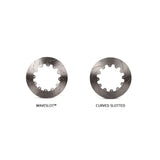
แหวนเสียดทานเบรกโรเตอร์ · WaveSlot · สำหรับการแข่งขันและการใช้งานในสนาม
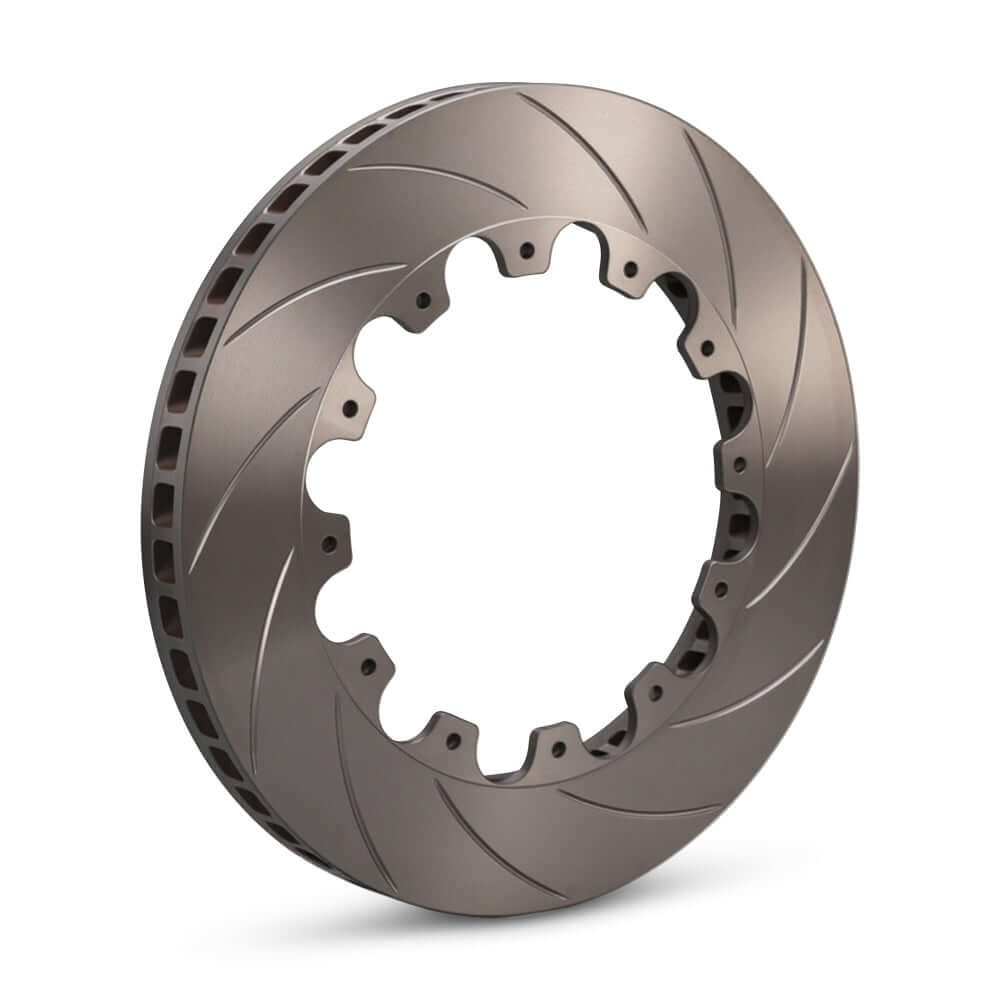
แหวนเสียดทานเบรกเกรดแข่งทำจากเหล็กคาร์บอนสูง ออกแบบให้ทนต่อรอบความร้อนสูงซ้ำ ๆ ให้ความรู้สึกคันเบรกที่เสถียร และมีพฤติกรรมเสียดทานที่สม่ำเสมอในสนามแข่งที่ต้องการความเข้มข้น
แหวนเสียดทานนี้ออกแบบมาเพื่อการจัดการความร้อนที่ควบคุมได้ดีและความเสถียรของพื้นผิวเสียดทาน วัสดุเหล็กคาร์บอนสูงช่วยเพิ่มความต้านทานต่อการบิดเบี้ยว การตรวจสอบความร้อน และรอยร้าวจากความเครียด ซึ่งอาจเกิดขึ้นเมื่อใช้โรเตอร์สำรองมาตรฐานในสนามแข่ง ผลลัพธ์คือคันเบรกที่คาดการณ์ได้ดีขึ้นและพื้นผิวเสียดทานที่ทนทานต่อการใช้งานในระยะยาว
ลาย WaveSlot ถูกกลึงเพื่อรักษาการเชื่อมต่อของผ้าเบรกโดยสร้างขอบนำหน้าเป็นระยะเมื่อจานหมุน ช่วยระบายผงเบรก ก๊าซ และสิ่งสกปรกบนพื้นผิวระหว่างผ้าเบรกและจานเบรก สนับสนุนการสัมผัสที่สม่ำเสมอในช่วงเบรกอย่างรุนแรง ควรใช้ร่วมกับคอมพาวด์ผ้าเบรกสำหรับการแข่งขันและกระบวนการเบรกที่เหมาะสมเพื่อผลลัพธ์ที่ดีที่สุด
ออกแบบมาเพื่อเสถียรภาพทางความร้อนที่ดีขึ้นในรอบการเบรกที่มีความร้อนสูงซ้ำ ๆ
ลายช่องเจาะที่แม่นยำช่วยให้ผ้าเบรกสัมผัสกับพื้นผิวเสียดทานอย่างต่อเนื่องและสนับสนุนการระบายเศษผง
ออกแบบให้มีความร่อนต่ำและความรู้สึกคันเบรกที่สม่ำเสมอเมื่อจับคู่กับหมวกโรเตอร์และคาลิปเปอร์ที่เหมาะสม
ออกแบบเพื่อเพิ่มความต้านทานต่อรอยร้าวจากความร้อนและความเครียดภายใต้ภาระ
เหมาะเป็นแหวนเสียดทานสำรองสำหรับชุดแข่งเดิมหรือชุดโรเตอร์สองชิ้นแบบกำหนดเอง
| แหวนเสียดทานดิสก์เบรก | |
|---|---|
| ประเภทสินค้า | จานเบรกเกรดแข่ง / วงแหวนเสียดทาน |
| วัสดุ | เหล็กกล้าคาร์บอนสูง |
| พื้นผิวเสียดทาน | ลาย WaveSlot |
| การใช้งานที่ตั้งใจไว้ | การเบรกในสนามและการแข่งขัน |
| การกำหนดค่า | วงแหวนเสียดทานสำหรับชุดเดิมหรือชุดจานเบรกแบบสองชิ้นที่กำหนดเอง |
| การจับคู่แนะนำ | หมวกจานเบรกอลูมิเนียม TTSPORT; ผ้าเบรกสำหรับการแข่งขัน |
เส้นผ่านศูนย์กลาง ความหนา จำนวนช่องระบายอากาศ และรูปแบบสลักขึ้นอยู่กับรุ่นที่เลือก โปรดยืนยันขนาดกับคาลิปเปอร์และหมวกโรเตอร์ของคุณก่อนสั่งซื้อ
หน้านี้อธิบายเฉพาะแหวนเสียดทานสำหรับการแข่งขันเท่านั้น ไม่รวมหมวกโรเตอร์, บ็อบบิ้น / ฮาร์ดแวร์ติดตั้ง, ผ้าเบรก, คาลิปเปอร์, สายเบรก และชุดโรเตอร์แบบสองชิ้นเต็มรูปแบบ ยกเว้นระบุแยกต่างหากในคำสั่งซื้อสุดท้าย
จานเบรกนี้ขายเป็นวงแหวนเสียดทานโดยตรง ทำให้เป็นตัวเลือกสำหรับผู้ขับขี่ที่เปลี่ยนวงแหวนเก่าในชุดสองชิ้นเดิมหรือสร้างชุดกำหนดเอง รวมกับหมวกจานเบรกอลูมิเนียม TTSPORT เพื่อสร้างชุดจานเบรกสองชิ้นที่ใช้งานได้และน้ำหนักเบา
ไม่ใช่ จานนี้ขายเป็นวงแหวนเสียดทานเท่านั้น ควรจับคู่กับหมวกจานเบรกอลูมิเนียม TTSPORT ที่เข้ากันได้เพื่อสร้างชุดสองชิ้นสมบูรณ์
เหล็กกล้าคาร์บอนสูง เลือกใช้เพื่อเสถียรภาพทางความร้อนและความต้านทานต่อรอยร้าวจากความร้อนในช่วงการเบรกที่ความร้อนสูงซ้ำๆ
พื้นผิวเสียดทานแบบช่องระบายมักทำให้ผ้าเบรกสึกเร็วขึ้นกว่าจานเรียบ ซึ่งเป็นผลข้างเคียงของจานเบรกสำหรับการแข่งขันและเป็นการแลกเปลี่ยนสำหรับการเชื่อมต่อผ้าเบรกที่ใช้งานได้ดีและการระบายสิ่งสกปรก
ออกแบบสำหรับผ้าเบรกสำหรับการแข่งขัน ผ้าเบรกบนถนนสามารถใช้งานได้ทางกลแต่จะไม่สามารถทนความร้อนหรือเสถียรภาพของแรงเสียดทานที่จานนี้สร้างขึ้นได้
เส้นผ่านศูนย์กลาง ความหนา และรูปแบบสกรูแตกต่างกันไปตามรุ่น ตรวจสอบขนาดกับคาลิปเปอร์และหมวกจานเบรกของคุณ หรือสอบถามรายละเอียดเพิ่มเติม
ส่งเส้นผ่านศูนย์กลาง ความหนา รูปแบบช่องระบายอากาศ ข้อมูลหมวกโรเตอร์ รุ่นคาลิปเปอร์ และชนิดผ้าเบรก TTSPORT จะช่วยยืนยันว่าแหวนเสียดทานนี้ตรงกับชุดของคุณหรือไม่
Brake Rotors · Fitment · Installation · Bedding · Care Guide
Brake rotors are not just round discs that bolt behind the wheel. Rotor diameter, thickness, offset, vane direction, surface pattern, material, coating, hat design, pad compound, and driving use all affect fitment and performance.
This guide explains how to choose, install, bed in, inspect, and care for TTSPORT brake rotors so the rotor and pad system works as intended.
Do not order rotors by appearance or diameter alone. Two rotors can look similar but use different offsets, hub registers, vane directions, bolt patterns, thicknesses, or hat designs.
Brake rotors are application-specific. A wrong rotor offset or thickness can misalign the caliper, create pad overhang, cause vibration, or prevent wheel clearance.
The best rotor is the one matched to the vehicle and driving use. Surface pattern alone does not make a rotor better.
Best for quiet daily use, low NVH, and smooth pad wear. A good choice for commuting and OE-style replacement.
Designed to keep the pad interface active and help clear dust, gas, and water film. Expect more pad wear than a smooth street rotor.
Often chosen for appearance and wet-weather surface clearing. For hard track use, confirm the rotor design is approved for sustained heat.
Use a separate friction ring and rotor hat to reduce weight and allow ring replacement when the hat remains within service limits.
Used for better thermal stability and damping compared with basic gray-iron replacement rotors.
Require compatible pads, correct bedding, and strict fitment confirmation. Do not treat CCB rotors like standard iron rotors.
Rotor installation quality directly affects pedal feel, vibration, pad wear, and service life. A premium rotor installed on a dirty hub can still develop brake judder.
Safety: Do not install a rotor if the hub face is dirty, the rotor does not sit flat, the direction is unclear, or the caliper does not center correctly over the disc.
The hub must be clean and flat. Rust or debris between the hub and rotor can create lateral runout and brake vibration.
Confirm left / right orientation if the rotor uses directional vanes, directional slots, directional drilling, or asymmetric cooling design.
Measure rotor runout if possible, especially on performance applications or vehicles with previous vibration complaints.
Check that the pad sweeps correctly across the friction face and does not overhang the rotor edge or hat area.
Confirm wheel spoke and barrel clearance after the rotor and caliper are installed. Rotor size changes can affect final caliper position.
Torque wheel nuts, caliper bolts, bracket bolts, and two-piece rotor hardware to the required specification. Do not guess torque values.
Two-piece rotors need additional inspection because the friction ring, hat, and mounting hardware work together as a serviceable assembly.
A two-piece rotor is not automatically floating. Floating behavior depends on the hat, friction ring, bobbins, fasteners, and assembly design.
Bedding is required for new rotors and pads. The goal is to create an even pad material transfer layer on the rotor surface and gradually heat-stabilize the rotor before full-load use.
Street pads, race pads, carbon ceramic pads, iron rotors, two-piece rotors, and CCB rotors may require different bedding procedures. Use the supplied TTSPORT procedure for the specific system.
After the initial bedding cycle, give the rotor and pad pair time to settle. Avoid treating a fresh brake setup like a fully heat-cycled race system on day one.
Rotors are wear items. Inspect them more often if the vehicle sees track use, mountain roads, towing, winter salt, off-road use, or aggressive pad compounds.
Do not run rotors below minimum thickness. Thin rotors have reduced heat capacity and can compromise braking safety.
Do not continue driving if the brake system shows any of the following symptoms. Inspect the system or contact a qualified brake technician before using the vehicle again.
Send your vehicle details, current rotor size, caliper model, wheel specs, pad compound, driving use, and any symptoms you notice. TTSPORT will help confirm the correct rotor type and care path for your setup.
ขอบคุณสำหรับการสมัครสมาชิก!
อีเมลนี้ได้รับการลงทะเบียนแล้ว!