


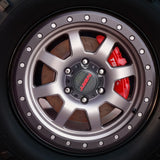


การติดตั้งในซีรีส์แบบติดตั้งโดยตรง
การกำหนดค่าการติดตั้งแบบเฉพาะรถยนต์, ไม่ใช่ตัวแปลงสัญญาณแบบสากล

อีเมล: sales@ttsport-racing.com
สกุลเงิน
 AED
AED
 AFN
AFN
 ALL
ALL
 AMD
AMD
 ANG
ANG
 AUD
AUD
 AWG
AWG
 AZN
AZN
 BAM
BAM
 BBD
BBD
 BDT
BDT
 BIF
BIF
 BND
BND
 BOB
BOB
 BSD
BSD
 BWP
BWP
 BZD
BZD
 CAD
CAD
 CDF
CDF
 CHF
CHF
 CNY
CNY
 CRC
CRC
 CVE
CVE
 CZK
CZK
 DJF
DJF
 DKK
DKK
 DOP
DOP
 DZD
DZD
 EGP
EGP
 ETB
ETB
 EUR
EUR
 FJD
FJD
 FKP
FKP
 GBP
GBP
 GMD
GMD
 GNF
GNF
 GTQ
GTQ
 GYD
GYD
 HKD
HKD
 HNL
HNL
 HUF
HUF
 IDR
IDR
 ILS
ILS
 INR
INR
 ISK
ISK
 JMD
JMD
 JPY
JPY
 KES
KES
 KGS
KGS
 KHR
KHR
 KMF
KMF
 KRW
KRW
 KYD
KYD
 KZT
KZT
 LAK
LAK
 LBP
LBP
 LKR
LKR
 MAD
MAD
 MDL
MDL
 MKD
MKD
 MMK
MMK
 MNT
MNT
 MOP
MOP
 MUR
MUR
 MVR
MVR
 MWK
MWK
 MYR
MYR
 NGN
NGN
 NIO
NIO
 NPR
NPR
 NZD
NZD
 PEN
PEN
 PGK
PGK
 PHP
PHP
 PKR
PKR
 PLN
PLN
 PYG
PYG
 QAR
QAR
 RON
RON
 RSD
RSD
 RWF
RWF
 SAR
SAR
 SBD
SBD
 SEK
SEK
 SGD
SGD
 SHP
SHP
 SLL
SLL
 STD
STD
 THB
THB
 TJS
TJS
 TOP
TOP
 TTD
TTD
 TWD
TWD
 TZS
TZS
 UAH
UAH
 UGX
UGX
 USD
USD
 UYU
UYU
 UZS
UZS
 VND
VND
 VUV
VUV
 WST
WST
 XAF
XAF
 XCD
XOF
XPF
XCD
XOF
XPF
 YER
YER
ซีรีส์ติดตั้งโดยตรง · เพลากลางหน้า · สำหรับออฟโรด 6-ปั๊ม
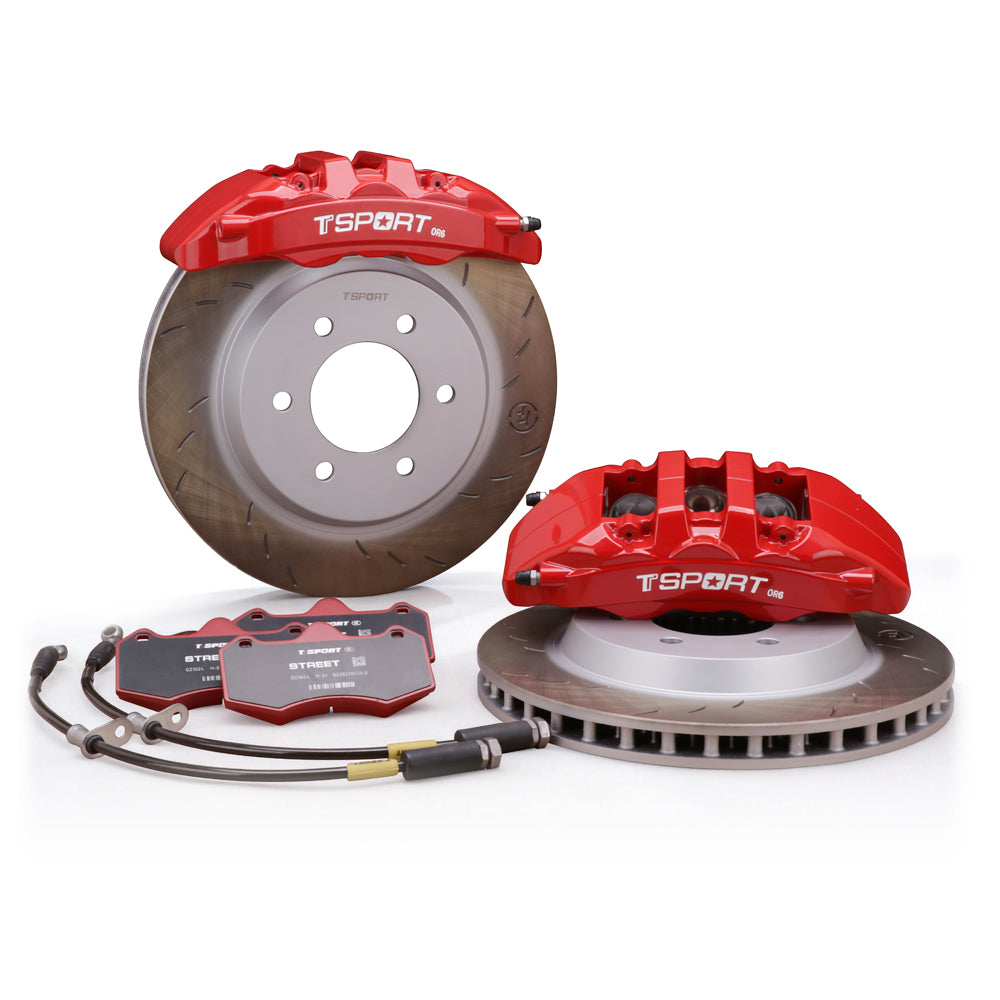
ชุดเบรกหน้าขนาดใหญ่ TTSPORT OR6 ถูกสร้างขึ้นสำหรับรถ Toyota Tundra (XK50) และ Sequoia (XK60) ที่บรรทุกของหนัก — น้ำหนักสำหรับการเดินทางออฟโรด, ยางขนาดใหญ่, เกราะกันกระสุน, ชุดไฟฉุกเฉิน, เต็นท์บนหลังคา, การลากจูง และการลงเขาในเทือกเขายาวๆ คาลิปเปอร์ forged 6-piston, โรเตอร์เหล็กกล้าคุณภาพสูงขนาด Ø355 มม. × 32 มม. แบบชิ้นเดียว, และสายเบรกสแตนเลสแบบถัก ช่วยให้รู้สึกเบรกที่แม่นยำและมีความสามารถในการระบายความร้อนที่โรงงานเบรกหน้ามาตรฐานไม่เคยให้มาก่อน
ระบบเบรกหน้าของ Tundra หรือ Sequoia รุ่นโรงงานถูกออกแบบให้รองรับน้ำหนักตามมาตรฐานบนยางมาตรฐาน เมื่อเพิ่มบู้มเหล็ก ชุดไฟฟ้า ลิ้นชัก เต็นท์บนหลังคา น้ำมันเชื้อเพลิงและน้ำสำหรับระยะไกล ยางขนาด 33–35 นิ้ว และอุปกรณ์เสริมอื่น ๆ แรงงานบนเพลาหน้าจะเพิ่มขึ้นในทุกการหยุด การเพิ่มมวลและแรงเหวี่ยงเชิงกลนี้กลายเป็นความร้อน ระยะการเหยียบเบรกที่ยาวขึ้น และการเฟดเมื่อขับลงทางลื่นและทางวิบาก ชุดเบรกหน้า OR6 ถูกออกแบบมาเพื่อรองรับภาระจริงนี้ — ไม่ใช่เพื่อเวลาต่อรอบ
การกำหนดค่าการติดตั้งแบบเฉพาะรถยนต์, ไม่ใช่ตัวแปลงสัญญาณแบบสากล
ลูกสูบแบบสเตเกอร์ 40 มม. และ 43 มม. ช่วยปรับสมดุลแรงกดของผ้าเบรกและลดการสึกหรอของแท่งเบรกภายใต้ภาระหนัก
Toyota Tundra (XK50) และ Sequoia (XK60) ใช้ข้อกำหนดโรเตอร์หน้าขนาด Ø355 มม. × 32 มม. ของ OR6
ลูกสูบฉนวนความร้อนแบบชิ้นเดียวพร้อมฝาปิดกันฝุ่นช่วยปกป้องซีลจากความร้อน, ฝุ่น, และการข้ามน้ำ
สายเบรกแบบถัก PTFE / SUS304 สามชั้น ช่วยลดการขยายตัวภายใต้แรงกด เพื่อความรู้สึกเบรกที่แน่นหนาและคงที่มากขึ้น
สร้างขึ้นสำหรับรถบรรทุกออฟโรดที่ใช้งานบนทางหลวง, ถนนเข้าถึงที่ขรุขระ, และการลงเขาอย่างต่อเนื่อง
| คาลิปเปอร์เบรก | |
|---|---|
| ซีรีส์ | ซีรีส์แบบติดตรง |
| รุ่น / การใช้งาน | OR6 |
| ตำแหน่งเพลาขับ | ด้านหน้า |
| จำนวนลูกสูบ | 6-ปืนก้าน |
| ประเภทลูกสูบ | ลูกสูบแบบชิ้นเดียวที่กันความร้อนพร้อมฝาปิดกันฝุ่น |
| เส้นผ่านศูนย์กลางลูกสูบ | 40 มม. × 4 / 43 มม. × 2 |
| ขนาดคาลิปเปอร์ | L 301 มม. × W 149 มม. × H 130 มม. |
| พื้นที่ลูกสูบรวม | 79 ตร.ซม. ต่อคาลิปเปอร์ รวมลูกสูบทั้งหมด |
| กระบวนการผลิต | ตัวถังอะลูมิเนียมขึ้นรูปสองชิ้น |
| น้ำหนักสุทธิ | 4 กก. ต่อคาลิปเปอร์ โดยไม่รวมผ้าเบรก |
| พื้นผิวเคลือบเงา | เคลือบเงาอุณหภูมิสูง |
| ขนาดล้อที่แนะนำ | 17 นิ้วขึ้นไป |
| ขนาดโรเตอร์ที่แนะนำ | Ø340–355 มม. × 32/34 มม. |
| โรเตอร์เบรก | |
| วัสดุโรเตอร์ | เหล็กหล่อโครเมียมสูงผ่านการอบความร้อน |
| ตำแหน่งเพลาขับ | ด้านหน้า |
| ขนาดดิสก์สำหรับการใช้งานนี้ | Ø355 มม. × 32 มม. |
| โครงสร้าง | โรเตอร์ชิ้นเดียว |
| การระบายอากาศ | ระบายอากาศภายใน |
| การติดตั้งโรเตอร์ | คงที่ |
| ดีไซน์ทิศทาง | ใช่ — เฉพาะซ้าย/ขวา |
| ลายบนพื้นผิวโรเตอร์ | Wave Slot |
| ผ้าเบรก | |
| วัสดุโรเตอร์ที่รองรับได้ | โรเตอร์เหล็ก / เหล็กเท่านั้น |
| ช่วงอุณหภูมิการทำงาน | 0–600 °C |
| ค่าเฉลี่ยค่าสัมประสิทธิ์แรงเสียดทาน | ค่า μ เฉลี่ย: 0.38; ความแปรปรวนขึ้นอยู่กับอุณหภูมิ แรงดันสาย และสภาพโรเตอร์ |
| สายเบรก | |
| โครงสร้างสายเบรก | โครงสร้างเสริมสามชั้น |
| วัสดุสายเบรก | แกนใน PTFE / ลวดถักสแตนเลส SUS304 / เปลือกนอกป้องกัน PVC |
| หัวต่อสายเบรก | อุปกรณ์เชื่อมต่อเฉพาะรถยนต์; ข้อต่อด้านคาลิปเปอร์และด้านตัวถังแตกต่างกันไปตามการใช้งาน |
| การใช้งานรถและแผนที่ดิสก์เบรก | |
| Toyota Tundra (XK50) ปี 2007-2021 | 355 มม. × 32 มม. |
| Toyota Sequoia (XK60) ปี 2008-2022 | 355 มม. × 32 มม. |
| การติดตั้งและการปรับเข้ากัน | |
| การใช้งานของรถ | Toyota Tundra (XK50) ปี 2007-2021 · Toyota Sequoia (XK60) ปี 2008-2022 |
| ปีรุ่น | Toyota Tundra XK50: ปี 2007-2021 · Toyota Sequoia XK60: ปี 2008-2022 |
| เพลา | ด้านหน้า |
| ประเภทการติดตั้งคาลิปเปอร์ | การติดตั้งตรง |
| ขนาดล้อขั้นต่ำ | 17 นิ้วขึ้นไป |
| ระยะห่างของซี่ล้อขั้นต่ำ | 91 มม. |
| ประเภทข้อต่อสายเบรก | อุปกรณ์เชื่อมต่อเฉพาะรถยนต์; ข้อต่อด้านคาลิปเปอร์และด้านตัวถังแตกต่างกันไปตามการใช้งาน |
| ขั้นตอนการเบรกเบดดิ้ง | จำเป็น |
สำหรับโตโยต้า ทันดร้า XK50 รุ่นปี 2007-2021 และโตโยต้า ซีควอยา XK60 รุ่นปี 2008-2022 สเปคโรเตอร์ที่ถูกต้องคือ Ø355 มม. × 32 มม. ห้ามใช้โรเตอร์รุ่นเก่า 335 / 345 / 355 มม. × 34 มม. สำหรับการใช้งานนี้
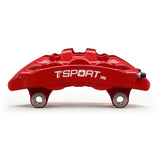
คาลิปเปอร์หน้าสองชุดแบบ forged 6 ลูกสูบ สำหรับด้านซ้าย/ขวาโดยเฉพาะ
ผ้าเบรกสำหรับคาลิปเปอร์หน้าทั้งสองข้าง ความสามารถทนความร้อน 0–600 °C และออกแบบสำหรับโรเตอร์เหล็ก / เหล็กกล้า
โรเตอร์หน้าชิ้นเดียว 2 ชิ้น Ø355 มม. × 32 มม., ทำจากเหล็กหล่อความสูงคาร์บอนผ่านความร้อน, ระบายอากาศภายในและระบุซ้าย/ขวา
สายเบรกถักสแตนเลส 2 ชิ้น พร้อมชั้นใน PTFE, สายถัก SUS304, เปลือกนอกป้องกัน PVC และข้อต่อเฉพาะสำหรับรถแต่ละรุ่น
อุปกรณ์ติดตั้งแบบเฉพาะรถสำหรับการติดตั้งบนเพลาหน้าของ Toyota Tundra XK50 / Sequoia XK60
ซีรีส์ Direct-Mount ใช้โรเตอร์แบบชิ้นเดียวและแคลมเปอร์แบบติดตั้งตรง ฮาร์ดโรเตอร์และแคลมเปอร์บริดจ์ไม่รวมอยู่ในชุด เนื่องจากไม่ใช้ในงานนี้
ชุด OR6 ต้องใช้ล้อขนาด 17 นิ้วขึ้นไป โดยมีพื้นที่ว่างในแกนล้ออย่างน้อย 91 มม. ล้อจากโรงงานและล้อแต่งหลายรุ่นสามารถใช้งานได้ แต่ควรตรวจสอบความว่างก่อนสั่งซื้อ โดยเฉพาะล้อโปรไฟล์ต่ำที่มีช่องว่างลึก

ต้องใช้ล้อขนาด 17 นิ้วขึ้นไป

ระยะห่างขั้นต่ำของซี่ล้อ: 91 มม. ตรวจสอบรูปทรงซี่ล้อ, ระยะห่าง, และโปรไฟล์ภายในของล้อก่อนสั่งซื้อ

การใช้งาน: โตโยต้า ทันดร้า (XK50) รุ่นปี 2007-2021 และ โตโยต้า ซีควอยา (XK60) รุ่นปี 2008-2022, เพลากลางหน้า, พร้อมสเปคโรเตอร์ Ø355 มม. × 32 มม.
แจ้งให้เราทราบเกี่ยวกับการสร้างรถ XK50 / XK60 ของคุณ — ขนาดยาง, ออฟเซ็ตล้อ, เกราะกันกระสุน, การลากจูง, และการใช้งาน — แล้วเราจะยืนยันความเหมาะสมก่อนสั่งซื้อ
ใช่ ชุดหน้า OR6 นี้ถูกออกแบบเป็นแบบติดตั้งโดยตรงสำหรับโตโยต้า ทันดร้า XK50 รุ่นปี 2007-2021 และโตโยต้า ซีควอยา XK60 รุ่นปี 2008-2022 สเปคโรเตอร์ที่ถูกต้องสำหรับการใช้งานนี้คือ Ø355 มม. × 32 มม.
โตโยต้า ทันดร้า XK50 รุ่นปี 2007-2021 และโตโยต้า ซีควอยา XK60 รุ่นปี 2008-2022 ใช้โรเตอร์หน้าแบบชิ้นเดียว Ø355 มม. × 32 มม. ในซีรีส์ OR6 แบบติดตั้งโดยตรง ห้ามใช้ตัวเลือกโรเตอร์เก่า 335 / 345 / 355 มม. × 34 มม. สำหรับการใช้งานนี้
ขนาดล้อขั้นต่ำที่แนะนำคือ 17 นิ้ว และคาลิปเปอร์ต้องการพื้นที่ว่างในแกนล้ออย่างน้อย 91 มม. ควรตรวจสอบความว่างก่อนสั่งซื้อ โดยเฉพาะกับล้อแบบโปรไฟล์ต่ำ, ช่องว่างล้อที่ลึก, หรือออฟเซ็ตที่ก้าวร้าว
ไม่ ชุดนี้เป็นซีรีส์ Direct-Mount ที่ใช้โรเตอร์แบบชิ้นเดียวและแคลมเปอร์แบบติดตั้งตรง ฮาร์ดโรเตอร์และแคลมเปอร์บริดจ์ไม่ใช้ในชุดนี้
ใช่ ชุดประกอบด้วยสายเบรกแบบถัก PTFE / SUS304 สแตนเลส 3 ชั้น พร้อมเปลือกนอกป้องกัน PVC ข้อต่อด้านคาลิปเปอร์และด้านตัวถังเป็นแบบเฉพาะสำหรับแต่ละรถ
ใช่ การปรับเบดอินอย่างถูกต้องเป็นสิ่งจำเป็นเพื่อถ่ายเทวัสดุผ้าเบรกไปยังผิวโรเตอร์และสร้างเสถียรภาพของแรงเสียดทาน การข้ามขั้นตอนนี้อาจทำให้เกิดการตกตะกอนที่ไม่สม่ำเสมอ การสั่นสะเทือน และประสิทธิภาพลดลง
มีคำถามเกี่ยวกับการติดตั้งหรือสเปคการสร้างไหม? แจ้งข้อมูลการสร้าง XK50 / XK60 ของคุณ — ขนาดยาง, ระยะห่างล้อ, เกราะ, การลากจูง, และกรณีการใช้งาน — แล้วเราจะยืนยันการกำหนดค่าที่ถูกต้อง
Brake Kits · Fitment · Installation · Care Guide
A brake kit is not just a pair of larger calipers. Calipers, rotors, pads, hoses, brackets, rotor hats, mounting hardware, brake fluid, wheel clearance, and bedding procedure all work together as one system.
This guide explains how to confirm the right TTSPORT brake kit before ordering, what to check before installation, and how to care for the system after installation.
Do not order a brake kit by vehicle name alone. The correct kit depends on the vehicle, axle position, wheel package, driving use, and brake system layout.
Brake kits are application-specific. A visually similar kit can still have the wrong rotor offset, bracket geometry, hose fitting, caliper position, or wheel clearance requirement.
Different TTSPORT brake kit series use different hardware layouts. Always confirm what the kit includes before purchase.
Use direct-mount calipers and one-piece rotors where specified. These kits do not use rotor hats or caliper brackets unless the final product page clearly states otherwise.
Use separate friction rings and rotor hats. Hat offset, ring bolt pattern, hardware style, and rotor direction must be matched correctly.
May require bespoke brackets, rotor hats, brake lines, and engineering confirmation based on knuckle, hub, wheel, and competition use.
Require extra attention to wheel clearance, tire size, vehicle load, descent control, hose routing, and dust / water exposure.
Do not assume every brake kit includes the same parts. Package contents vary by product series, vehicle application, and final order configuration.
Before finalizing the order, review the kit specification carefully. Confirm the brake kit is matched to your vehicle and wheel setup, not only to the model name.
If any part is not listed in the final order or product page, do not assume it is included.
Inspect every component before installation. Do not modify, grind, drill, stretch, force, or space brake kit components to make them fit.
Safety: Brake kits affect braking force, hydraulic sealing, heat control, wheel clearance, and vehicle stability. Do not install the kit if fitment, torque, direction, clearance, or compatibility is unclear.
Correct installation is as important as the brake kit itself. A properly engineered kit can still perform poorly if installed with dirty mounting faces, incorrect torque, poor hose routing, or trapped air in the hydraulic system.
Verify caliper centering over the rotor and confirm even pad sweep across the friction surface.
Confirm left / right rotor direction if the rotor uses directional vanes or directional face pattern.
Check brake hose length and routing at full steering lock and full suspension travel. No twisting, rubbing, stretching, or kinking.
Check caliper-to-spoke and caliper-to-barrel clearance before road use. Wheel diameter alone is not enough.
Use the correct brake fluid type and bleed the system until pedal feel is firm and consistent.
Torque all brake hardware to the specified value. Do not reuse damaged, unknown, stretched, or corroded safety-critical fasteners.
Brake pads and rotors need a controlled bedding process before full performance is available. Bedding helps create an even transfer layer on the rotor surface, improving bite, pedal consistency, and vibration resistance.
Street pads, race pads, iron rotors, two-piece rotors, and carbon ceramic rotors may require different bedding procedures. Use the procedure supplied with the specific kit.
After installation and bedding, give the system a short break-in period before aggressive use. Pedal feel, pad contact, dust output, and noise may continue to settle after the first drives.
Brake kits need regular inspection, especially after track use, off-road use, towing, mountain driving, winter salt exposure, or any brake service.
Inspect pads, rotors, fluid level, and hose condition during normal service intervals. Prioritize quiet operation, smooth pedal feel, and even wear.
Check pad thickness, rotor surface condition, and fluid condition more often. Long descents create sustained heat even without track use.
Inspect for mud, sand, stone impact, hose abrasion, dust boot damage, and caliper contamination after trail use.
Inspect pads, rotors, fluid, and hardware before and after every event. Track heat shortens service intervals.
Check rear brake temperature, hydraulic handbrake behavior, pad wear, rotor cracking, and hardware condition frequently.
Use only compatible pads and approved bedding procedures. Inspect rotor surface condition carefully and avoid incompatible friction materials.
Do not continue driving if the brake system shows any of the following symptoms. Inspect the system or contact a qualified brake technician before using the vehicle again.
Send your vehicle details, brake kit series, wheel specs, driving use, photos, and any symptoms you notice. TTSPORT will help confirm fitment, installation checks, and the correct care path for your brake kit.
ขอบคุณสำหรับการสมัครสมาชิก!
อีเมลนี้ได้รับการลงทะเบียนแล้ว!