
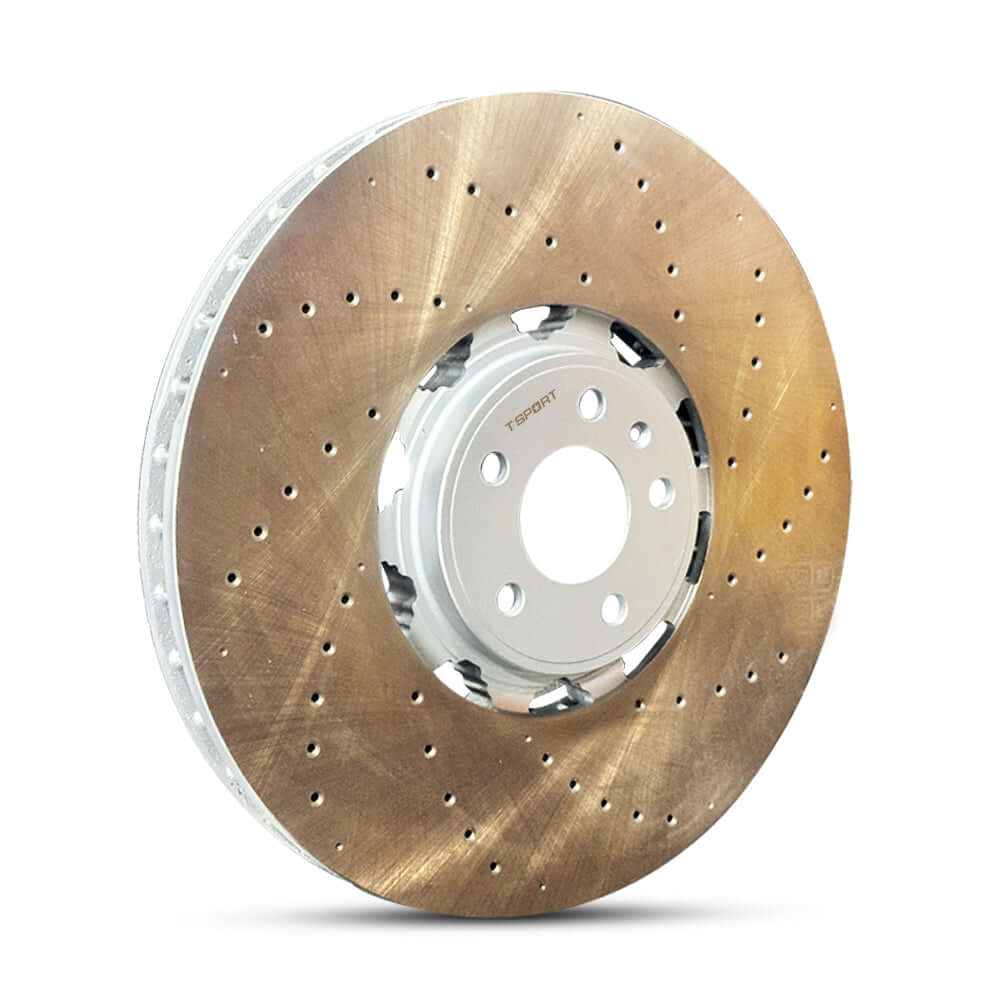
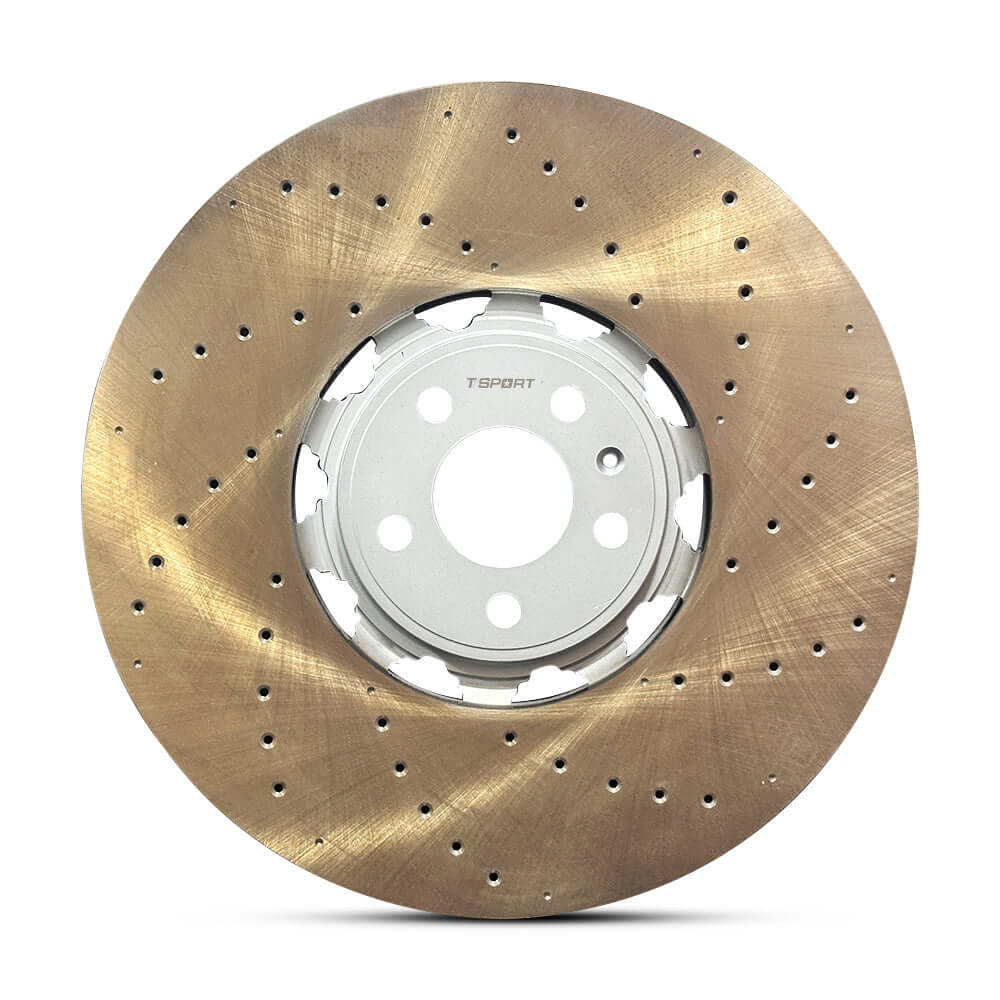
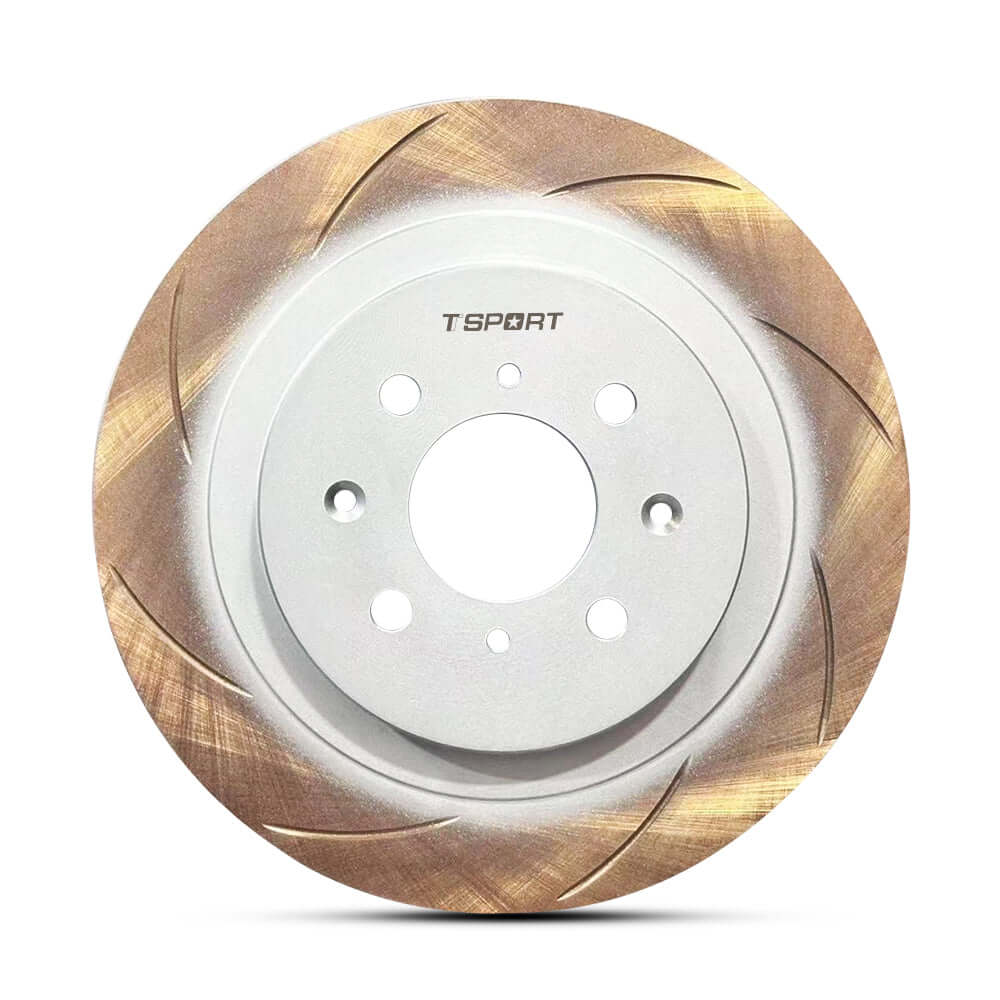
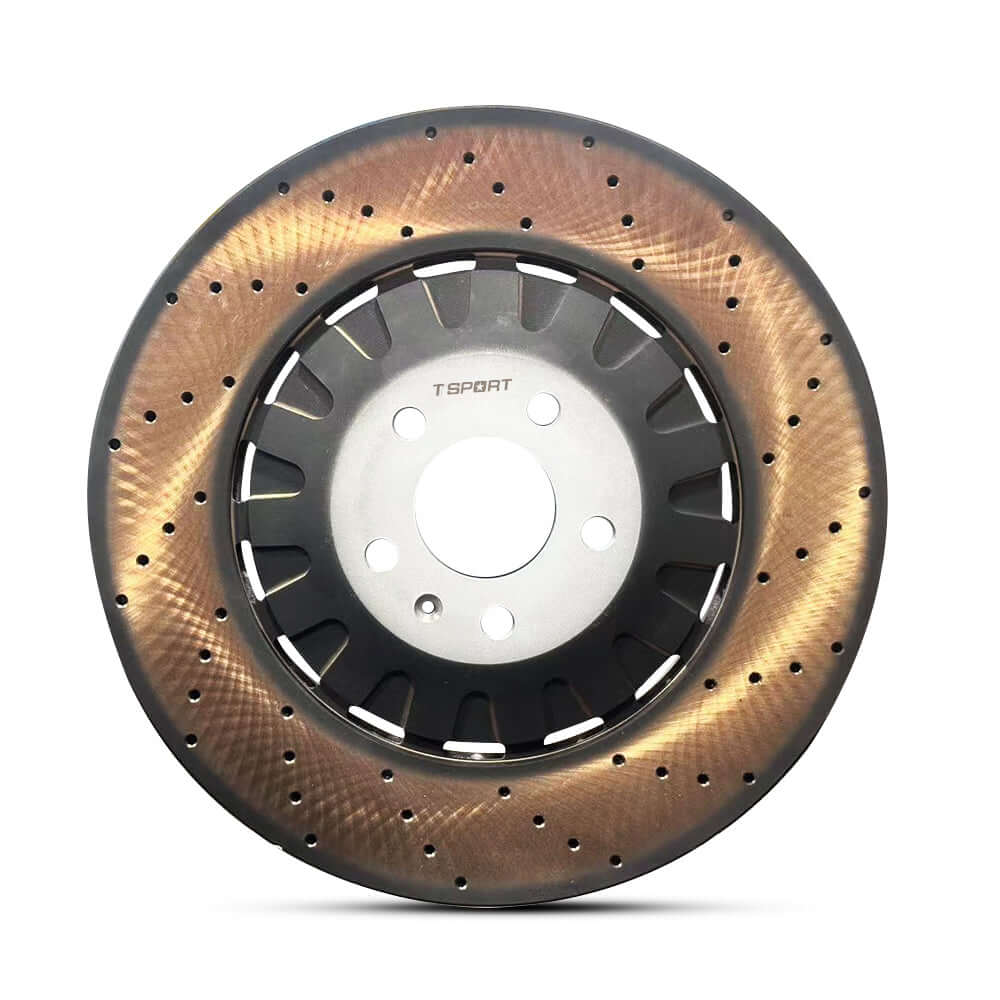
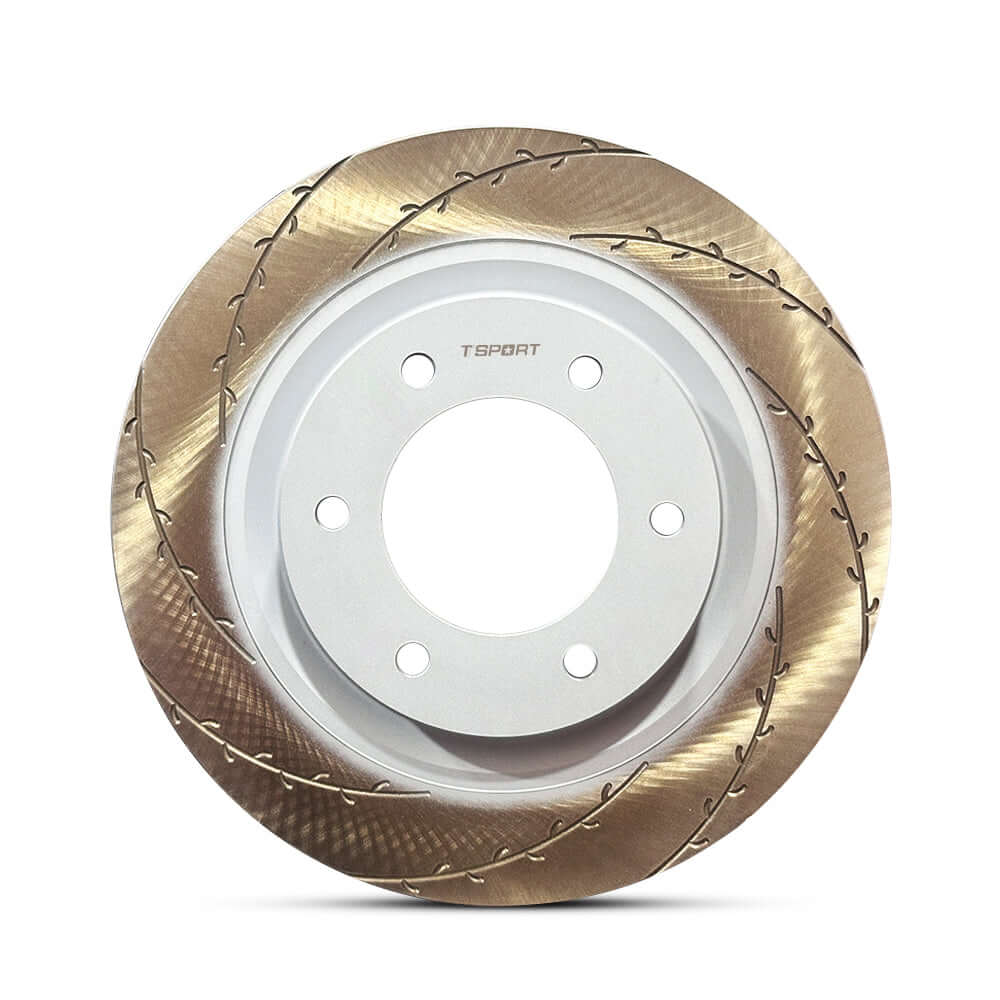
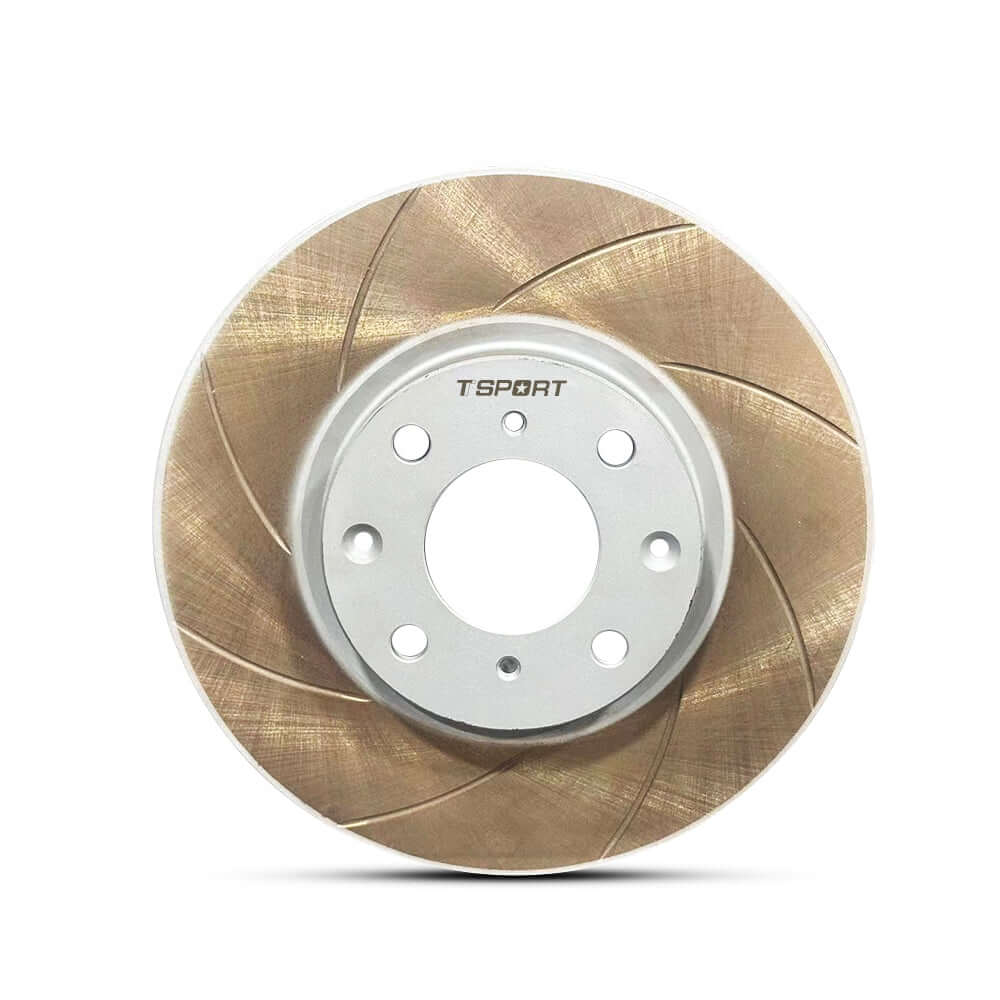
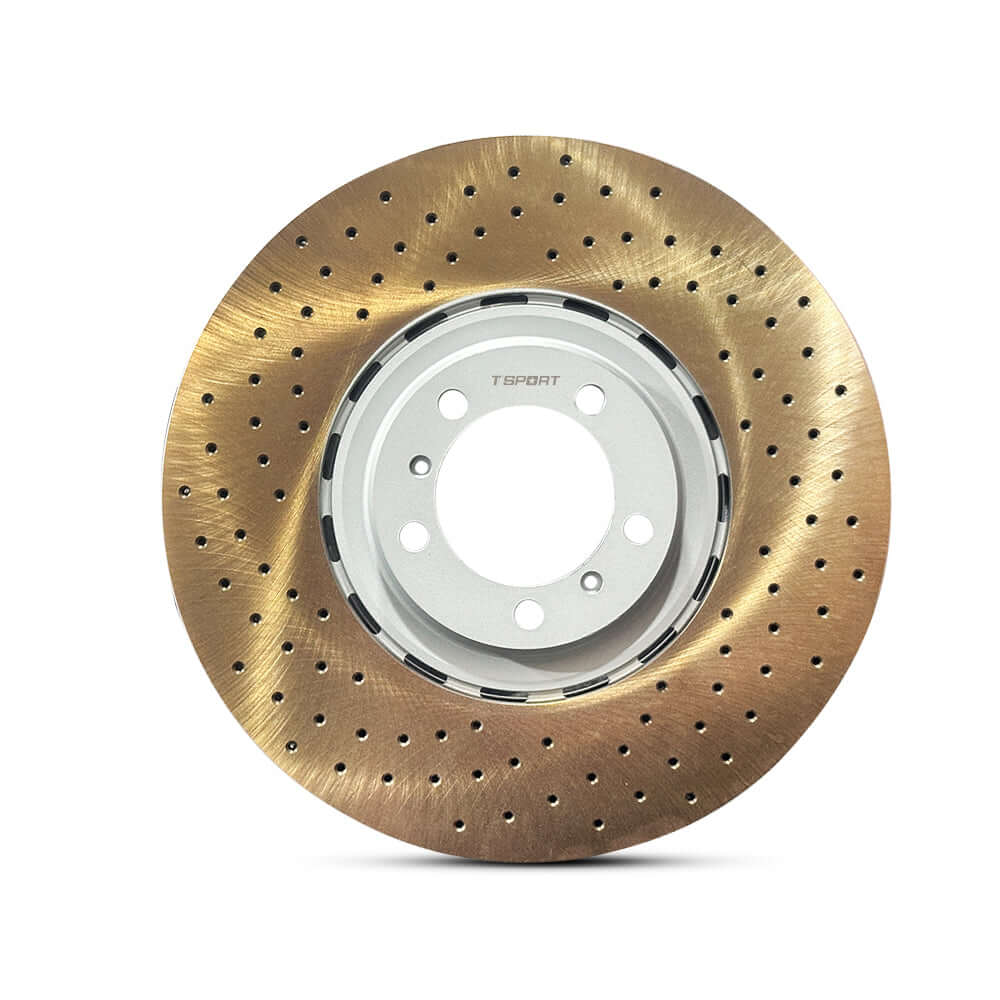
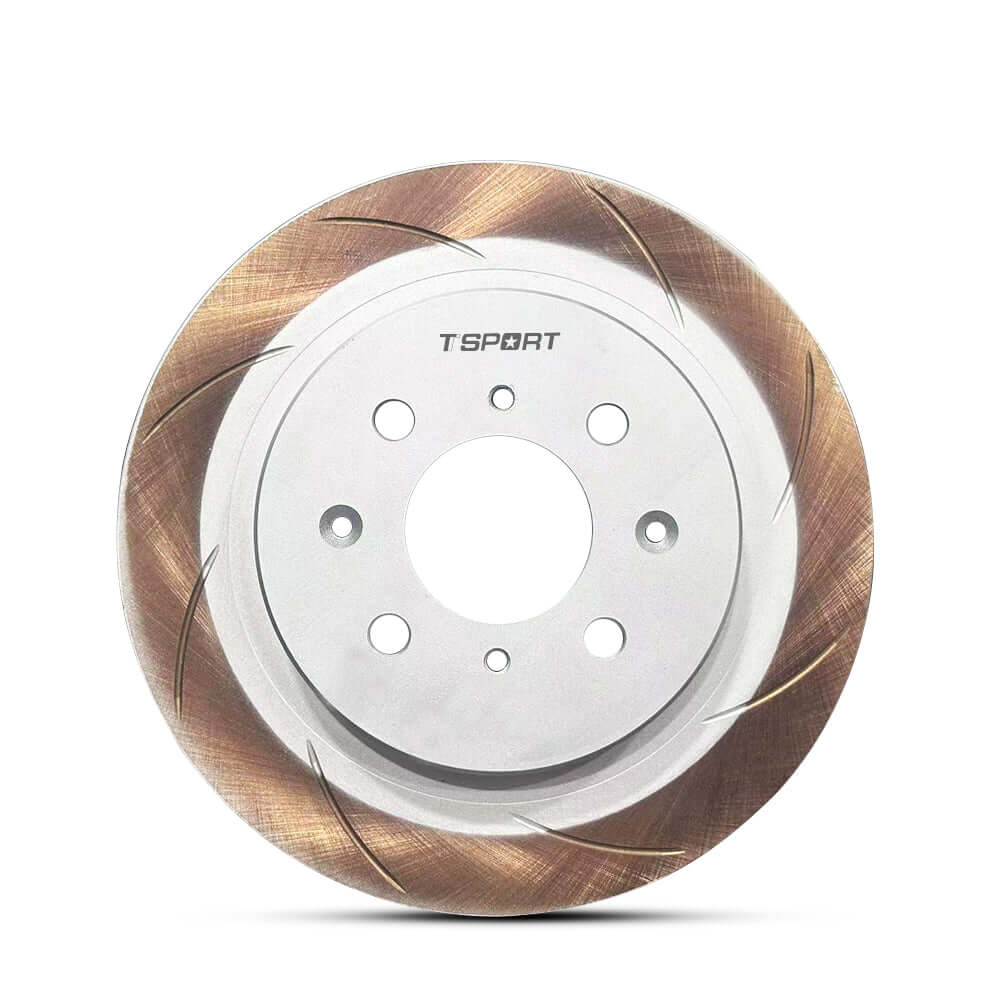
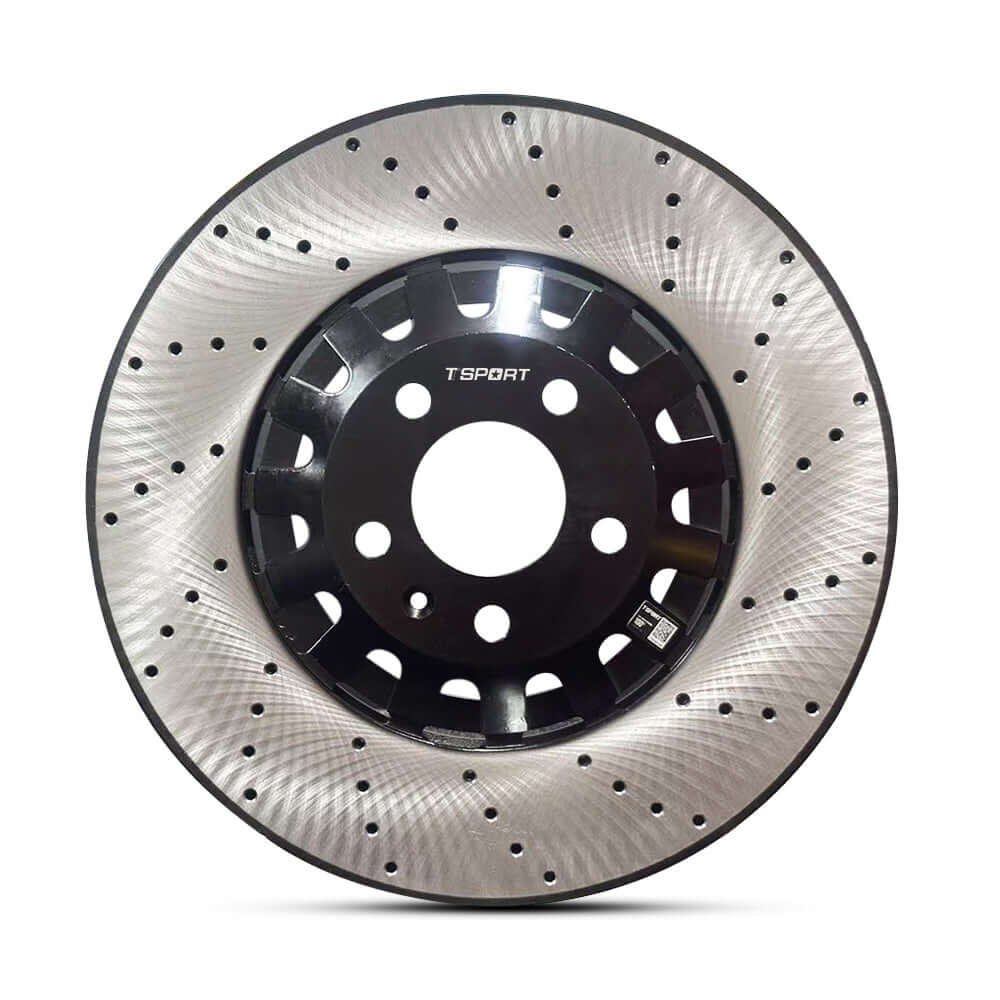
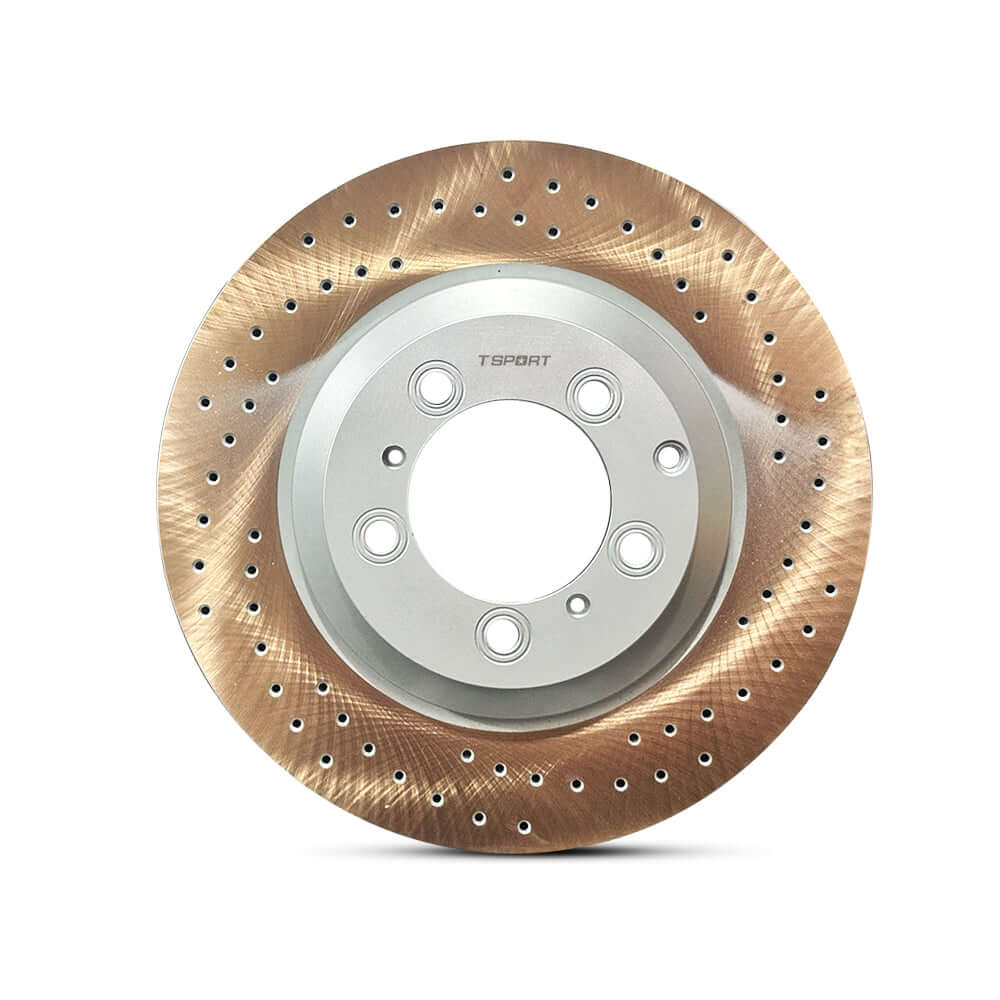
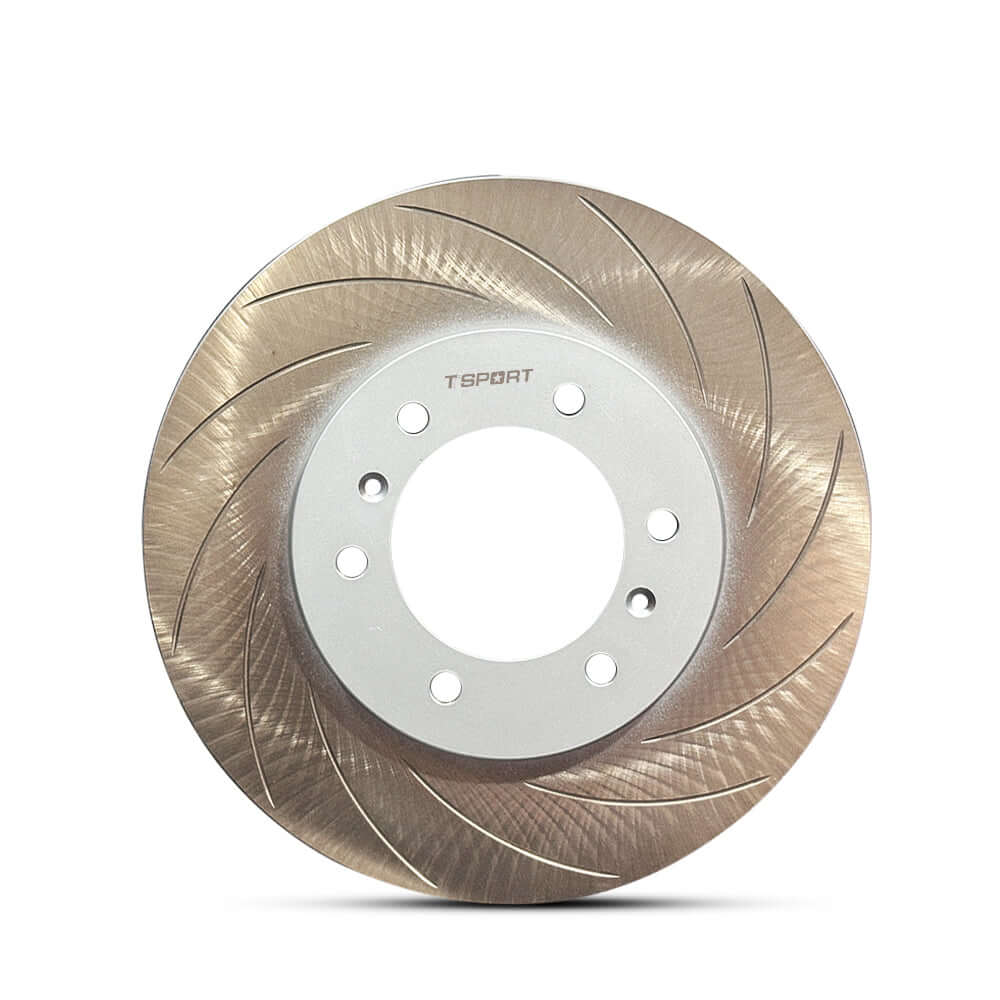
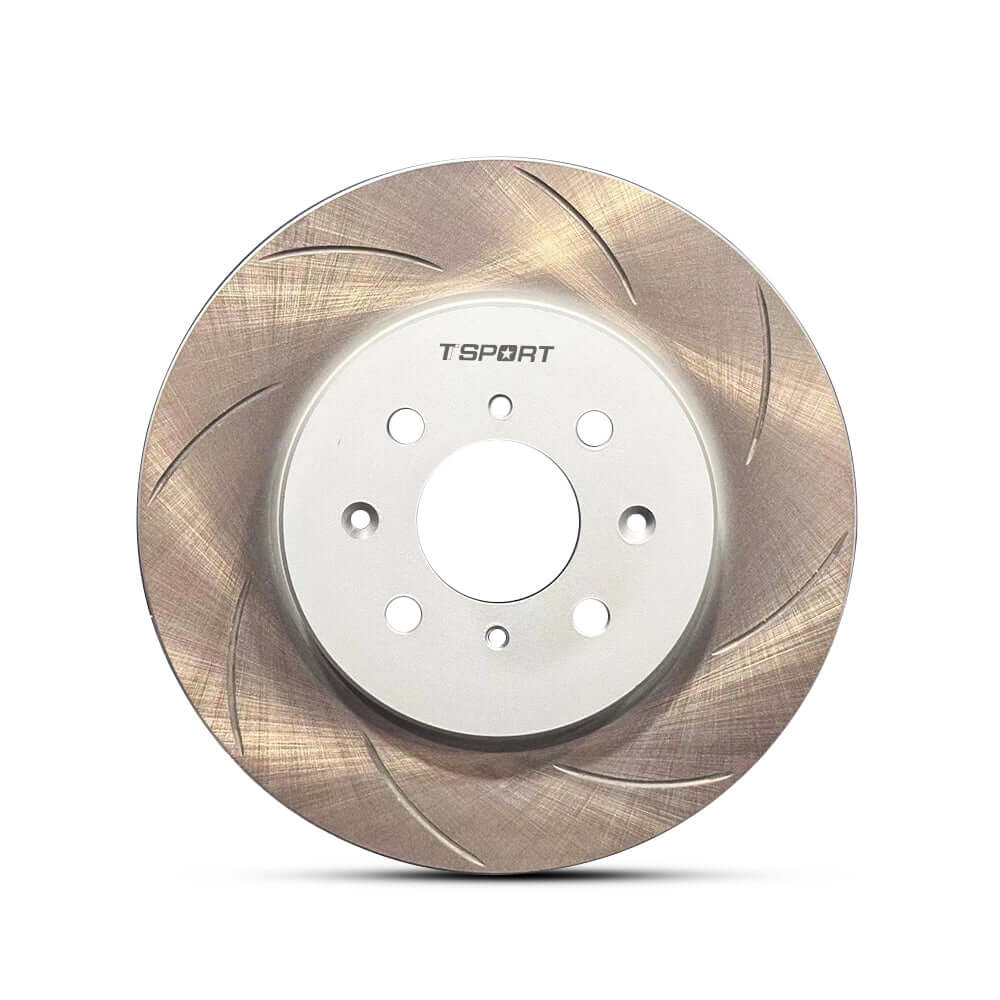
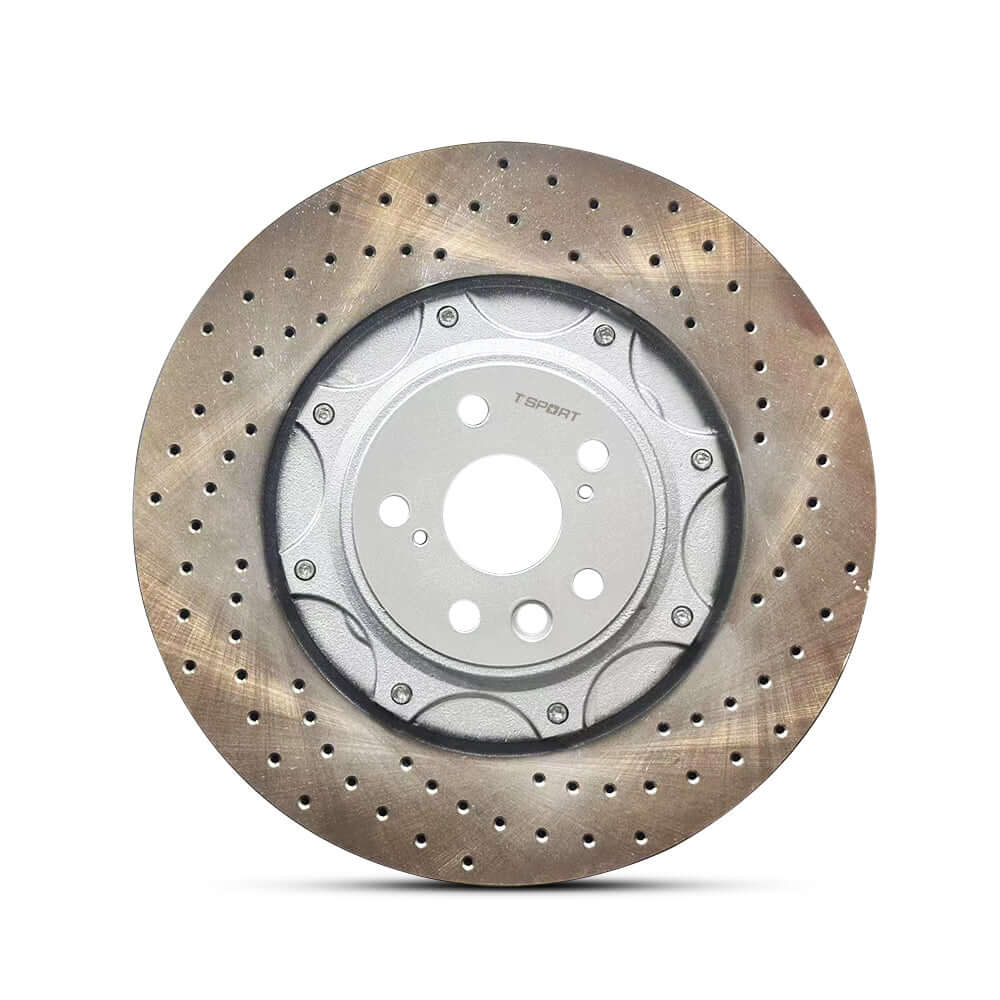
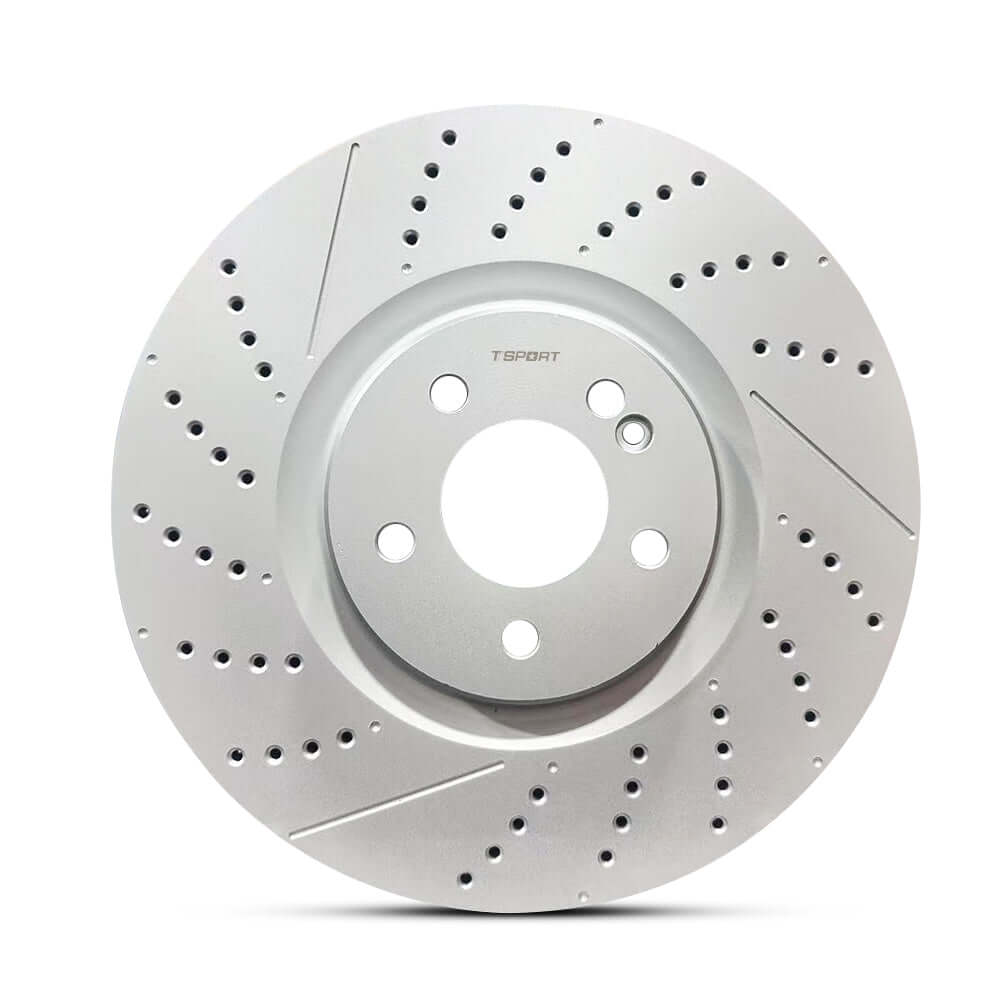
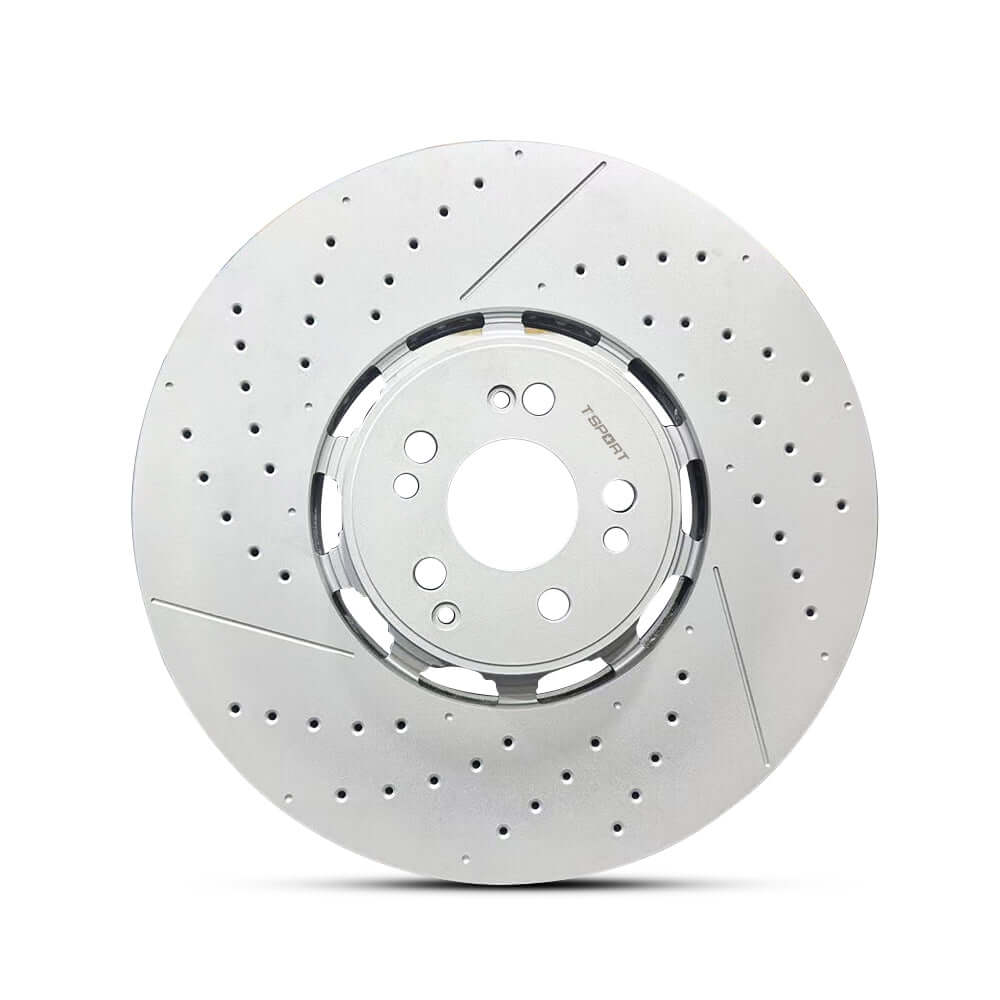
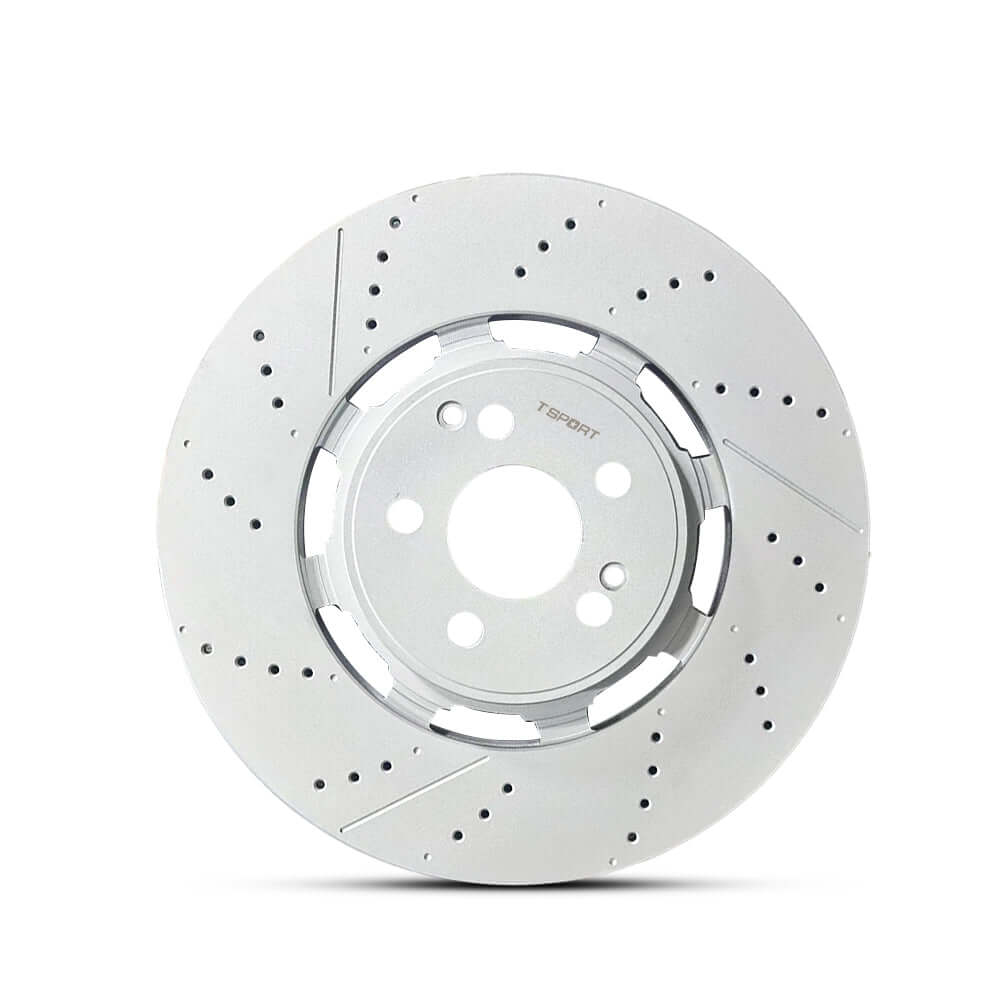
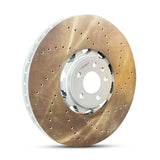
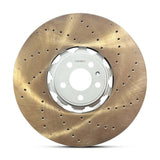
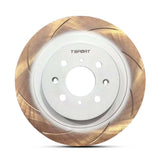
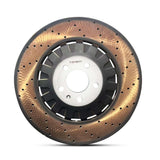
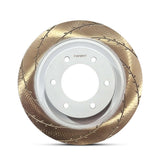
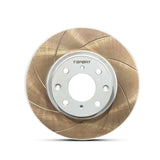
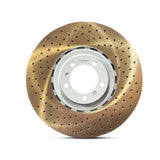
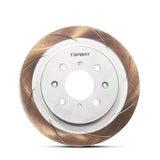
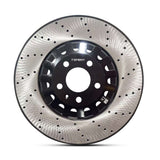
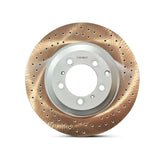
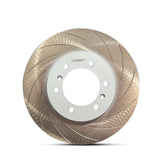
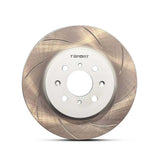
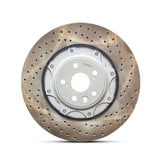
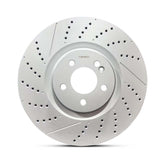
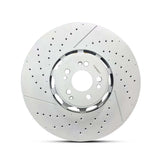
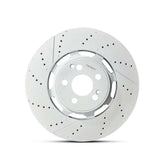


Costruzione in ghisa ad alto contenuto di carbonio
Le superfici di attrito rimangono più dimensionalmente stabili con l'aumento della temperatura dei freni, riducendo il pulsante del pedale legato alla deformazione termica.

Email: sales@ttsport-racing.com
Valuta
 AED
AED
 AFN
AFN
 ALL
ALL
 AMD
AMD
 ANG
ANG
 AUD
AUD
 AWG
AWG
 AZN
AZN
 BAM
BAM
 BBD
BBD
 BDT
BDT
 BIF
BIF
 BND
BND
 BOB
BOB
 BSD
BSD
 BWP
BWP
 BZD
BZD
 CAD
CAD
 CDF
CDF
 CHF
CHF
 CNY
CNY
 CRC
CRC
 CVE
CVE
 CZK
CZK
 DJF
DJF
 DKK
DKK
 DOP
DOP
 DZD
DZD
 EGP
EGP
 ETB
ETB
 EUR
EUR
 FJD
FJD
 FKP
FKP
 GBP
GBP
 GMD
GMD
 GNF
GNF
 GTQ
GTQ
 GYD
GYD
 HKD
HKD
 HNL
HNL
 HUF
HUF
 IDR
IDR
 ILS
ILS
 INR
INR
 ISK
ISK
 JMD
JMD
 JPY
JPY
 KES
KES
 KGS
KGS
 KHR
KHR
 KMF
KMF
 KRW
KRW
 KYD
KYD
 KZT
KZT
 LAK
LAK
 LBP
LBP
 LKR
LKR
 MAD
MAD
 MDL
MDL
 MKD
MKD
 MMK
MMK
 MNT
MNT
 MOP
MOP
 MUR
MUR
 MVR
MVR
 MWK
MWK
 MYR
MYR
 NGN
NGN
 NIO
NIO
 NPR
NPR
 NZD
NZD
 PEN
PEN
 PGK
PGK
 PHP
PHP
 PKR
PKR
 PLN
PLN
 PYG
PYG
 QAR
QAR
 RON
RON
 RSD
RSD
 RWF
RWF
 SAR
SAR
 SBD
SBD
 SEK
SEK
 SGD
SGD
 SHP
SHP
 SLL
SLL
 STD
STD
 THB
THB
 TJS
TJS
 TOP
TOP
 TTD
TTD
 TWD
TWD
 TZS
TZS
 UAH
UAH
 UGX
UGX
 USD
USD
 UYU
UYU
 UZS
UZS
 VND
VND
 VUV
VUV
 WST
WST
 XAF
XAF
 XCD
XOF
XPF
XCD
XOF
XPF
 YER
YER
Dischi freno · Stile OEM · Adattamento diretto · Uso stradale e quotidiano
I dischi freno in ghisa ad alto contenuto di carbonio TTSPORT sono una sostituzione più resistente e termicamente stabile rispetto ai dischi di fabbrica usurati — senza modificare il layout di montaggio originale. Realizzati per guidatori quotidiani che desiderano un rodaggio più pulito, frenate più silenziose e una migliore resistenza alla deformazione termica rispetto a un disco economico.
Le superfici di attrito rimangono più dimensionalmente stabili con l'aumento della temperatura dei freni, riducendo il pulsante del pedale legato alla deformazione termica.
Supporta una sensazione di pedale costante e una risposta prevedibile durante le frenate ripetute.
Favorisce un trasferimento uniforme della pastiglia durante il rodaggio per un rodaggio più pulito e un funzionamento più silenzioso.
Protegge le superfici non di attrito durante la spedizione, lo stoccaggio e l'installazione; il rivestimento sulla superficie di contatto con le pastiglie si consuma naturalmente durante i primi frenaggi.
Sostituzione ad adattamento diretto che mantiene il layout originale della pinza e del supporto.
La formulazione in ghisa ad alto contenuto di carbonio aumenta l'attenuazione rispetto alla ghisa grigia standard, contribuendo a ridurre il cigolio dei freni e il rumore ad alta frequenza. Combinato con una finitura lavorata di precisione, il disco supporta un ciclo di rodaggio più fluido e un comportamento più costante della superficie di attrito durante le frenate stradali ripetute.
| Disco del Freno | |
|---|---|
| Serie | Serie di dischi di sostituzione ad adattamento diretto OEM-Upgrade |
| Materiale del disco | Ghisa ad alto contenuto di carbonio |
| Costruzione | Monoblocco |
| Superficie di attrito | Scanalata e lavorata di precisione |
| Finitura | Rivestimento antiruggine Dacromet dorato |
| Fan di Goblincore: | Montaggio in stile OEM / adattamento diretto |
| Uso previsto | Strada e guida quotidiana |
Diametro, spessore, schema di foratura e posizione dell'asse variano a seconda dell'applicazione. Confermare la compatibilità con il nostro team prima dell'ordine.
Questa pagina prodotto descrive solo i dischi freno di ricambio. Pinze, pastiglie, tubi dei freni, supporti, cappucci dei dischi e hardware di montaggio non sono inclusi a meno che non siano specificati separatamente nell'ordine finale.
Sì. Questi dischi utilizzano un layout di montaggio in stile OEM e sono destinati come upgrade diretto rispetto a un disco di serie o economico. Confermare le dimensioni e la compatibilità esatte per il proprio veicolo prima dell'ordine.
La formulazione ad alto contenuto di carbonio migliora la stabilità termica e l'attenuazione interna. Ciò aiuta a ridurre la pulsazione del pedale causata dalla deformazione termica e a diminuire il rischio di cigolio rispetto a un disco in ghisa grigia di base.
È un rivestimento antiruggia Dacromet che protegge il disco durante la spedizione, lo stoccaggio e l'installazione. Il rivestimento sull'area di contatto della pastiglia si usura naturalmente durante le prime frenate; quello su mozzi, alette e bordi rimane per una protezione antiruggia a lungo termine.
No. Sono progettati per uso stradale e quotidiano come upgrade OEM. Per un uso aggressivo in pista, è più appropriato un disco performance con scanalature dedicate o a due pezzi.
Si consiglia vivamente di installare pastiglie nuove insieme ai nuovi dischi e di seguire una corretta procedura di rodaggio per creare uno strato di trasferimento uniforme della pastiglia.
Invia il modello, l'anno, la versione, la posizione dell'asse, il diametro del disco, lo spessore e lo schema di foratura del tuo veicolo. TTSPORT aiuterà a confermare la specifica corretta del disco prima dell'ordine.
Brake Rotors · Fitment · Installation · Bedding · Care Guide
Brake rotors are not just round discs that bolt behind the wheel. Rotor diameter, thickness, offset, vane direction, surface pattern, material, coating, hat design, pad compound, and driving use all affect fitment and performance.
This guide explains how to choose, install, bed in, inspect, and care for TTSPORT brake rotors so the rotor and pad system works as intended.
Do not order rotors by appearance or diameter alone. Two rotors can look similar but use different offsets, hub registers, vane directions, bolt patterns, thicknesses, or hat designs.
Brake rotors are application-specific. A wrong rotor offset or thickness can misalign the caliper, create pad overhang, cause vibration, or prevent wheel clearance.
The best rotor is the one matched to the vehicle and driving use. Surface pattern alone does not make a rotor better.
Best for quiet daily use, low NVH, and smooth pad wear. A good choice for commuting and OE-style replacement.
Designed to keep the pad interface active and help clear dust, gas, and water film. Expect more pad wear than a smooth street rotor.
Often chosen for appearance and wet-weather surface clearing. For hard track use, confirm the rotor design is approved for sustained heat.
Use a separate friction ring and rotor hat to reduce weight and allow ring replacement when the hat remains within service limits.
Used for better thermal stability and damping compared with basic gray-iron replacement rotors.
Require compatible pads, correct bedding, and strict fitment confirmation. Do not treat CCB rotors like standard iron rotors.
Rotor installation quality directly affects pedal feel, vibration, pad wear, and service life. A premium rotor installed on a dirty hub can still develop brake judder.
Safety: Do not install a rotor if the hub face is dirty, the rotor does not sit flat, the direction is unclear, or the caliper does not center correctly over the disc.
The hub must be clean and flat. Rust or debris between the hub and rotor can create lateral runout and brake vibration.
Confirm left / right orientation if the rotor uses directional vanes, directional slots, directional drilling, or asymmetric cooling design.
Measure rotor runout if possible, especially on performance applications or vehicles with previous vibration complaints.
Check that the pad sweeps correctly across the friction face and does not overhang the rotor edge or hat area.
Confirm wheel spoke and barrel clearance after the rotor and caliper are installed. Rotor size changes can affect final caliper position.
Torque wheel nuts, caliper bolts, bracket bolts, and two-piece rotor hardware to the required specification. Do not guess torque values.
Two-piece rotors need additional inspection because the friction ring, hat, and mounting hardware work together as a serviceable assembly.
A two-piece rotor is not automatically floating. Floating behavior depends on the hat, friction ring, bobbins, fasteners, and assembly design.
Bedding is required for new rotors and pads. The goal is to create an even pad material transfer layer on the rotor surface and gradually heat-stabilize the rotor before full-load use.
Street pads, race pads, carbon ceramic pads, iron rotors, two-piece rotors, and CCB rotors may require different bedding procedures. Use the supplied TTSPORT procedure for the specific system.
After the initial bedding cycle, give the rotor and pad pair time to settle. Avoid treating a fresh brake setup like a fully heat-cycled race system on day one.
Rotors are wear items. Inspect them more often if the vehicle sees track use, mountain roads, towing, winter salt, off-road use, or aggressive pad compounds.
Do not run rotors below minimum thickness. Thin rotors have reduced heat capacity and can compromise braking safety.
Do not continue driving if the brake system shows any of the following symptoms. Inspect the system or contact a qualified brake technician before using the vehicle again.
Send your vehicle details, current rotor size, caliper model, wheel specs, pad compound, driving use, and any symptoms you notice. TTSPORT will help confirm the correct rotor type and care path for your setup.
Grazie per aver sottoscritto!
Questa email è stata registrata!