


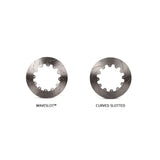


Hochkarbonstahl-Formulierung
Für verbesserte thermische Stabilität bei wiederholten Hochtemperaturbremszyklen entwickelt.

E-Mail: sales@ttsport-racing.com
Währung
 AED
AED
 AFN
AFN
 ALL
ALL
 AMD
AMD
 ANG
ANG
 AUD
AUD
 AWG
AWG
 AZN
AZN
 BAM
BAM
 BBD
BBD
 BDT
BDT
 BIF
BIF
 BND
BND
 BOB
BOB
 BSD
BSD
 BWP
BWP
 BZD
BZD
 CAD
CAD
 CDF
CDF
 CHF
CHF
 CNY
CNY
 CRC
CRC
 CVE
CVE
 CZK
CZK
 DJF
DJF
 DKK
DKK
 DOP
DOP
 DZD
DZD
 EGP
EGP
 ETB
ETB
 EUR
EUR
 FJD
FJD
 FKP
FKP
 GBP
GBP
 GMD
GMD
 GNF
GNF
 GTQ
GTQ
 GYD
GYD
 HKD
HKD
 HNL
HNL
 HUF
HUF
 IDR
IDR
 ILS
ILS
 INR
INR
 ISK
ISK
 JMD
JMD
 JPY
JPY
 KES
KES
 KGS
KGS
 KHR
KHR
 KMF
KMF
 KRW
KRW
 KYD
KYD
 KZT
KZT
 LAK
LAK
 LBP
LBP
 LKR
LKR
 MAD
MAD
 MDL
MDL
 MKD
MKD
 MMK
MMK
 MNT
MNT
 MOP
MOP
 MUR
MUR
 MVR
MVR
 MWK
MWK
 MYR
MYR
 NGN
NGN
 NIO
NIO
 NPR
NPR
 NZD
NZD
 PEN
PEN
 PGK
PGK
 PHP
PHP
 PKR
PKR
 PLN
PLN
 PYG
PYG
 QAR
QAR
 RON
RON
 RSD
RSD
 RWF
RWF
 SAR
SAR
 SBD
SBD
 SEK
SEK
 SGD
SGD
 SHP
SHP
 SLL
SLL
 STD
STD
 THB
THB
 TJS
TJS
 TOP
TOP
 TTD
TTD
 TWD
TWD
 TZS
TZS
 UAH
UAH
 UGX
UGX
 USD
USD
 UYU
UYU
 UZS
UZS
 VND
VND
 VUV
VUV
 WST
WST
 XAF
XAF
 XCD
XOF
XPF
XCD
XOF
XPF
 YER
YER
Bremsrotor-Reibungsring · WaveSlot · Für Renn- & Wettbewerbsnutzung
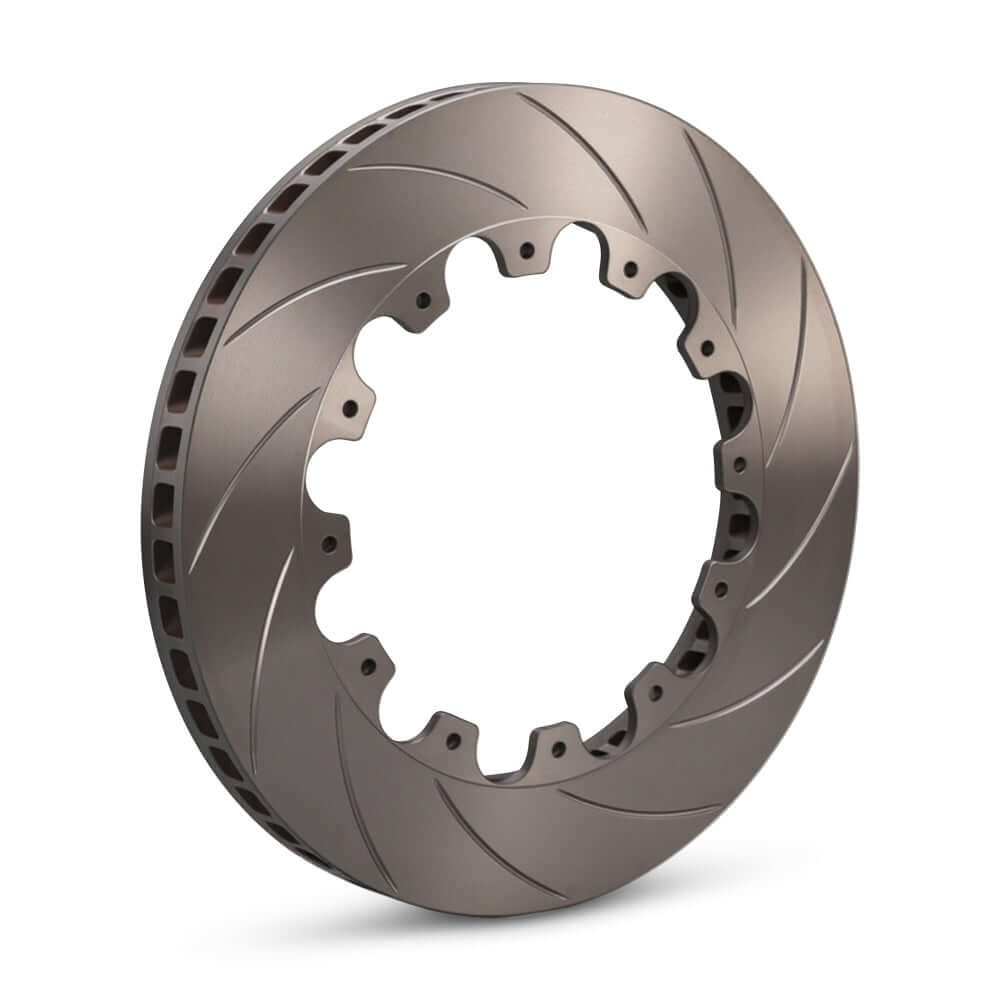
Ein Renn-Qualität Hochkarbonstahl-Bremsrotor-Reibungsring, der für wiederholte Hochtemperaturzyklen, stabiles Pedalgefühl und konsistentes Reibungsverhalten bei anspruchsvollen Rennstreckensessions entwickelt wurde.
Dieser Reibungsring ist auf kontrolliertes Hitze-Management und Stabilität der Reibungsfläche ausgelegt. Die Hochkarbonstahl-Formulierung verbessert die Resistenz gegen Verformung, Hitzeprüfungen und stressbedingte Risse, die bei Standardersatzrotoren im Wettbewerb auftreten können. Das Ergebnis ist ein vorhersehbares Pedalgefühl und eine Reibungsfläche, die auch bei langen Bremsereignissen standhält.
Das WaveSlot-Muster wird maschinell bearbeitet, um die Kontaktfläche der Bremsbeläge aktiv zu halten, indem wiederholte führende Kanten beim Rotordreh erzeugt werden. Es hilft, Bremsstaub, Gase und Oberflächenkontaminationen zwischen Belag und Rotor zu entfernen, was eine gleichmäßigere Kontaktfläche bei aggressivem Bremsen unterstützt. Für beste Ergebnisse mit der richtigen Rennbelagsmischung und einer geeigneten Einfahrprozedur kombinieren.
Für verbesserte thermische Stabilität bei wiederholten Hochtemperaturbremszyklen entwickelt.
Die maschinell gefertigte Schlitzmuster hilft, die Belagsschnittstelle aktiv zu halten und unterstützt die Ablagerung von Schmutz und Ablagerungen.
Für geringes Laufspiel und ein gleichmäßiges Pedalgefühl ausgelegt, wenn mit dem passenden Hut und Sattel montiert.
Entwickelt, um die Resistenz gegen Hitzeprüfungen und stressbedingte Risse unter Belastung zu verbessern.
Als Ersatz-Reibungsring für bestehende Wettbewerbs-Setups oder maßgeschneiderte Zweiteiliger-Rotoren geeignet.
| Bremsscheiben-Reibungsring | |
|---|---|
| Produkttyp | Rennsport-tauglicher Bremsscheibenring / Reibring |
| Material | Hochkohlenstoffstahl |
| Reibfläche | WaveSlot-Muster |
| Verwendungszweck | Track- und Wettbewerbsbremsen |
| Konfiguration | Reibring für bestehende Aufbauten oder individuelle Zweiteiliger-Assemblies |
| Empfohlene Kombination | TTSPORT Gussaluminium-Rotorhüte; Rennbelagsmischungen |
Der exakte Durchmesser, die Dicke, die Flügelzahl und das Befestigungsmuster hängen von der gewählten Variante ab. Überprüfen Sie die Maße vor der Bestellung mit Ihrem bestehenden Bremssattel und Rotorhut.
Diese Produktseite beschreibt nur den Renn-Reibungsring. Rotorhüte, Bobs / Befestigungsmaterial, Bremsbeläge, Sättel, Bremsleitungen und komplette Zweiteiliger-Rotoren sind nicht enthalten, es sei denn, sie sind separat in der Bestellung spezifiziert.
Dieser Rotor wird als Reibring angeboten, was ihn zu einer direkten Option für Fahrer macht, die abgenutzte Ringe in bestehenden Zweiteiliger-Assemblies ersetzen oder eine individuelle Konfiguration bauen möchten. Mit TTSPORT Gussaluminium-Rotorhüten kombinieren, um einen funktionstüchtigen, gewichtssparenden Zweiteiliger-Rotor zu vervollständigen.
Nein. Es wird als Reibring verkauft. Mit kompatiblen TTSPORT Gussaluminium-Rotorhüten kombinieren, um eine vollständige Zweiteiliger-Assembly zu bauen.
Hochkohlenstoffstahl, ausgewählt für thermische Stabilität und Widerstand gegen Hitzeprüfungen bei wiederholten Hochtemperaturbremszyklen.
Geschlitzte Reibflächen verschleißen Beläge in der Regel schneller als glatte Rotoren. Das ist bei einem auf die Rennstrecke ausgelegten Rotor zu erwarten und stellt den Kompromiss für aktive Belagsschnittstellen und Ablagerungsausleitung dar.
Er ist für Rennbelagsmischungen ausgelegt. Straßenbeläge funktionieren mechanisch, bieten aber nicht die Hitzeverträglichkeit oder das Reibungsverhalten, für das dieser Rotor gebaut wurde.
Durchmesser, Dicke und Befestigungsmuster variieren je nach Variante. Maße vor der Bestellung mit Ihrem Bremssattel und Rotorhütchen prüfen oder uns mit Ihren Setup-Details kontaktieren.
Senden Sie Ihren Rotor-Durchmesser, Dicke, Flügeltyp, Befestigungsmuster, Rotorhut-Spezifikation, Sattelmodell und Belagszusammensetzung. TTSPORT hilft Ihnen, zu bestätigen, ob dieser Reibungsring zu Ihrem Setup passt.
Brake Rotors · Fitment · Installation · Bedding · Care Guide
Brake rotors are not just round discs that bolt behind the wheel. Rotor diameter, thickness, offset, vane direction, surface pattern, material, coating, hat design, pad compound, and driving use all affect fitment and performance.
This guide explains how to choose, install, bed in, inspect, and care for TTSPORT brake rotors so the rotor and pad system works as intended.
Do not order rotors by appearance or diameter alone. Two rotors can look similar but use different offsets, hub registers, vane directions, bolt patterns, thicknesses, or hat designs.
Brake rotors are application-specific. A wrong rotor offset or thickness can misalign the caliper, create pad overhang, cause vibration, or prevent wheel clearance.
The best rotor is the one matched to the vehicle and driving use. Surface pattern alone does not make a rotor better.
Best for quiet daily use, low NVH, and smooth pad wear. A good choice for commuting and OE-style replacement.
Designed to keep the pad interface active and help clear dust, gas, and water film. Expect more pad wear than a smooth street rotor.
Often chosen for appearance and wet-weather surface clearing. For hard track use, confirm the rotor design is approved for sustained heat.
Use a separate friction ring and rotor hat to reduce weight and allow ring replacement when the hat remains within service limits.
Used for better thermal stability and damping compared with basic gray-iron replacement rotors.
Require compatible pads, correct bedding, and strict fitment confirmation. Do not treat CCB rotors like standard iron rotors.
Rotor installation quality directly affects pedal feel, vibration, pad wear, and service life. A premium rotor installed on a dirty hub can still develop brake judder.
Safety: Do not install a rotor if the hub face is dirty, the rotor does not sit flat, the direction is unclear, or the caliper does not center correctly over the disc.
The hub must be clean and flat. Rust or debris between the hub and rotor can create lateral runout and brake vibration.
Confirm left / right orientation if the rotor uses directional vanes, directional slots, directional drilling, or asymmetric cooling design.
Measure rotor runout if possible, especially on performance applications or vehicles with previous vibration complaints.
Check that the pad sweeps correctly across the friction face and does not overhang the rotor edge or hat area.
Confirm wheel spoke and barrel clearance after the rotor and caliper are installed. Rotor size changes can affect final caliper position.
Torque wheel nuts, caliper bolts, bracket bolts, and two-piece rotor hardware to the required specification. Do not guess torque values.
Two-piece rotors need additional inspection because the friction ring, hat, and mounting hardware work together as a serviceable assembly.
A two-piece rotor is not automatically floating. Floating behavior depends on the hat, friction ring, bobbins, fasteners, and assembly design.
Bedding is required for new rotors and pads. The goal is to create an even pad material transfer layer on the rotor surface and gradually heat-stabilize the rotor before full-load use.
Street pads, race pads, carbon ceramic pads, iron rotors, two-piece rotors, and CCB rotors may require different bedding procedures. Use the supplied TTSPORT procedure for the specific system.
After the initial bedding cycle, give the rotor and pad pair time to settle. Avoid treating a fresh brake setup like a fully heat-cycled race system on day one.
Rotors are wear items. Inspect them more often if the vehicle sees track use, mountain roads, towing, winter salt, off-road use, or aggressive pad compounds.
Do not run rotors below minimum thickness. Thin rotors have reduced heat capacity and can compromise braking safety.
Do not continue driving if the brake system shows any of the following symptoms. Inspect the system or contact a qualified brake technician before using the vehicle again.
Send your vehicle details, current rotor size, caliper model, wheel specs, pad compound, driving use, and any symptoms you notice. TTSPORT will help confirm the correct rotor type and care path for your setup.
Danke fürs Abonnieren!
Diese E-Mail wurde registriert!