


التوقفات الباردة
استجابة متوقعة من التوقف الأول، مع إحساس دواسة محسّن للاستخدام في المدينة والطريق السريع.

البريد الإلكتروني: sales@ttsport-racing.com
عملة
 AED
AED
 AFN
AFN
 ALL
ALL
 AMD
AMD
 ANG
ANG
 AUD
AUD
 AWG
AWG
 AZN
AZN
 BAM
BAM
 BBD
BBD
 BDT
BDT
 BIF
BIF
 BND
BND
 BOB
BOB
 BSD
BSD
 BWP
BWP
 BZD
BZD
 CAD
CAD
 CDF
CDF
 CHF
CHF
 CNY
CNY
 CRC
CRC
 CVE
CVE
 CZK
CZK
 DJF
DJF
 DKK
DKK
 DOP
DOP
 DZD
DZD
 EGP
EGP
 ETB
ETB
 EUR
EUR
 FJD
FJD
 FKP
FKP
 GBP
GBP
 GMD
GMD
 GNF
GNF
 GTQ
GTQ
 GYD
GYD
 HKD
HKD
 HNL
HNL
 HUF
HUF
 IDR
IDR
 ILS
ILS
 INR
INR
 ISK
ISK
 JMD
JMD
 JPY
JPY
 KES
KES
 KGS
KGS
 KHR
KHR
 KMF
KMF
 KRW
KRW
 KYD
KYD
 KZT
KZT
 LAK
LAK
 LBP
LBP
 LKR
LKR
 MAD
MAD
 MDL
MDL
 MKD
MKD
 MMK
MMK
 MNT
MNT
 MOP
MOP
 MUR
MUR
 MVR
MVR
 MWK
MWK
 MYR
MYR
 NGN
NGN
 NIO
NIO
 NPR
NPR
 NZD
NZD
 PEN
PEN
 PGK
PGK
 PHP
PHP
 PKR
PKR
 PLN
PLN
 PYG
PYG
 QAR
QAR
 RON
RON
 RSD
RSD
 RWF
RWF
 SAR
SAR
 SBD
SBD
 SEK
SEK
 SGD
SGD
 SHP
SHP
 SLL
SLL
 STD
STD
 THB
THB
 TJS
TJS
 TOP
TOP
 TTD
TTD
 TWD
TWD
 TZS
TZS
 UAH
UAH
 UGX
UGX
 USD
USD
 UYU
UYU
 UZS
UZS
 VND
VND
 VUV
VUV
 WST
WST
 XAF
XAF
 XCD
XOF
XPF
XCD
XOF
XPF
 YER
YER
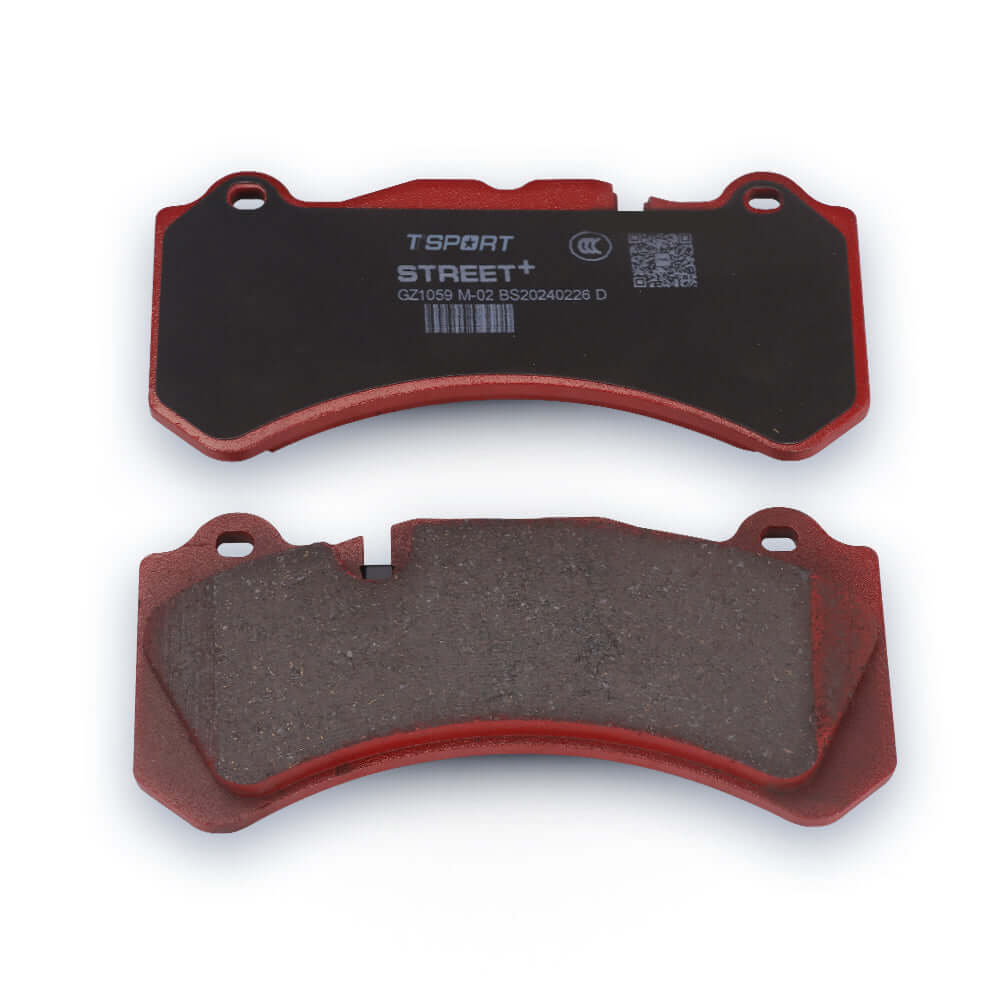
وسادات الفرامل · مركب M-02 · أداء الشارع
يعد مركب TTSPORT M-02 سيراميك لأداء الشارع مخصصًا للسائقين اليوميين الذين يرغبون في توقف واثق، غبار عجلات منخفض، وتشغيل هادئ دون التضحية بالعضة أثناء القيادة النشطة على الطرق الخلفية.
يتم معايرة مركب M-02 لدرجات حرارة الطرق العادية. من التوقف الأول البارد في الصباح إلى الكبح المتكرر في حركة المرور المتقطعة، يظل دواسة الفرامل خطيًا ومتوقعًا. هذا منتج مخصص للشارع — غير مصمم لجلسات الحلبة المستمرة، أو دورات الحرارة في السباقات السريعة، أو الاستخدام العدواني في HPDE.
مركب الشارع: تم تصميم مركب M-02 ليكون منخفض الغبار، منخفض الضوضاء، صديقًا للدوارات، ومريحًا للاستخدام اليومي. للسباقات، أو التوقيت، أو الكبح عالي السرعة المتكرر، اختر مركب TTSPORT بدرجة حرارة أعلى.
| مركب وسادة الفرامل | |
|---|---|
| السلسلة | سلسلة MT — أداء الشارع |
| المركب | مركب M-02 السيراميك-resin لوسادات الشارع |
| نوع المنتج | وسادات الفرامل / مركب الاحتكاك |
| الاستخدام المقصود | القيادة اليومية، التنقل، القيادة النشطة في الشارع |
| مستوى الغبار | منخفض |
| مستوى الضوضاء | منخفض |
| ارتداء القرص | منخفض / صديق للأقراص |
| نطاق درجة الحرارة | درجات حرارة التشغيل في الشارع |
| القرص الموصى به | دوارات من الحديد الزهر على الطراز الأصلي أو على نمط OE |
| غير مخصص لـ | أيام الحلبة، التوقيت، السباقات الصغيرة، HPDE، الكبح عالي السرعة المتكرر، أو الدوارات الكربون-السيراميك إلا إذا تم التأكيد عليها بشكل منفصل من قبل TTSPORT |
| تهيئة السطح (Bedding) | مطلوب لأفضل أداء وتشغيل هادئ |
صفحة المنتج هذه تصف فقط وسادات الفرامل. المكونات الأخرى مثل المكابح، أقراص الفرامل، خراطيم الفرامل، سائل الفرامل، الحوامل، أغطية الأقراص، حساسات التآكل، وأجهزة التركيب غير مشمولة إلا إذا تم تحديدها بشكل منفصل في الطلب النهائي.
استجابة متوقعة من التوقف الأول، مع إحساس دواسة محسّن للاستخدام في المدينة والطريق السريع.
السلوك منخفض الغبار والمنخفض الضوضاء يجعل M-02 أكثر ملاءمة للقيادة اليومية من المركبات المعدنية العدوانية أو المركبات الرياضية.
عضة واثقة للقيادة على الطرق الخلفية مع البقاء ضمن نطاق درجة حرارة موجه للشارع.
غير مصمم لتحمل حرارة الحلبة المستمرة. يمكن أن يتجاوز الكبح عالي السرعة المتكرر نطاق التشغيل المقصود للمركب.
نقل طبقة متساوية من مادة الاحتكاك إلى القرص ضروري لتحقيق الأداء الكامل والتشغيل الهادئ.
تخطي عملية التبريد المسبق هو أحد الأسباب الشائعة للصفير، أو طبقة النقل غير المتساوية، أو إحساس دواسة غير متسق على وسادة الشارع السيراميك الجديدة.
السلامة: يجب أن يتم تركيب وسادات الفرامل بواسطة فني مؤهل. تأكد من شكل الوسادة، ومواد القرص، وتوافق المكبس، وحالة نظام الكبح قبل القيادة.
إذا كنت تقسم وقتك بين الشارع والحلبة، قد يكون M-02 مريحًا جدًا. اختر M-02 للاستخدام اليومي الهادئ والعجلات النظيفة؛ اختر مركب TTSPORT بدرجة حرارة أعلى للسباقات، أو التوقيت، أو الكبح عالي السرعة المتكرر.
نعم. مركب الشارع السيراميك مصمم لإنتاج غبار أقل وضوحًا من الوسادات نصف المعدنية القياسية، مما يحافظ على نظافة العجلات بين عمليات الغسل.
لا. تم تصميم M-02 لدرجات حرارة الشارع. للسباقات على المضمار، أو التزحلق الأوتوكروس، أو القيادة على الطرق السريعة، أو الكبح العالي السرعة المتكرر، اختر مركب TTSPORT بدرجة حرارة أعلى مصمم لتحمل الحرارة المستمرة.
ليس بالضرورة. يعمل M-02 بشكل جيد مع الأقراص الأصلية أو الأقراص ذات الطراز الأصلي المصنوعة من الحديد المصبوب في حالة جيدة. إذا كانت الأقراص الموجودة مخدوشة، أو مشوهة، أو مغطاة بالزجاج، أو بها شقوق، أو أقل من الحد الأدنى للسُمك، فاستبدلها أو قم بصيانتها قبل تركيب الوسادات الجديدة.
تم ضبط M-02 للعمل بشكل هادئ على الطرقات. اتباع إجراء التمهد، وتنظيف مناطق اتصال الوسادة، واستخدام معدات ذات عزم شد مناسب يساعد على تقليل فرصة حدوث صوت الصرير.
خطط لقيادة مسيطرة لمدة حوالي 10–15 دقيقة باستخدام الإجراء أعلاه. تجنب التوقفات القوية أو إبقاء السيارة ثابتة على الوسادات الساخنة خلال أول عدة قيادات.
تم تصميم M-02 للأقراص المصنوعة من الحديد المصبوب ذات الطراز الأصلي أو المماثل. لا تستخدمه على الأقراص المصنوعة من السيراميك الكربوني إلا إذا أكد TTSPORT توافقه مع ذلك النوع المحدد من الأقراص ونظام الكالابر.
أرسل معلومات عن مركبتك، طراز الكالابر، نوع القرص، شكل الوسادة، وطبيعة القيادة. ستساعد TTSPORT في تأكيد ما إذا كانت M-02 هي مركب وسادة الفرامل المناسبة لسيارتك.
Brake Pads · Compound Selection · Bedding · Care Guide
Brake pads are not universal wear parts. Pad shape, compound, rotor material, caliper type, temperature window, noise tolerance, dust expectation, and driving use all matter. The right pad should match how the vehicle is actually driven, not just what fits inside the caliper.
This guide explains how to choose, install, bed in, and inspect TTSPORT brake pads so the compound works as intended.
Start with the exact vehicle and brake setup. A pad can look close and still have the wrong backing plate, thickness, sensor slot, or compound for the rotor material.
Do not order brake pads by vehicle name alone if the car has a big brake kit, swapped calipers, aftermarket rotors, or carbon ceramic brakes.
Be honest about the use case. A quiet daily pad and a track pad solve different problems. Choosing too aggressive a compound for street use can create noise, dust, poor cold bite, and unnecessary rotor wear. Choosing too mild a compound for track use can cause fade, glazing, and unstable pedal feel.
Prioritize cold bite, low noise, low dust, smooth release, and rotor-friendly wear. Ceramic or comfort-focused street compounds are usually the best fit.
Choose a compound with stronger bite and better heat tolerance while still keeping acceptable dust, noise, and cold-stop behavior.
Use a high-temperature compound designed for repeated hard braking. Expect more noise, dust, pad wear, and rotor wear.
Select based on surface, vehicle weight, tire grip, brake cooling, stint length, and whether consistent release or high initial bite matters more.
Pads and rotors work as a friction pair. The wrong pad can create poor bite, high wear, noise, uneven deposits, or rotor damage.
Important: Carbon ceramic rotors require compatible pad compounds and correct bedding. The wrong pad can damage the friction surface and reduce braking performance.
Every brake pad compound has a working temperature range. Street compounds are designed to work from cold and stay quiet during normal road use. Track compounds are designed to stay stable at higher temperatures, but may feel weak, noisy, or abrasive when cold.
Use the specific TTSPORT compound data for the final decision. Temperature range, friction coefficient, dust, noise, and rotor wear vary by compound.
Friction coefficient, often shown as μ, describes how strongly the pad grips the rotor under defined test conditions. Higher μ usually means stronger bite, but not automatically better street behavior.
Good for track, time attack, and late braking. Can feel grabby or noisy on the street.
Best for daily and performance street use where smooth modulation and predictable release matter.
Some compounds build bite as heat increases. Good for hard driving, but the driver must manage pedal pressure carefully.
Useful for trail braking, low-speed control, wet roads, off-road work, and mixed driving conditions.
There is no free compound. Higher heat capacity and stronger bite usually come with more dust, more noise, faster pad wear, or faster rotor wear. Low-dust, quiet pads are better for comfort but are not built for sustained track heat.
Brake pad installation should begin with inspection. New pads will not fix a damaged rotor, sticking caliper, seized guide pin, or contaminated brake system.
Safety: Brake pad installation should be completed by a qualified technician. Confirm pad fitment, rotor material, caliper condition, and brake-system safety before driving.
Bedding is required for stable bite, quiet operation, and consistent pedal feel. It creates a controlled transfer layer between the pad and rotor. Follow the exact TTSPORT compound procedure when supplied.
Street pads, race pads, and carbon ceramic pads may require different bedding methods. Do not use one generic bedding process for every compound.
Brake pads may continue to settle after the first bedding cycle. Pedal feel, dust output, and minor noise can change during the first drives.
Brake pads should be inspected regularly, especially after hard driving, mountain roads, towing, track use, winter salt exposure, or off-road use.
Do not continue driving if the brake system shows any of the following symptoms. Inspect the system or contact a qualified brake technician before using the vehicle again.
Send your vehicle details, caliper model, rotor material, pad shape, driving use, and any symptoms you notice. TTSPORT will help confirm the correct brake pad compound and care path for your setup.
شكرًا لاشتراكك!
تم تسجيل هذا البريد الإلكتروني!