




مكبس من قطعة واحدة مصبوب من الألمنيوم
جسم من الألمنيوم قطعة واحدة لصلابة عالية وتقليل الانحراف تحت حمولة العجلة الخلفية الثقيلة.

البريد الإلكتروني: sales@ttsport-racing.com
عملة
 AED
AED
 AFN
AFN
 ALL
ALL
 AMD
AMD
 ANG
ANG
 AUD
AUD
 AWG
AWG
 AZN
AZN
 BAM
BAM
 BBD
BBD
 BDT
BDT
 BIF
BIF
 BND
BND
 BOB
BOB
 BSD
BSD
 BWP
BWP
 BZD
BZD
 CAD
CAD
 CDF
CDF
 CHF
CHF
 CNY
CNY
 CRC
CRC
 CVE
CVE
 CZK
CZK
 DJF
DJF
 DKK
DKK
 DOP
DOP
 DZD
DZD
 EGP
EGP
 ETB
ETB
 EUR
EUR
 FJD
FJD
 FKP
FKP
 GBP
GBP
 GMD
GMD
 GNF
GNF
 GTQ
GTQ
 GYD
GYD
 HKD
HKD
 HNL
HNL
 HUF
HUF
 IDR
IDR
 ILS
ILS
 INR
INR
 ISK
ISK
 JMD
JMD
 JPY
JPY
 KES
KES
 KGS
KGS
 KHR
KHR
 KMF
KMF
 KRW
KRW
 KYD
KYD
 KZT
KZT
 LAK
LAK
 LBP
LBP
 LKR
LKR
 MAD
MAD
 MDL
MDL
 MKD
MKD
 MMK
MMK
 MNT
MNT
 MOP
MOP
 MUR
MUR
 MVR
MVR
 MWK
MWK
 MYR
MYR
 NGN
NGN
 NIO
NIO
 NPR
NPR
 NZD
NZD
 PEN
PEN
 PGK
PGK
 PHP
PHP
 PKR
PKR
 PLN
PLN
 PYG
PYG
 QAR
QAR
 RON
RON
 RSD
RSD
 RWF
RWF
 SAR
SAR
 SBD
SBD
 SEK
SEK
 SGD
SGD
 SHP
SHP
 SLL
SLL
 STD
STD
 THB
THB
 TJS
TJS
 TOP
TOP
 TTD
TTD
 TWD
TWD
 TZS
TZS
 UAH
UAH
 UGX
UGX
 USD
USD
 UYU
UYU
 UZS
UZS
 VND
VND
 VUV
VUV
 WST
WST
 XAF
XAF
 XCD
XOF
XPF
XCD
XOF
XPF
 YER
YER
سلسلة Mono · محور خلفي · قالب أحادي مسبوك BBK
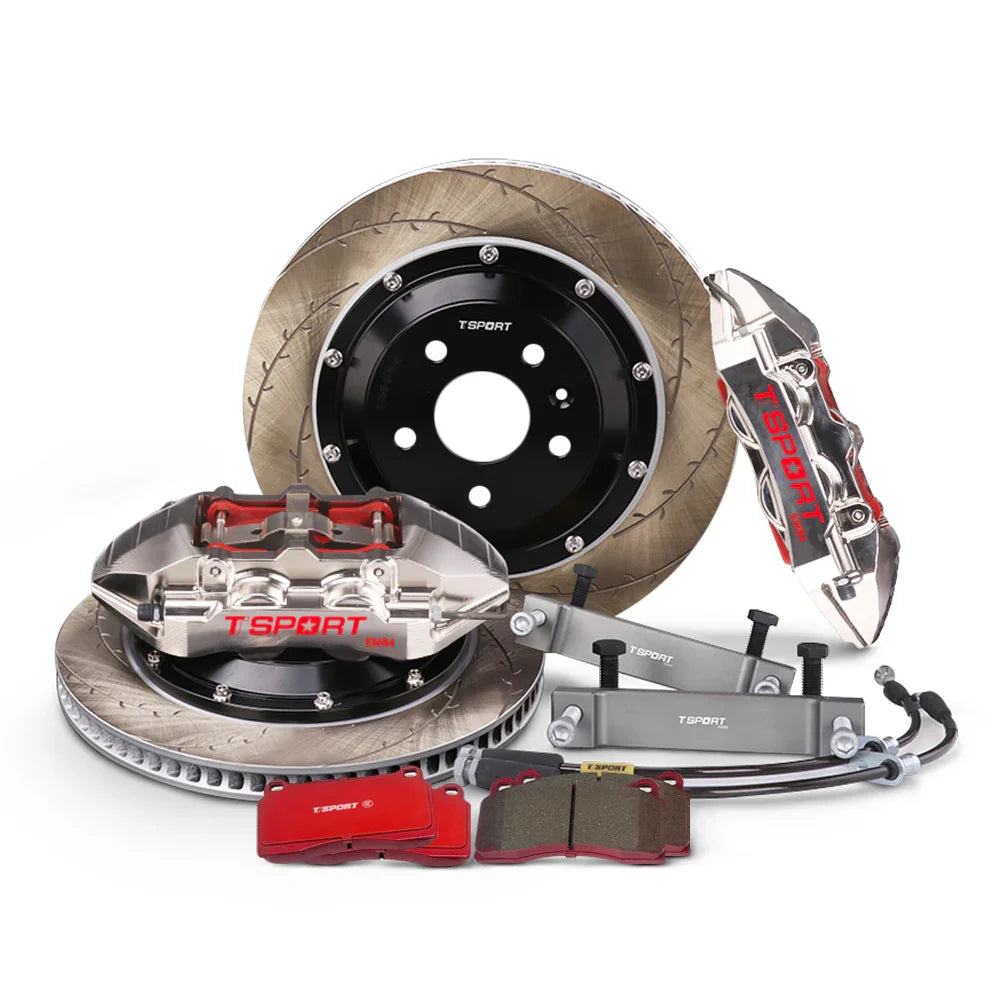
مجموعة مكابح العجلة الخلفية Mono EMB4 هي مجموعة مكابح كبيرة للعجلة الخلفية مصممة لتحقيق توازن مع ترقية المقدمة مع انحياز مستقر، وتحكم نظيف في دواسة الفرامل، وقوة توقف قابلة للتكرار. يوجه مكبس من الألمنيوم المصبوب الأحادي بثماني أسطوانات من نوع المونوبلوك 30 مم ضد أقراص ذات قطعتين بقياس 28 مم أو 30 مم، بأحجام 345، 355، أو 380 مم — مع خيارات من الفولاذ أو الكربون-السيراميك لتتناسب مع تركيبك.
جسم من الألمنيوم قطعة واحدة لصلابة عالية وتقليل الانحراف تحت حمولة العجلة الخلفية الثقيلة.
أربعة مكابس بقطر 30 مم، ومساحة مكبس إجمالية 28.3 سم² لكل مكبس لضمان توزيع متساوٍ للوسادة.
المكابس ذات القطعتين تقلل من انتقال الحرارة من الوسادة إلى السائل، مما يساعد على استجابة الدواسة أثناء التوقفات المتكررة.
مقاسة لتتناسب مع مجموعة مكابح أمامية أكبر دون أن تسيطر على العجلة الخلفية.
ثلاثة أقطار للقرص ووضوح في العجلة بمقاس 18 إنش فما فوق لتناسب مجموعة واسعة من التثبيتات.
| مكبس الفرامل | ||
|---|---|---|
| السلسلة | سلسلة أحادية | |
| الموديل / التطبيق | EMB4 | |
| موضع المحور | خلفي | |
| عدد المكابس | 4 مكابس | |
| نوع المكبس | مكابس معزولة حرارياً من قطعتين، بدون أغطية غبار | |
| قطر المكبس | 30 مم × 4 | |
| مساحة المكبس الإجمالية | 28.3 سم² لكل مكبس | |
| أبعاد المكبس | L 268 × W 164 × H 68 مم | |
| عملية التصنيع | هيكل من الألومنيوم الأحادي الكتلة مصبوب | |
| الوزن الصافي | 2.55 كجم لكل مكبس، بدون الوسائد | |
| تشطيب السطح | مطلي بالنحاس | |
| حجم العجلة الموصى به | 18 بوصة أو أكبر | |
| حجم القرص الدوار الموصى به | Ø345–380 مم × 28 مم | |
| خيارات أقراص المكابح | ||
| خيارات الأقراص الدوارة | فولاذ (الخيار أ) | سيراميك-الكروم (اختياري B) |
| مادة القرص | حديد رمادي معالج حرارياً عالي الكربون | مركب من الكربون-السيراميك |
| موضع المحور | خلفي | خلفي |
| أبعاد القرص الدوار | Ø345 / 355 / 380 مم × 28 مم | Ø380 مم × 28 مم |
| البناء | تجميع من قطعتين | تجميع من قطعتين |
| تهوية | مهوّاة داخلياً | مهوّاة داخلياً |
| تركيب القرص الدوار | ثابت أو عائم، حسب حجم القرص والتطبيق | عائم |
| تصميم موجه | نعم — مخصص لليمين واليسار | نعم — مخصص لليمين واليسار |
| نمط وجه القرص الدوار | فتحة منقطة / فتحة حبيبية / فتحة موجية / مثقوب وذو فتحات | مثقوب عبر |
| خيارات وسادات المكابح | ||
| خيارات الوسادة | للأقراص الفولاذية | لدوارات الكربون-السيراميك |
| المادة المتوافقة للقرص الدوار | مُرَكِّبات الحديد / الصلب فقط | أقراص من الكربون-السيراميك فقط |
| نطاق درجة الحرارة التشغيلية | 0–600 °م | 0–700 °م |
| متوسط معامل الاحتكاك | μ ≈ 0.38 | μ ≈ 0.45 |
| الخطوط | ||
| تصميم خط الفرامل | تصميم ثلاثي الطبقات | |
| مادة خط الفرامل | بطانة داخلية من PTFE / حبال من الفولاذ SUS304 / غطاء خارجي من PVC | |
| وظيفة خط الكبح | يقلل من تمدد الخطوط لضمان دواسة أكثر صلابة | |
| ملحقات خطوط الفرامل | مخصص للمركبة على جانب المكبس والشاسيه | |
| الحوامل | ||
| عملية تصنيع غطاء القرص الدوار | مُصنّعة بواسطة CNC | |
| مادة قبعة القرص الدوار | سبائك الألومنيوم عالية القوة | |
| عملية تصنيع حامل الكاليبر | مُصنّعة بواسطة CNC | |
| مادة حامل المكابح | الفولاذ الكربوني | |
| نوع تثبيت الكاليبر | تركيب شعاعي مع حوامل مخصصة للمركبة | |
| الملائمة والتركيب | ||
| الحد الأدنى لمسافة الحافة | 101 ملم | |
| حجم العجلة الموصى به | 18 بوصة أو أكبر | |
| اختيار قطر القرص الدوار | 345، 355، أو 380 ملم، حسب تطبيق السيارة ومساحة العجلة | |
| إجراء التمويه (التمهيد) | مطلوبة قبل القيادة العدوانية | |
تختلف مقاومة الاحتكاك مع درجة الحرارة، ضغط الخط، وحالة القرص. دائماً قم بمطابقة الوسادات مع مادة القرص.
مكابح خلفية من نوع EMB4 بمكبين.
وسادات مطابقة لكلا الكاليبرين الخلفيين.
دوارات ذات قطعتين بالحجم والمواد المختارة.
حوامل مخصصة للمركبة من الصلب الكربوني باستخدام CNC.
قبعات من الألمنيوم CNC.
خطوط من نوع الحبال المجدولة من الفولاذ المقاوم للصدأ.
تأكد من وجود مساحة داخل العجلة، قطر القرص، وتطبيق المركبة قبل الطلب. استخدم النموذج المرفق أو اتصل بنا مع تفاصيل العجلة والمركبة الخاصة بك.

مطلوب عجلات بحجم 18 إنش أو أكبر.

يتطلب EMB4 على الأقل 101 ملم من مساحة العجلة. قد تتطلب الدورات الأكبر وتصاميم العجلات الخاصة مزيدًا من المساحة.

تأكد من حجم الدوار، وتوافر الحوامل، وملحقات خطوط الفرامل، وتوازن الفرامل الخلفية قبل الطلب.
تم تصميمه لتحقيق توازن بين نظام فرامل أمامي أكبر وتوفير توازن خلفي نظيف دون أن يطغى على الهيكل.
خلفية فقط. مصممة لتحقيق توازن مع مجموعة مكابح أمامية أكبر وتوفير انحياز خلفي نظيف دون أن تسيطر على الهيكل.
القرص الفولاذي يأتي بأقطار Ø345، 355، أو 380 مم وسمك 28 مم. الكربون-السيراميك متوفر بأقطار Ø380 مم وسمك 28 مم. جميعها ثنائية القطعة، ذات تهوية داخلية، واتجاهية.
18 إنش أو أكبر، مع توفر على الأقل 101 مم من مساحة الحبال. قد تتطلب الأقراص الأكبر وتصاميم العجلات الخاصة مزيدًا من المساحة — تحقق باستخدام قالب التناسب.
لا. الوسادات مخصصة لنوع المركب. استخدم وسادات حديد/فولاذ على الأقراص الفولاذية ووسادات من نوع CCB فقط على الأقراص الكربون-السيراميك.
مضادين خلفيين EMB4، أقراص دوارة ذات قطعتين بالحجم والمواد المختارة، وسادات مطابقة، وخطوط منسوجة من الفولاذ المقاوم للصدأ، قبعات من الألمنيوم CNC، و brackets مخصصة للسيارة من الصلب الكربوني CNC.
نعم. عملية التمركز الصحيحة تضمن نقل طبقة متساوية من الوسادة إلى وجه القرص الدوار، وهو أمر حاسم للقوة، والتحكم، وعمر القرص الطويل.
هل تحتاج إلى مساعدة في تأكيد مساحة العجلة، حجم القرص الدوار، أو توفر brackets لسيارتك؟
Brake Kits · Fitment · Installation · Care Guide
A brake kit is not just a pair of larger calipers. Calipers, rotors, pads, hoses, brackets, rotor hats, mounting hardware, brake fluid, wheel clearance, and bedding procedure all work together as one system.
This guide explains how to confirm the right TTSPORT brake kit before ordering, what to check before installation, and how to care for the system after installation.
Do not order a brake kit by vehicle name alone. The correct kit depends on the vehicle, axle position, wheel package, driving use, and brake system layout.
Brake kits are application-specific. A visually similar kit can still have the wrong rotor offset, bracket geometry, hose fitting, caliper position, or wheel clearance requirement.
Different TTSPORT brake kit series use different hardware layouts. Always confirm what the kit includes before purchase.
Use direct-mount calipers and one-piece rotors where specified. These kits do not use rotor hats or caliper brackets unless the final product page clearly states otherwise.
Use separate friction rings and rotor hats. Hat offset, ring bolt pattern, hardware style, and rotor direction must be matched correctly.
May require bespoke brackets, rotor hats, brake lines, and engineering confirmation based on knuckle, hub, wheel, and competition use.
Require extra attention to wheel clearance, tire size, vehicle load, descent control, hose routing, and dust / water exposure.
Do not assume every brake kit includes the same parts. Package contents vary by product series, vehicle application, and final order configuration.
Before finalizing the order, review the kit specification carefully. Confirm the brake kit is matched to your vehicle and wheel setup, not only to the model name.
If any part is not listed in the final order or product page, do not assume it is included.
Inspect every component before installation. Do not modify, grind, drill, stretch, force, or space brake kit components to make them fit.
Safety: Brake kits affect braking force, hydraulic sealing, heat control, wheel clearance, and vehicle stability. Do not install the kit if fitment, torque, direction, clearance, or compatibility is unclear.
Correct installation is as important as the brake kit itself. A properly engineered kit can still perform poorly if installed with dirty mounting faces, incorrect torque, poor hose routing, or trapped air in the hydraulic system.
Verify caliper centering over the rotor and confirm even pad sweep across the friction surface.
Confirm left / right rotor direction if the rotor uses directional vanes or directional face pattern.
Check brake hose length and routing at full steering lock and full suspension travel. No twisting, rubbing, stretching, or kinking.
Check caliper-to-spoke and caliper-to-barrel clearance before road use. Wheel diameter alone is not enough.
Use the correct brake fluid type and bleed the system until pedal feel is firm and consistent.
Torque all brake hardware to the specified value. Do not reuse damaged, unknown, stretched, or corroded safety-critical fasteners.
Brake pads and rotors need a controlled bedding process before full performance is available. Bedding helps create an even transfer layer on the rotor surface, improving bite, pedal consistency, and vibration resistance.
Street pads, race pads, iron rotors, two-piece rotors, and carbon ceramic rotors may require different bedding procedures. Use the procedure supplied with the specific kit.
After installation and bedding, give the system a short break-in period before aggressive use. Pedal feel, pad contact, dust output, and noise may continue to settle after the first drives.
Brake kits need regular inspection, especially after track use, off-road use, towing, mountain driving, winter salt exposure, or any brake service.
Inspect pads, rotors, fluid level, and hose condition during normal service intervals. Prioritize quiet operation, smooth pedal feel, and even wear.
Check pad thickness, rotor surface condition, and fluid condition more often. Long descents create sustained heat even without track use.
Inspect for mud, sand, stone impact, hose abrasion, dust boot damage, and caliper contamination after trail use.
Inspect pads, rotors, fluid, and hardware before and after every event. Track heat shortens service intervals.
Check rear brake temperature, hydraulic handbrake behavior, pad wear, rotor cracking, and hardware condition frequently.
Use only compatible pads and approved bedding procedures. Inspect rotor surface condition carefully and avoid incompatible friction materials.
Do not continue driving if the brake system shows any of the following symptoms. Inspect the system or contact a qualified brake technician before using the vehicle again.
Send your vehicle details, brake kit series, wheel specs, driving use, photos, and any symptoms you notice. TTSPORT will help confirm fitment, installation checks, and the correct care path for your brake kit.
شكرًا لاشتراكك!
تم تسجيل هذا البريد الإلكتروني!