
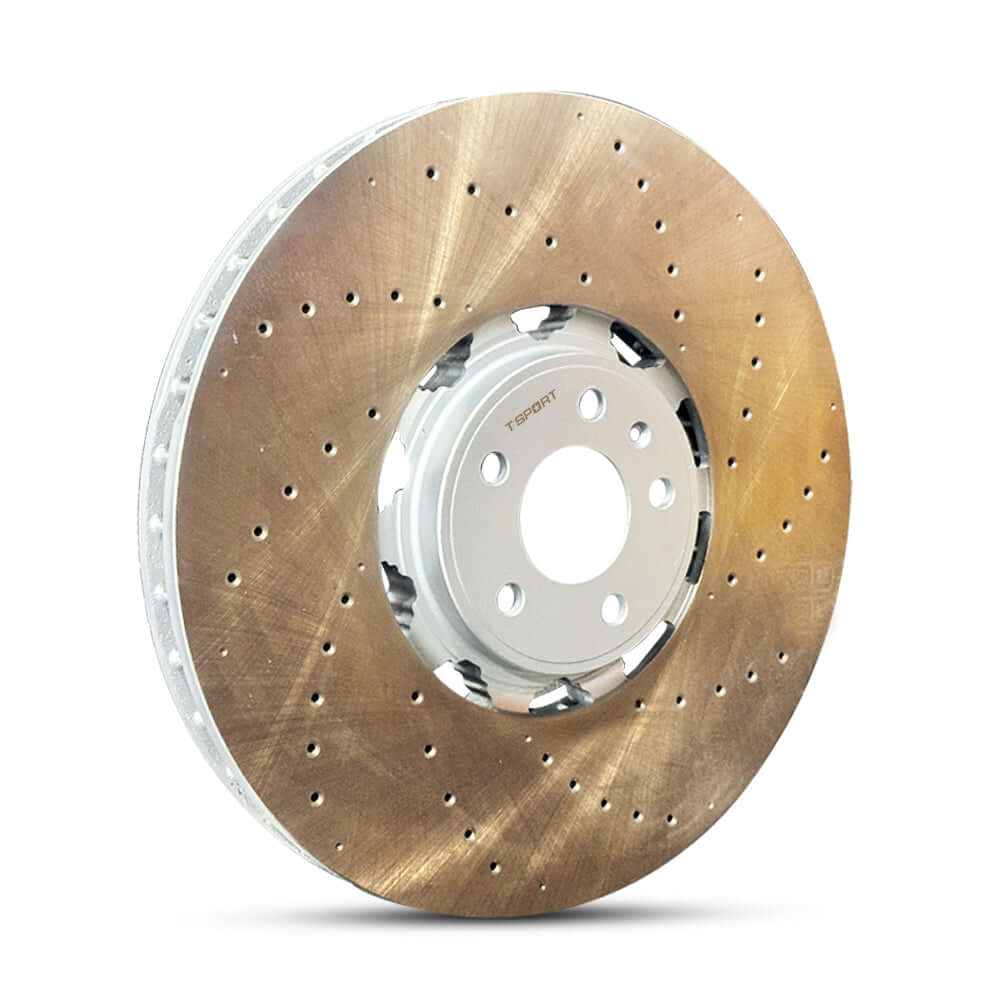
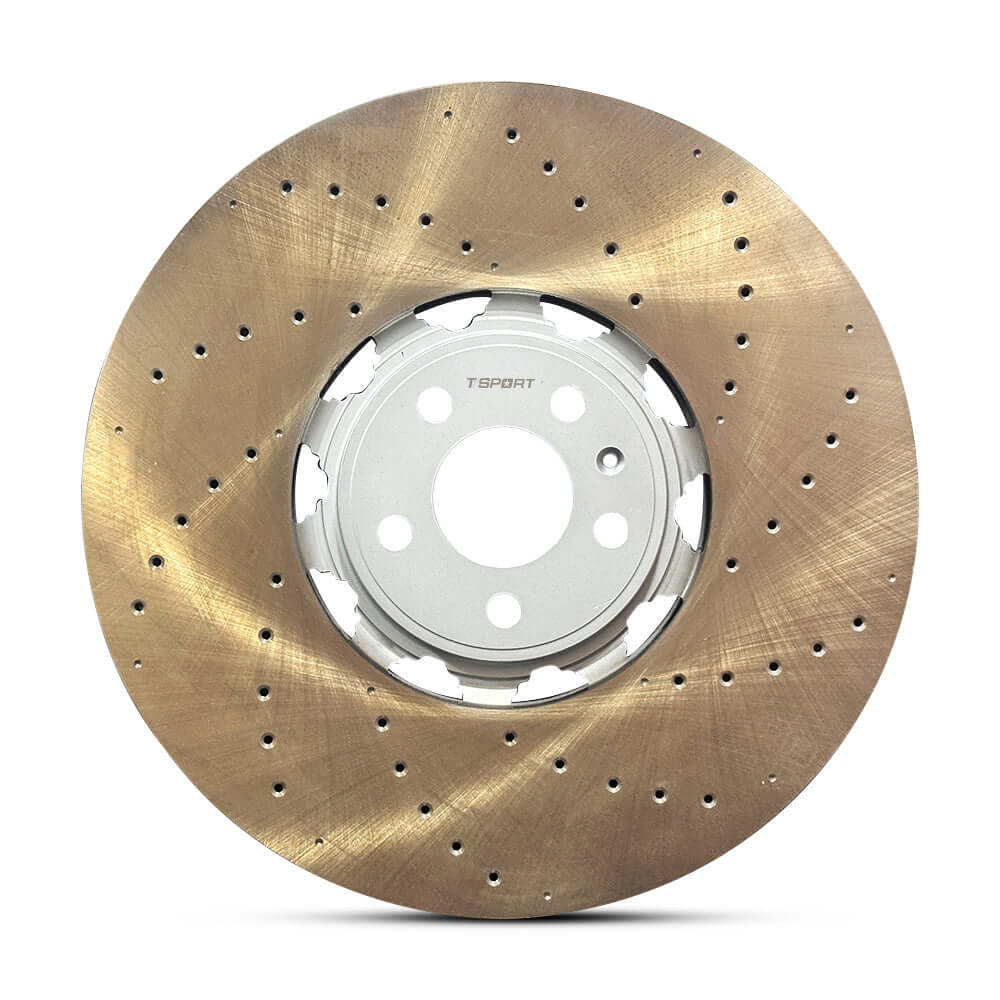
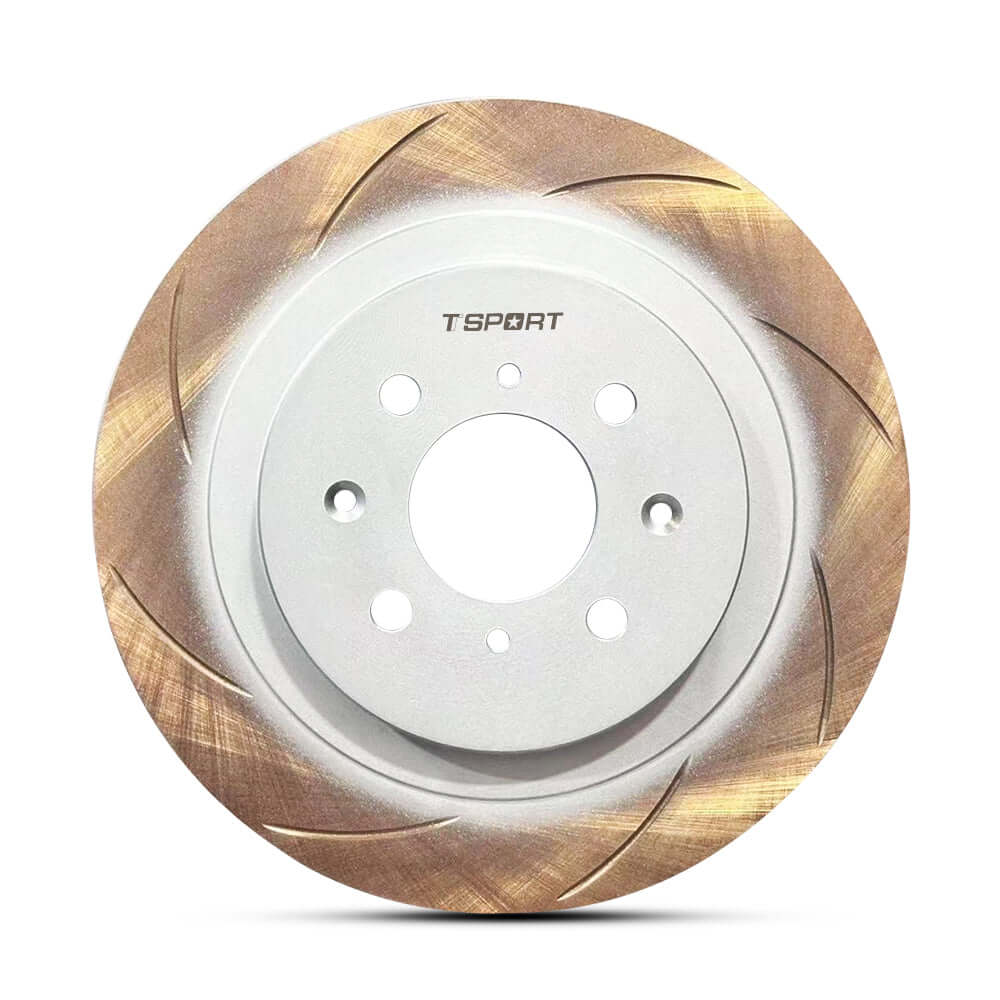
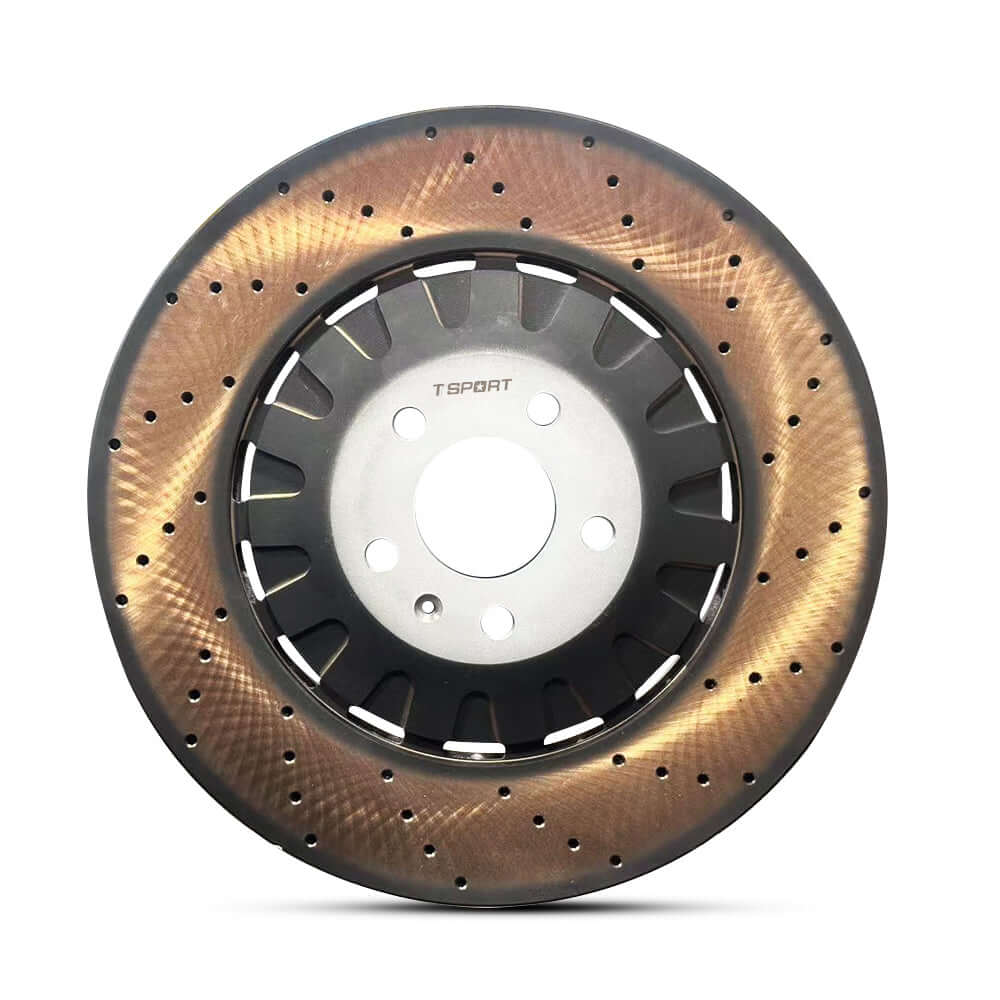
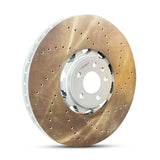
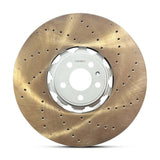
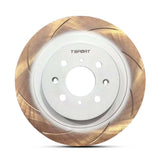
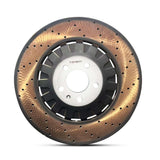
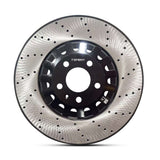
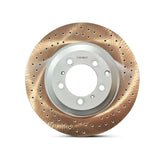
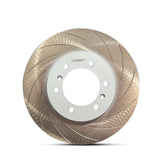
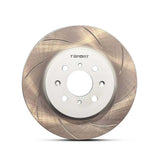
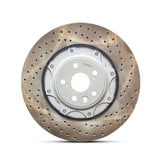
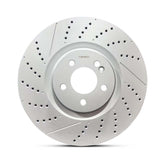
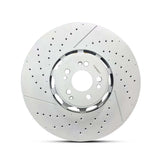
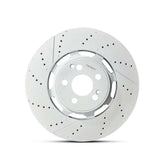


고탄소 주철 구조
브레이크 온도가 상승해도 마찰면이 더 차원적으로 안정적으로 유지되어, 열 변형으로 인한 페달 맥동을 줄입니다.

이메일: sales@ttsport-racing.com
통화
 AED
AED
 AFN
AFN
 ALL
ALL
 AMD
AMD
 ANG
ANG
 AUD
AUD
 AWG
AWG
 AZN
AZN
 BAM
BAM
 BBD
BBD
 BDT
BDT
 BIF
BIF
 BND
BND
 BOB
BOB
 BSD
BSD
 BWP
BWP
 BZD
BZD
 CAD
CAD
 CDF
CDF
 CHF
CHF
 CNY
CNY
 CRC
CRC
 CVE
CVE
 CZK
CZK
 DJF
DJF
 DKK
DKK
 DOP
DOP
 DZD
DZD
 EGP
EGP
 ETB
ETB
 EUR
EUR
 FJD
FJD
 FKP
FKP
 GBP
GBP
 GMD
GMD
 GNF
GNF
 GTQ
GTQ
 GYD
GYD
 HKD
HKD
 HNL
HNL
 HUF
HUF
 IDR
IDR
 ILS
ILS
 INR
INR
 ISK
ISK
 JMD
JMD
 JPY
JPY
 KES
KES
 KGS
KGS
 KHR
KHR
 KMF
KMF
 KRW
KRW
 KYD
KYD
 KZT
KZT
 LAK
LAK
 LBP
LBP
 LKR
LKR
 MAD
MAD
 MDL
MDL
 MKD
MKD
 MMK
MMK
 MNT
MNT
 MOP
MOP
 MUR
MUR
 MVR
MVR
 MWK
MWK
 MYR
MYR
 NGN
NGN
 NIO
NIO
 NPR
NPR
 NZD
NZD
 PEN
PEN
 PGK
PGK
 PHP
PHP
 PKR
PKR
 PLN
PLN
 PYG
PYG
 QAR
QAR
 RON
RON
 RSD
RSD
 RWF
RWF
 SAR
SAR
 SBD
SBD
 SEK
SEK
 SGD
SGD
 SHP
SHP
 SLL
SLL
 STD
STD
 THB
THB
 TJS
TJS
 TOP
TOP
 TTD
TTD
 TWD
TWD
 TZS
TZS
 UAH
UAH
 UGX
UGX
 USD
USD
 UYU
UYU
 UZS
UZS
 VND
VND
 VUV
VUV
 WST
WST
 XAF
XAF
 XCD
XOF
XPF
XCD
XOF
XPF
 YER
YER
브레이크 로터 · OEM 스타일 직결 장착 · 스트리트 및 일상 주행용
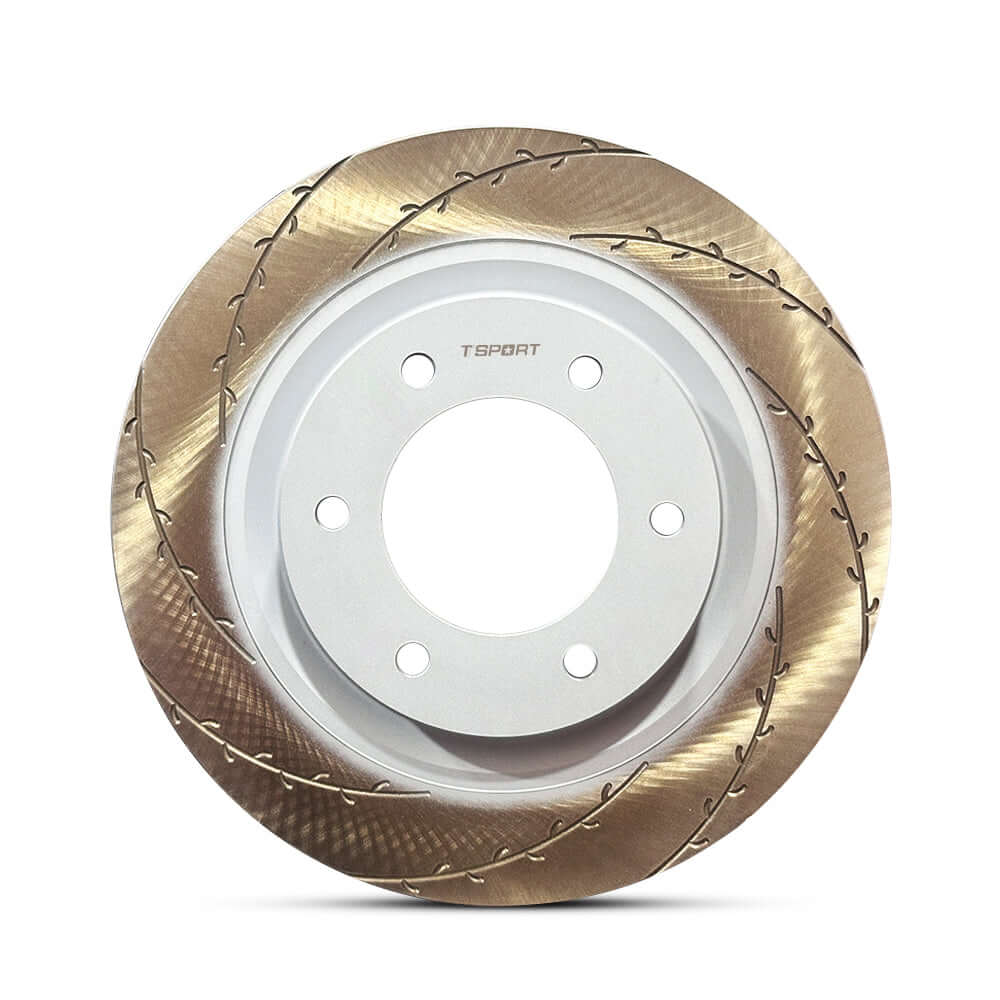
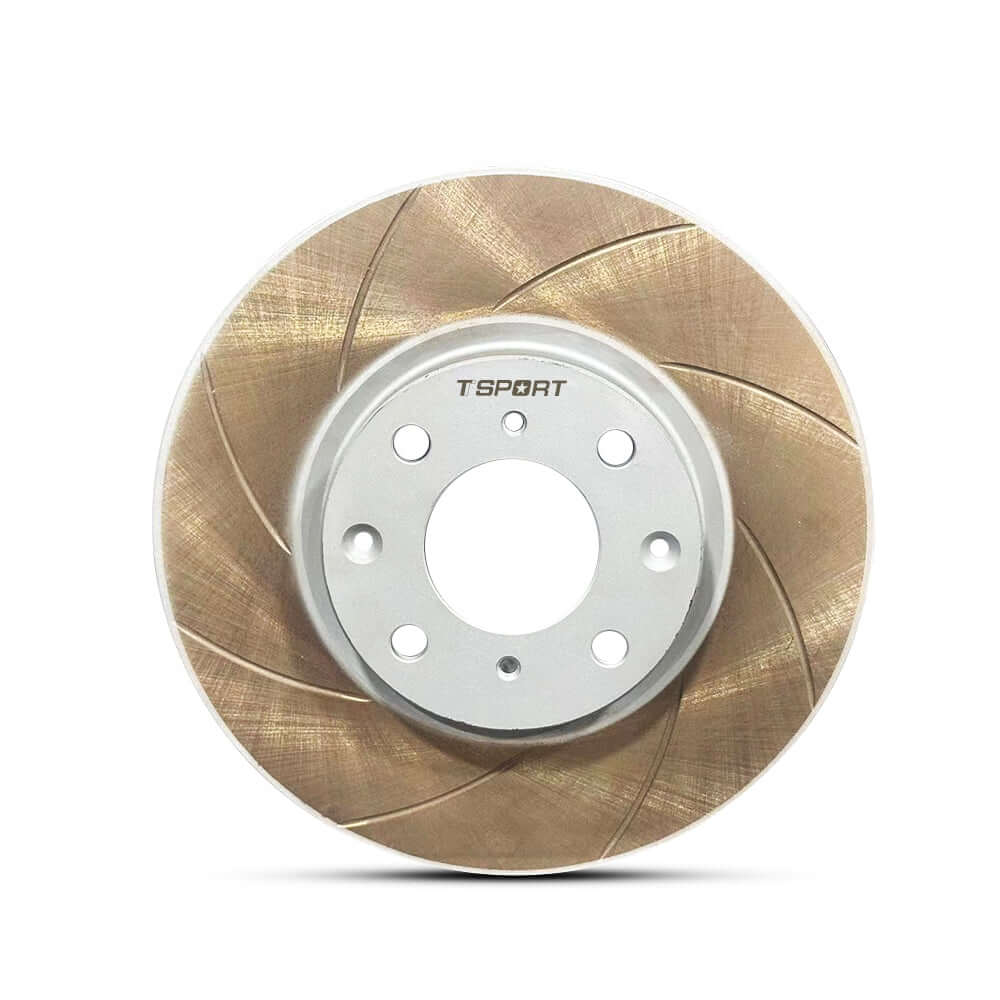
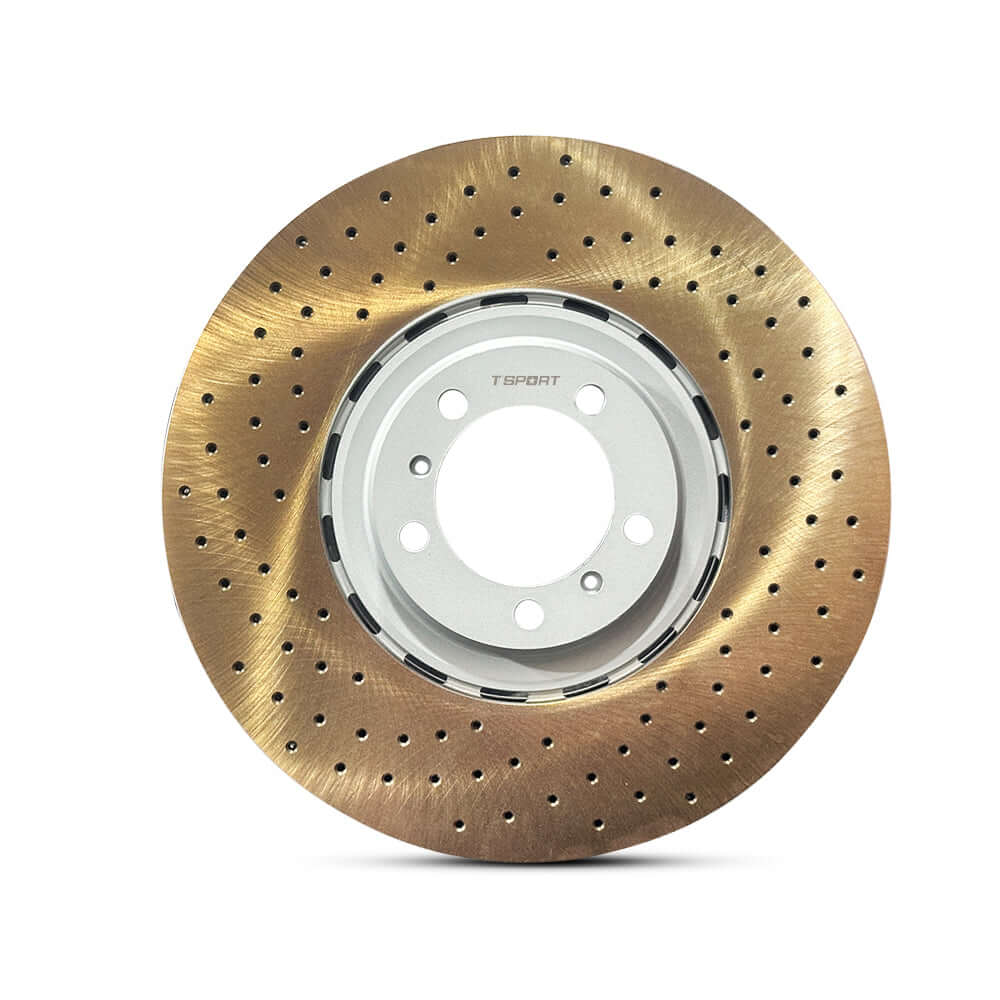
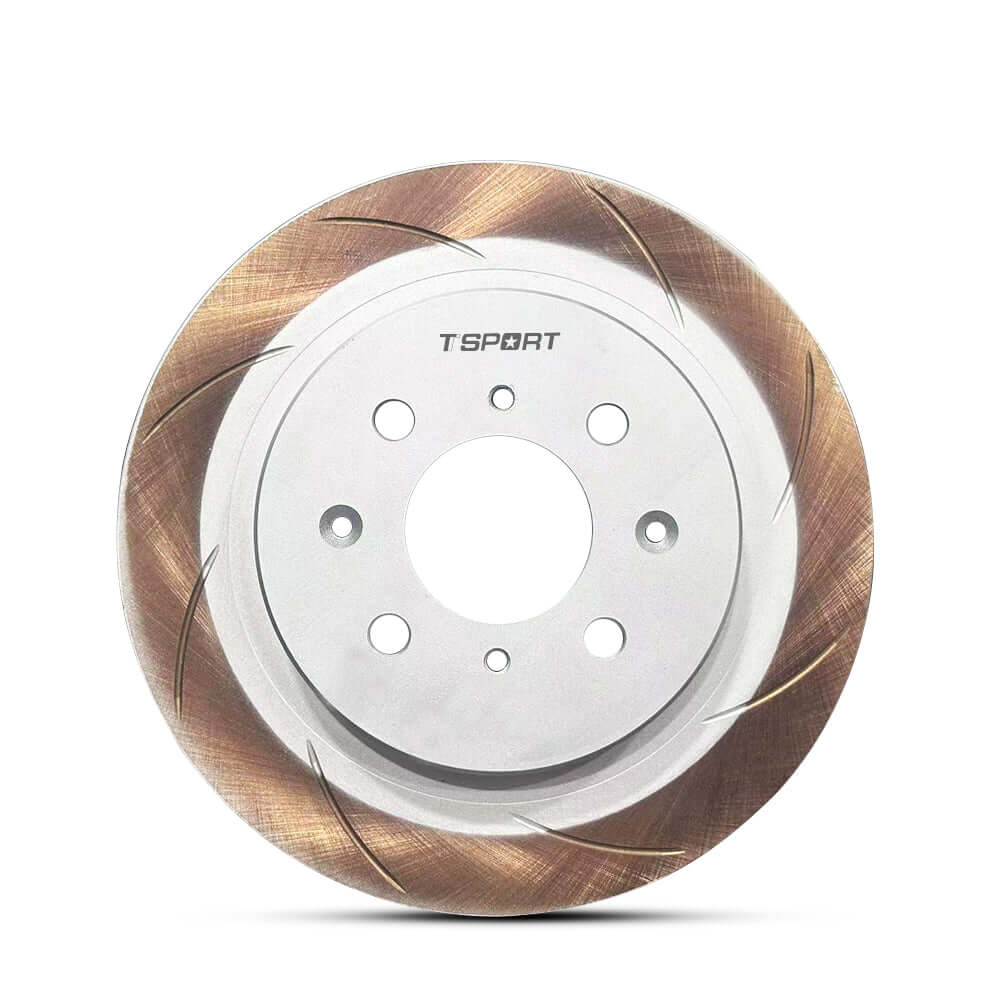
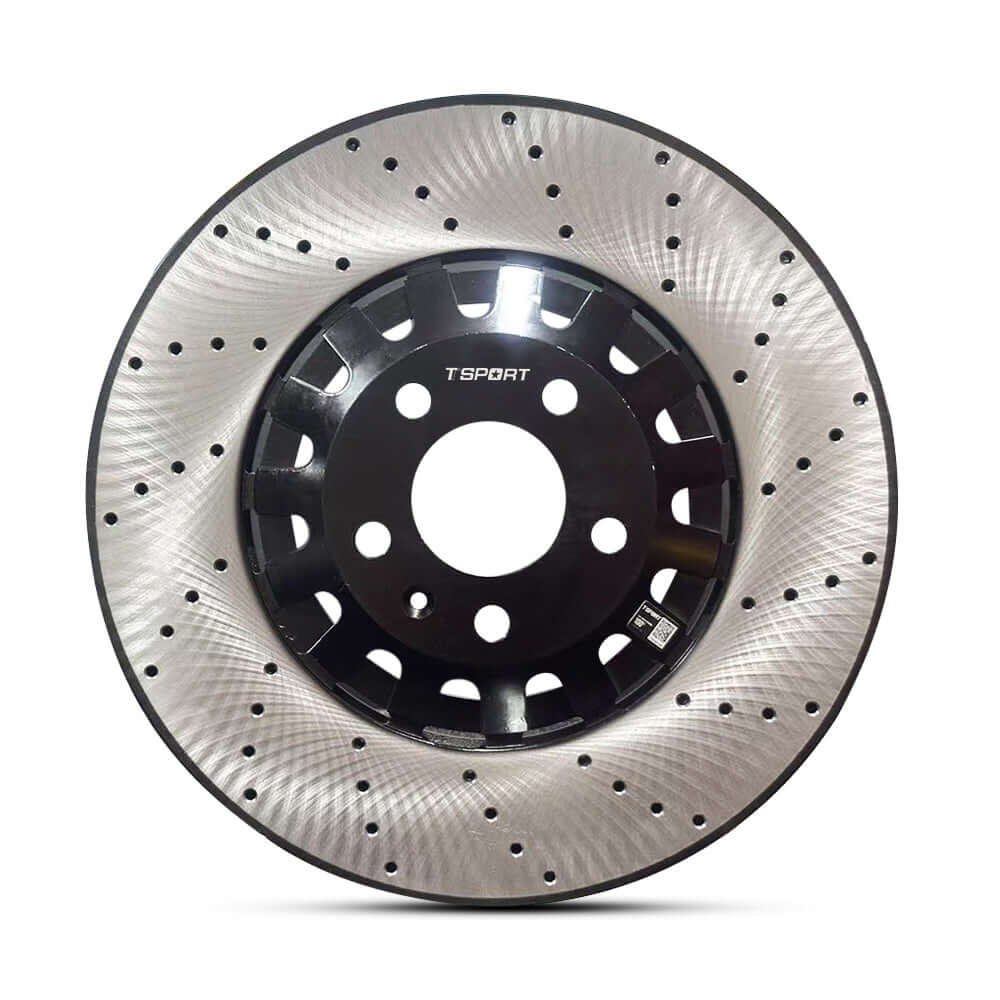
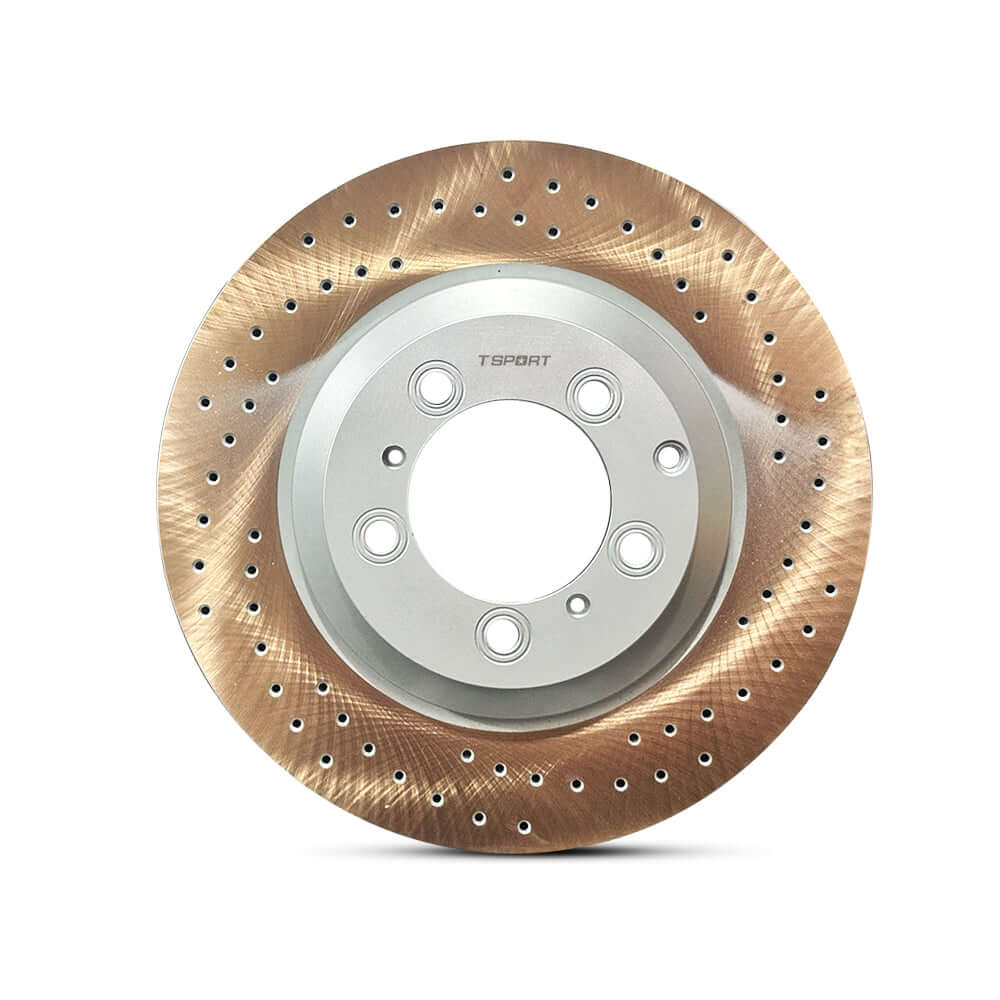
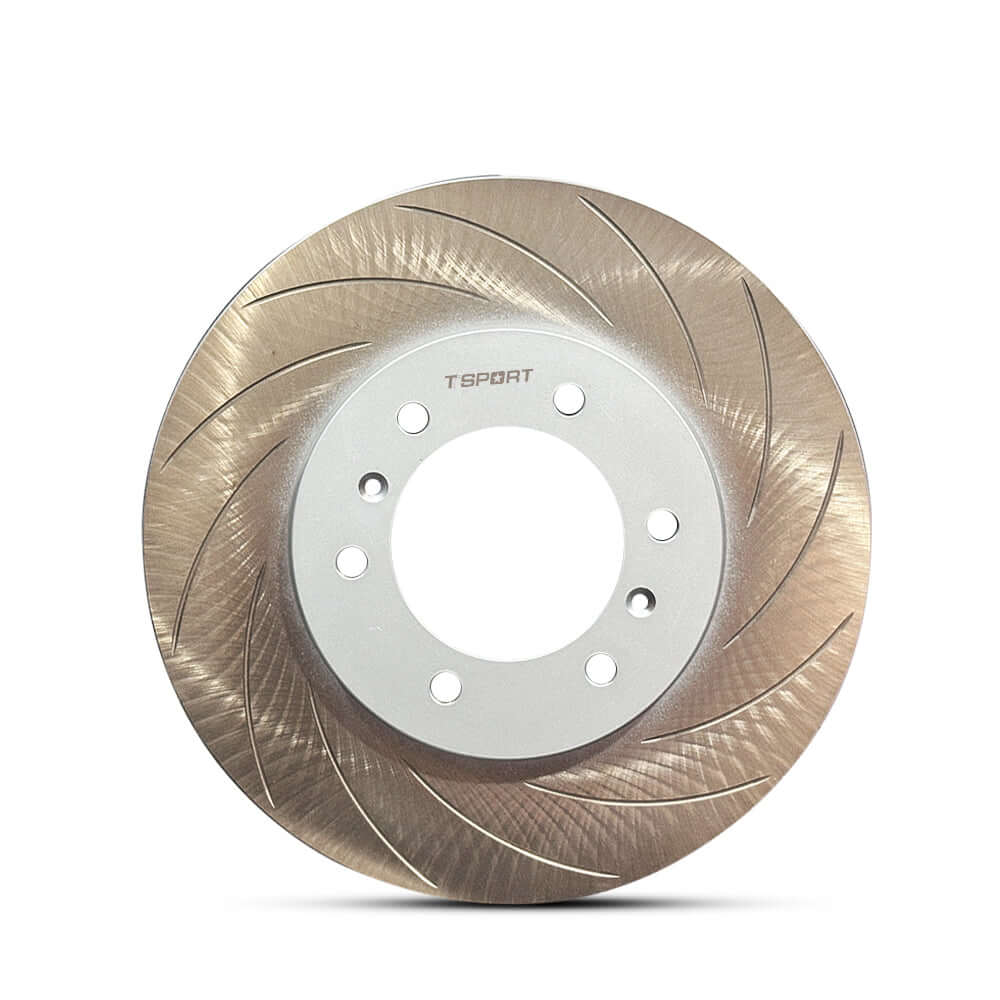
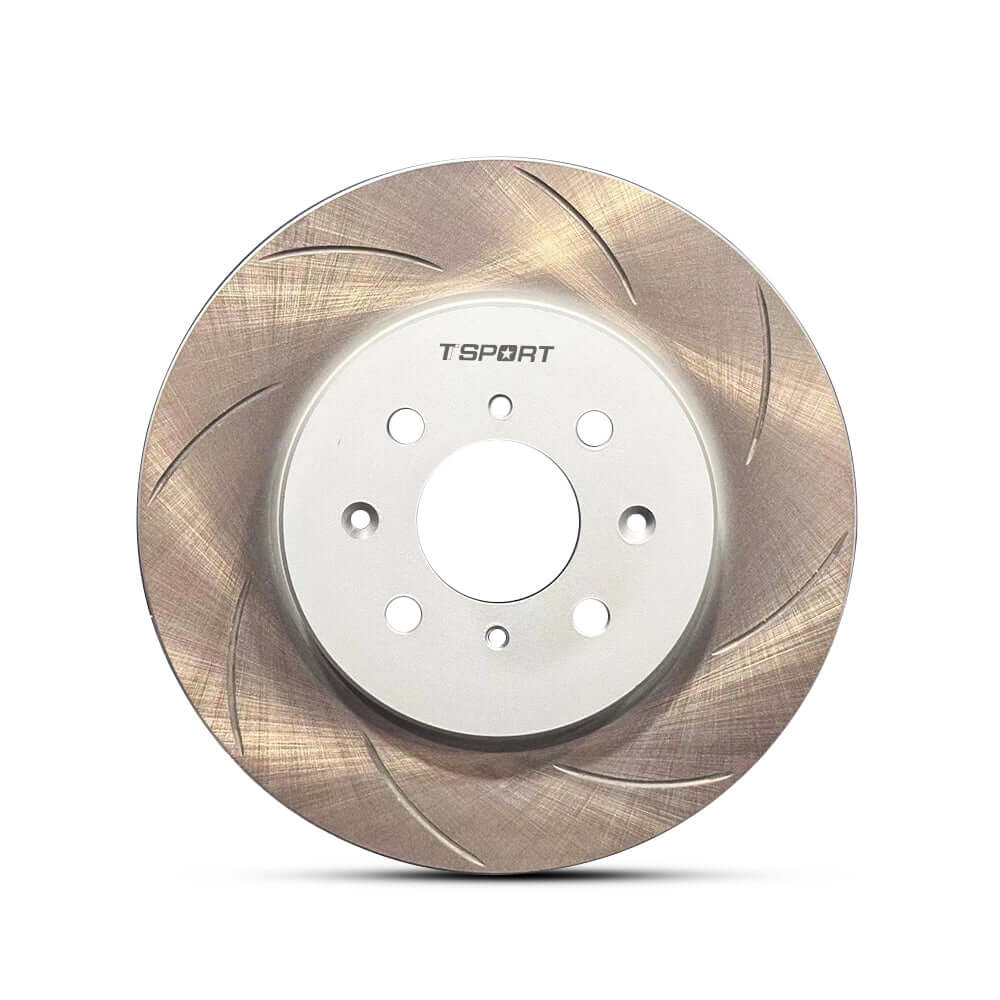
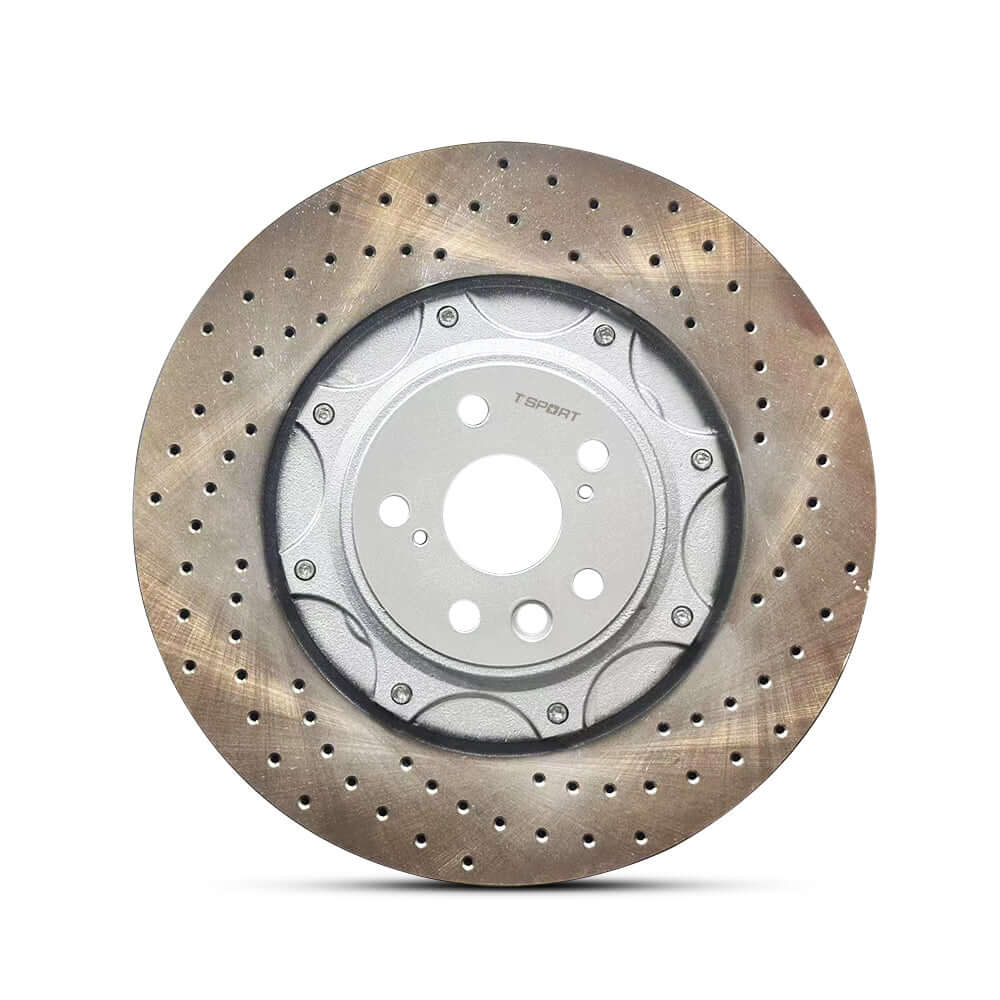
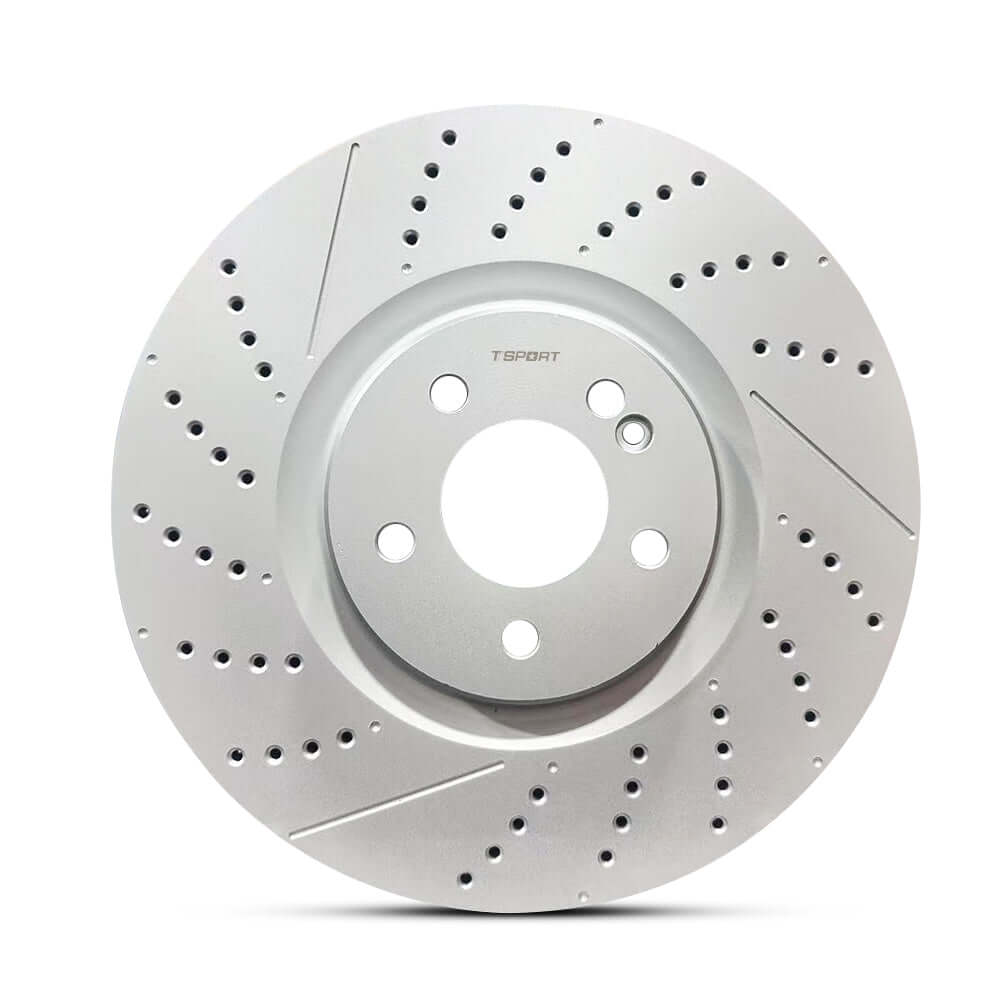
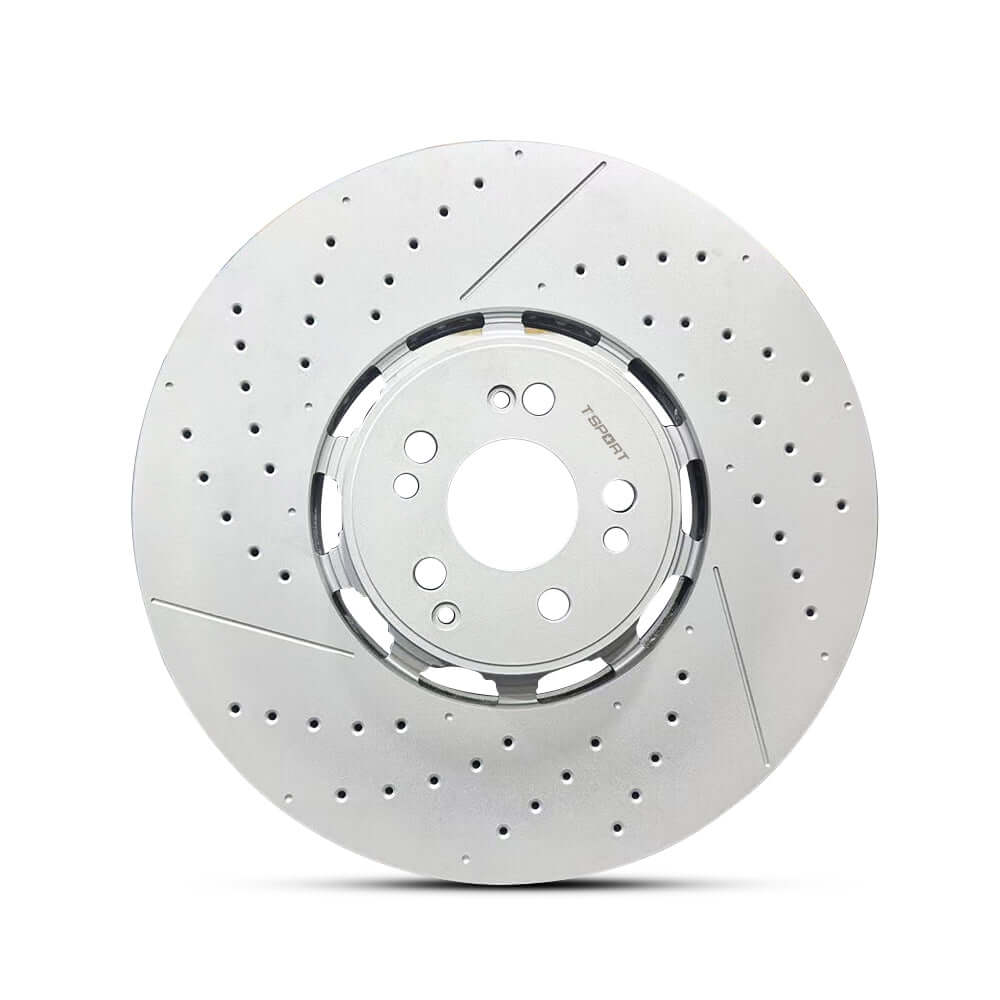
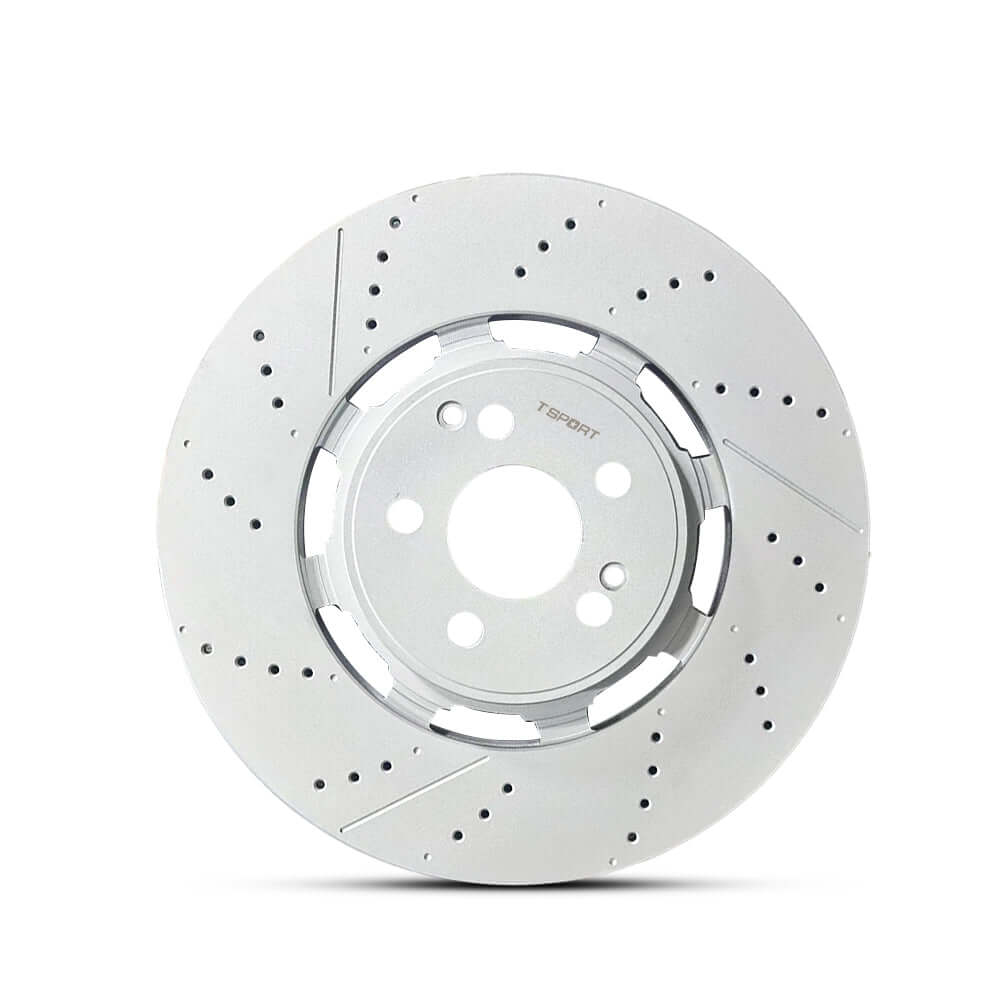
TTSPORT OEM 업그레이드 고탄소 주철 로터는 기존 공장 디스크보다 더 강하고 열 안정성이 뛰어난 교체품으로, 공장식 장착 레이아웃을 변경하지 않습니다. 일상 주행자가 더 깨끗한 베딩, 조용한 제동, 열 변형 저항력을 원할 때 적합합니다.
브레이크 온도가 상승해도 마찰면이 더 차원적으로 안정적으로 유지되어, 열 변형으로 인한 페달 맥동을 줄입니다.
반복 제동 시 일관된 페달 감각과 예측 가능한 반응을 지원합니다.
브레이크 초기 베딩 시 균일한 패드 전달을 촉진하여 더 깨끗한 베딩과 조용한 작동을 돕습니다.
운송, 저장, 설치 시 비마찰 표면을 보호하며, 패드 경로의 코팅은 초기 제동 시 자연스럽게 마모됩니다.
공장 캘리퍼와 브래킷 레이아웃을 유지하는 직결 교체품입니다.
고탄소 주철 포뮬러는 표준 회색 주철보다 감쇠력이 높아 제동 소음과 고주파 잡음을 줄이는 데 도움을 줍니다. 정밀 가공된 마감과 결합되어, 더 부드러운 베드인 주기와 반복 주행 시 일관된 마찰면 행동을 지원합니다.
| 브레이크 로터 | |
|---|---|
| 시리즈 | OEM 업그레이드 직결 로터 시리즈 |
| 디스크 재질 | 고탄소 주철 |
| 구성 | 일체형 |
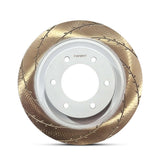
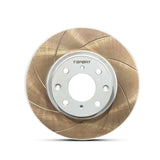
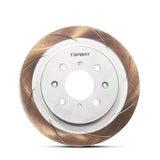
| 마찰 표면 | 홈이 파진 정밀 가공된 |
| 코팅 | 골든 다크로메트 방청 코팅 |
| 스타일 | OEM 스타일 장착 / 직결 피트 |
| 적용 용도 | 도심 및 일상 주행 |
직경, 두께, 볼트 패턴, 축 위치는 차종에 따라 다릅니다. 주문 전에 저희 팀과 호환 여부를 확인하세요.
이 제품 페이지는 교체용 브레이크 로터만을 설명합니다. 캘리퍼, 브레이크 패드, 브레이크 호스, 브래킷, 로터 하트, 장착 하드웨어는 별도 명시되지 않는 한 포함되지 않습니다.
네. 이 로터는 OEM 스타일 장착 레이아웃을 사용하며, 스톡 또는 이코노미 교체용 로터보다 직결 업그레이드용으로 설계되었습니다. 주문 전에 차량에 맞는 정확한 크기와 호환 여부를 확인하세요.
고탄소 조성은 열 안정성과 내부 감쇠력을 향상시켜, 열 변형으로 인한 페달 맥동을 줄이고, 기본 회색 철 로터보다 제동 소음이 적게 발생하도록 도와줍니다.
다크로메트 방청 코팅으로, 배송, 저장, 설치 시 로터를 보호합니다. 패드 접촉 부위의 코팅은 처음 몇 번의 정지 동안 자연스럽게 벗겨지며, 허브, 블레이드, 가장자리의 코팅은 장기적인 녹 방지 역할을 합니다.
아니요. 도심 및 일상 주행용으로 설계된 OEM 업그레이드 제품입니다. 공격적인 트랙 주행에는 슬롯 또는 이중 조각 퍼포먼스 로터가 더 적합합니다.
새 로터와 함께 새 패드를 강력히 권장하며, 균일한 패드 전달층을 형성하기 위해 적절한 베드인 절차를 따르세요.
차량 모델, 연도, 트림, 축 위치, 로터 직경, 두께, 볼트 패턴을 보내주세요. TTSPORT가 주문 전에 올바른 로터 사양을 확인하는 데 도움을 드립니다.
Brake Rotors · Fitment · Installation · Bedding · Care Guide
Brake rotors are not just round discs that bolt behind the wheel. Rotor diameter, thickness, offset, vane direction, surface pattern, material, coating, hat design, pad compound, and driving use all affect fitment and performance.
This guide explains how to choose, install, bed in, inspect, and care for TTSPORT brake rotors so the rotor and pad system works as intended.
Do not order rotors by appearance or diameter alone. Two rotors can look similar but use different offsets, hub registers, vane directions, bolt patterns, thicknesses, or hat designs.
Brake rotors are application-specific. A wrong rotor offset or thickness can misalign the caliper, create pad overhang, cause vibration, or prevent wheel clearance.
The best rotor is the one matched to the vehicle and driving use. Surface pattern alone does not make a rotor better.
Best for quiet daily use, low NVH, and smooth pad wear. A good choice for commuting and OE-style replacement.
Designed to keep the pad interface active and help clear dust, gas, and water film. Expect more pad wear than a smooth street rotor.
Often chosen for appearance and wet-weather surface clearing. For hard track use, confirm the rotor design is approved for sustained heat.
Use a separate friction ring and rotor hat to reduce weight and allow ring replacement when the hat remains within service limits.
Used for better thermal stability and damping compared with basic gray-iron replacement rotors.
Require compatible pads, correct bedding, and strict fitment confirmation. Do not treat CCB rotors like standard iron rotors.
Rotor installation quality directly affects pedal feel, vibration, pad wear, and service life. A premium rotor installed on a dirty hub can still develop brake judder.
Safety: Do not install a rotor if the hub face is dirty, the rotor does not sit flat, the direction is unclear, or the caliper does not center correctly over the disc.
The hub must be clean and flat. Rust or debris between the hub and rotor can create lateral runout and brake vibration.
Confirm left / right orientation if the rotor uses directional vanes, directional slots, directional drilling, or asymmetric cooling design.
Measure rotor runout if possible, especially on performance applications or vehicles with previous vibration complaints.
Check that the pad sweeps correctly across the friction face and does not overhang the rotor edge or hat area.
Confirm wheel spoke and barrel clearance after the rotor and caliper are installed. Rotor size changes can affect final caliper position.
Torque wheel nuts, caliper bolts, bracket bolts, and two-piece rotor hardware to the required specification. Do not guess torque values.
Two-piece rotors need additional inspection because the friction ring, hat, and mounting hardware work together as a serviceable assembly.
A two-piece rotor is not automatically floating. Floating behavior depends on the hat, friction ring, bobbins, fasteners, and assembly design.
Bedding is required for new rotors and pads. The goal is to create an even pad material transfer layer on the rotor surface and gradually heat-stabilize the rotor before full-load use.
Street pads, race pads, carbon ceramic pads, iron rotors, two-piece rotors, and CCB rotors may require different bedding procedures. Use the supplied TTSPORT procedure for the specific system.
After the initial bedding cycle, give the rotor and pad pair time to settle. Avoid treating a fresh brake setup like a fully heat-cycled race system on day one.
Rotors are wear items. Inspect them more often if the vehicle sees track use, mountain roads, towing, winter salt, off-road use, or aggressive pad compounds.
Do not run rotors below minimum thickness. Thin rotors have reduced heat capacity and can compromise braking safety.
Do not continue driving if the brake system shows any of the following symptoms. Inspect the system or contact a qualified brake technician before using the vehicle again.
Send your vehicle details, current rotor size, caliper model, wheel specs, pad compound, driving use, and any symptoms you notice. TTSPORT will help confirm the correct rotor type and care path for your setup.
구독해 주셔서 감사합니다!
이 이메일은 등록되었습니다!