
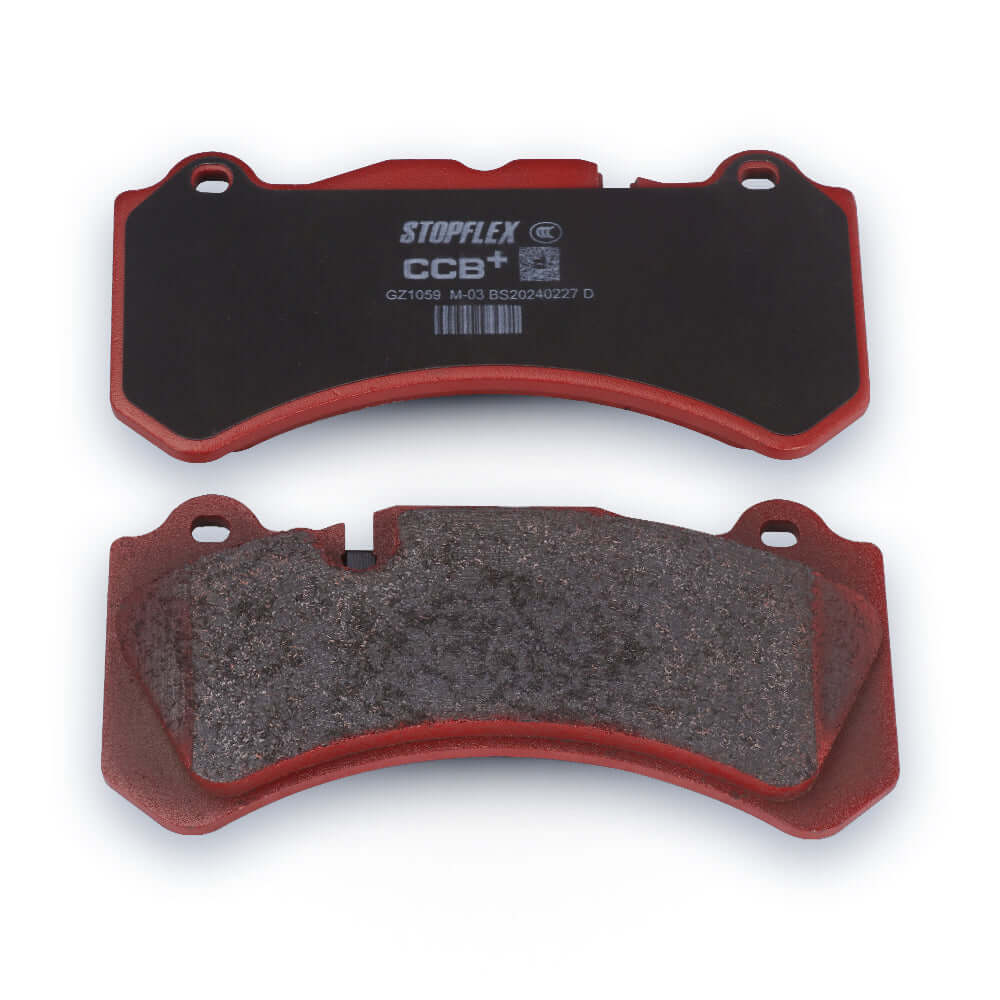


도심
조용하고 먼지 적으며, 강한 냉간 반응. CCB 장착 차량의 일상 주행에 이상적입니다.

이메일: sales@ttsport-racing.com
통화
 AED
AED
 AFN
AFN
 ALL
ALL
 AMD
AMD
 ANG
ANG
 AUD
AUD
 AWG
AWG
 AZN
AZN
 BAM
BAM
 BBD
BBD
 BDT
BDT
 BIF
BIF
 BND
BND
 BOB
BOB
 BSD
BSD
 BWP
BWP
 BZD
BZD
 CAD
CAD
 CDF
CDF
 CHF
CHF
 CNY
CNY
 CRC
CRC
 CVE
CVE
 CZK
CZK
 DJF
DJF
 DKK
DKK
 DOP
DOP
 DZD
DZD
 EGP
EGP
 ETB
ETB
 EUR
EUR
 FJD
FJD
 FKP
FKP
 GBP
GBP
 GMD
GMD
 GNF
GNF
 GTQ
GTQ
 GYD
GYD
 HKD
HKD
 HNL
HNL
 HUF
HUF
 IDR
IDR
 ILS
ILS
 INR
INR
 ISK
ISK
 JMD
JMD
 JPY
JPY
 KES
KES
 KGS
KGS
 KHR
KHR
 KMF
KMF
 KRW
KRW
 KYD
KYD
 KZT
KZT
 LAK
LAK
 LBP
LBP
 LKR
LKR
 MAD
MAD
 MDL
MDL
 MKD
MKD
 MMK
MMK
 MNT
MNT
 MOP
MOP
 MUR
MUR
 MVR
MVR
 MWK
MWK
 MYR
MYR
 NGN
NGN
 NIO
NIO
 NPR
NPR
 NZD
NZD
 PEN
PEN
 PGK
PGK
 PHP
PHP
 PKR
PKR
 PLN
PLN
 PYG
PYG
 QAR
QAR
 RON
RON
 RSD
RSD
 RWF
RWF
 SAR
SAR
 SBD
SBD
 SEK
SEK
 SGD
SGD
 SHP
SHP
 SLL
SLL
 STD
STD
 THB
THB
 TJS
TJS
 TOP
TOP
 TTD
TTD
 TWD
TWD
 TZS
TZS
 UAH
UAH
 UGX
UGX
 USD
USD
 UYU
UYU
 UZS
UZS
 VND
VND
 VUV
VUV
 WST
WST
 XAF
XAF
 XCD
XOF
XPF
XCD
XOF
XPF
 YER
YER
브레이크 패드 · M-03 컴파운드 · 탄소 세라믹 디스크 전용
TTSPORT M-03은 탄소 세라믹 브레이크 디스크용으로 특별히 설계된 저금속 수지 마찰 컴파운드입니다. 냉간 잡기, 고온 안정성, 페달 감각을 안정적으로 제공하며 CCB 디스크의 마찰 특성과 호환됩니다.
오직 CCB 디스크 전용. M-03은 탄소 세라믹 브레이크 디스크용으로 제조되었습니다. TTSPORT에서 호환성을 별도로 확인하지 않는 한 일반 주철 또는 강철 디스크에는 설치하지 마세요.
| 브레이크 패드 컴파운드 | |
|---|---|
| 시리즈 | M-03 |
| 제품 유형 | 브레이크 패드 / 마찰 컴파운드 |
| 컴파운드 유형 | 저금속 수지 |
| 로터 호환성 | 탄소 세라믹 디스크 전용 |
| 적합하지 않음 | 별도 확인 시까지 일반 주철 또는 강철 디스크는 사용하지 마세요. |
| 적용 용도 | CBB 장착 차량의 도심 및 퍼포먼스 주행 |
| 콜드 바이트 | 강력하고 즉각적 |
| 먼지 프로파일 | 낮음에서 중간 수준 |
| 소음 프로파일 | 일반 사용 시 낮음 |
| 페달 감각 | 선형, 조절 가능 |
| 트랙 등급 | 전용 트랙 데이 또는 내구성 등급은 제공하지 않음 |
이 컴파운드에 대해 트랙 데이 또는 내구성 등급이 제공되지 않습니다. 지속적인 폐쇄 코스 사용 시, TTSPORT에 문의하여 귀하의 CCB 시스템에 적합한 컴파운드 추천을 받으세요.
이 제품 페이지는 브레이크 패드만을 설명합니다. 캘리퍼, 브레이크 로터, 브레이크 호스, 브레이크 액, 브래킷, 로터 햇, 마모 센서, 설치 하드웨어는 별도 명시되지 않는 한 포함되지 않습니다.
조용하고 먼지 적으며, 강한 냉간 반응. CCB 장착 차량의 일상 주행에 이상적입니다.
반복적인 강제 정지에서도 안정적인 마찰과 일관된 페달 감각 유지.
전용 트랙 복합체로 평가되지 않습니다. 폐쇄 코스용으로는 CCB 트랙 스펙 추천을 요청하십시오.
탄소 세라믹 디스크는 철 디스크와 다르게 마찰 필름을 전달합니다. 가볍고 고르게 베딩하는 것이 권장되며, 과도한 열 사이클링은 피하세요. 특별한 지침이 없는 한 TTSPORT가 권장하는 프로세스를 따르세요.
귀하의 CCB 캘리퍼와 디스크 조합에 맞는지 확인이 필요하신가요? 차량, 연식, 캘리퍼 사진, 패드 모양, 디스크 세부 정보를 보내주세요. TTSPORT가 주문 전에 올바른 M-03 적용 여부를 확인해 드립니다.
중요: 탄소 세라믹 로터에 잘못된 패드를 사용하면 마찰면이 손상되고 제동 성능이 저하될 수 있습니다. 설치 전에 로터 재질, 패드 모양, 캘리퍼 적합성을 확인하세요.
아니오. M-03은 탄소 세라믹 로터용으로 제조되었습니다. 일반 철 또는 강철 로터에 사용할 경우 TTSPORT가 특정 적용에 대한 호환성을 확인하지 않는 한 권장하지 않습니다.
아니오. M-03은 CCB 시스템용 거리 및 성능용 컴파운드입니다. 지속적인 트랙 주행에는 TTSPORT에 문의하여 CCB 트랙 사양 추천을 받으세요.
낮거나 중간 수준의 먼지가 예상됩니다. M-03은 더 공격적인 금속 CCB 컴파운드보다 적은 휠 먼지를 생성하면서도 강한 냉간 그립력을 유지하도록 설계되었습니다.
아니오. 이 컴파운드는 처음 정지부터 강한 냉간 그립력을 제공하도록 설계되었으며, 정상적인 도로 및 성능 주행 시 온도 상승에 따라 안정적인 반응을 보입니다.
TTSPORT에 차량, 연식, OE 캘리퍼 또는 BBK 세부 정보, 패드 모양, 백킹 플레이트 스타일, 두께, 센서 구성 정보를 보내세요. TTSPORT가 주문 전에 적합성을 확인해 드립니다.
차량, 연식, CCB 로터 세부 정보, 캘리퍼 모델, 패드 모양, 백킹 플레이트, 센서 구성을 보내주세요. TTSPORT가 올바른 M-03 브레이크 패드 적용 여부를 확인하는 데 도움을 드립니다.
Brake Pads · Compound Selection · Bedding · Care Guide
Brake pads are not universal wear parts. Pad shape, compound, rotor material, caliper type, temperature window, noise tolerance, dust expectation, and driving use all matter. The right pad should match how the vehicle is actually driven, not just what fits inside the caliper.
This guide explains how to choose, install, bed in, and inspect TTSPORT brake pads so the compound works as intended.
Start with the exact vehicle and brake setup. A pad can look close and still have the wrong backing plate, thickness, sensor slot, or compound for the rotor material.
Do not order brake pads by vehicle name alone if the car has a big brake kit, swapped calipers, aftermarket rotors, or carbon ceramic brakes.
Be honest about the use case. A quiet daily pad and a track pad solve different problems. Choosing too aggressive a compound for street use can create noise, dust, poor cold bite, and unnecessary rotor wear. Choosing too mild a compound for track use can cause fade, glazing, and unstable pedal feel.
Prioritize cold bite, low noise, low dust, smooth release, and rotor-friendly wear. Ceramic or comfort-focused street compounds are usually the best fit.
Choose a compound with stronger bite and better heat tolerance while still keeping acceptable dust, noise, and cold-stop behavior.
Use a high-temperature compound designed for repeated hard braking. Expect more noise, dust, pad wear, and rotor wear.
Select based on surface, vehicle weight, tire grip, brake cooling, stint length, and whether consistent release or high initial bite matters more.
Pads and rotors work as a friction pair. The wrong pad can create poor bite, high wear, noise, uneven deposits, or rotor damage.
Important: Carbon ceramic rotors require compatible pad compounds and correct bedding. The wrong pad can damage the friction surface and reduce braking performance.
Every brake pad compound has a working temperature range. Street compounds are designed to work from cold and stay quiet during normal road use. Track compounds are designed to stay stable at higher temperatures, but may feel weak, noisy, or abrasive when cold.
Use the specific TTSPORT compound data for the final decision. Temperature range, friction coefficient, dust, noise, and rotor wear vary by compound.
Friction coefficient, often shown as μ, describes how strongly the pad grips the rotor under defined test conditions. Higher μ usually means stronger bite, but not automatically better street behavior.
Good for track, time attack, and late braking. Can feel grabby or noisy on the street.
Best for daily and performance street use where smooth modulation and predictable release matter.
Some compounds build bite as heat increases. Good for hard driving, but the driver must manage pedal pressure carefully.
Useful for trail braking, low-speed control, wet roads, off-road work, and mixed driving conditions.
There is no free compound. Higher heat capacity and stronger bite usually come with more dust, more noise, faster pad wear, or faster rotor wear. Low-dust, quiet pads are better for comfort but are not built for sustained track heat.
Brake pad installation should begin with inspection. New pads will not fix a damaged rotor, sticking caliper, seized guide pin, or contaminated brake system.
Safety: Brake pad installation should be completed by a qualified technician. Confirm pad fitment, rotor material, caliper condition, and brake-system safety before driving.
Bedding is required for stable bite, quiet operation, and consistent pedal feel. It creates a controlled transfer layer between the pad and rotor. Follow the exact TTSPORT compound procedure when supplied.
Street pads, race pads, and carbon ceramic pads may require different bedding methods. Do not use one generic bedding process for every compound.
Brake pads may continue to settle after the first bedding cycle. Pedal feel, dust output, and minor noise can change during the first drives.
Brake pads should be inspected regularly, especially after hard driving, mountain roads, towing, track use, winter salt exposure, or off-road use.
Do not continue driving if the brake system shows any of the following symptoms. Inspect the system or contact a qualified brake technician before using the vehicle again.
Send your vehicle details, caliper model, rotor material, pad shape, driving use, and any symptoms you notice. TTSPORT will help confirm the correct brake pad compound and care path for your setup.
구독해 주셔서 감사합니다!
이 이메일은 등록되었습니다!