




후륜 배분 제어
안정적인 트레일 브레이킹, 코너 진입 성능, 후륜 브레이크 밸런스를 지원하도록 설계되었으며, 전륜에 과도한 힘을 가하지 않습니다.

이메일: sales@ttsport-racing.com
통화
 AED
AED
 AFN
AFN
 ALL
ALL
 AMD
AMD
 ANG
ANG
 AUD
AUD
 AWG
AWG
 AZN
AZN
 BAM
BAM
 BBD
BBD
 BDT
BDT
 BIF
BIF
 BND
BND
 BOB
BOB
 BSD
BSD
 BWP
BWP
 BZD
BZD
 CAD
CAD
 CDF
CDF
 CHF
CHF
 CNY
CNY
 CRC
CRC
 CVE
CVE
 CZK
CZK
 DJF
DJF
 DKK
DKK
 DOP
DOP
 DZD
DZD
 EGP
EGP
 ETB
ETB
 EUR
EUR
 FJD
FJD
 FKP
FKP
 GBP
GBP
 GMD
GMD
 GNF
GNF
 GTQ
GTQ
 GYD
GYD
 HKD
HKD
 HNL
HNL
 HUF
HUF
 IDR
IDR
 ILS
ILS
 INR
INR
 ISK
ISK
 JMD
JMD
 JPY
JPY
 KES
KES
 KGS
KGS
 KHR
KHR
 KMF
KMF
 KRW
KRW
 KYD
KYD
 KZT
KZT
 LAK
LAK
 LBP
LBP
 LKR
LKR
 MAD
MAD
 MDL
MDL
 MKD
MKD
 MMK
MMK
 MNT
MNT
 MOP
MOP
 MUR
MUR
 MVR
MVR
 MWK
MWK
 MYR
MYR
 NGN
NGN
 NIO
NIO
 NPR
NPR
 NZD
NZD
 PEN
PEN
 PGK
PGK
 PHP
PHP
 PKR
PKR
 PLN
PLN
 PYG
PYG
 QAR
QAR
 RON
RON
 RSD
RSD
 RWF
RWF
 SAR
SAR
 SBD
SBD
 SEK
SEK
 SGD
SGD
 SHP
SHP
 SLL
SLL
 STD
STD
 THB
THB
 TJS
TJS
 TOP
TOP
 TTD
TTD
 TWD
TWD
 TZS
TZS
 UAH
UAH
 UGX
UGX
 USD
USD
 UYU
UYU
 UZS
UZS
 VND
VND
 VUV
VUV
 WST
WST
 XAF
XAF
 XCD
XOF
XPF
XCD
XOF
XPF
 YER
YER
레이싱 시리즈 · 서킷 · 후륜 차축 · 4피스톤
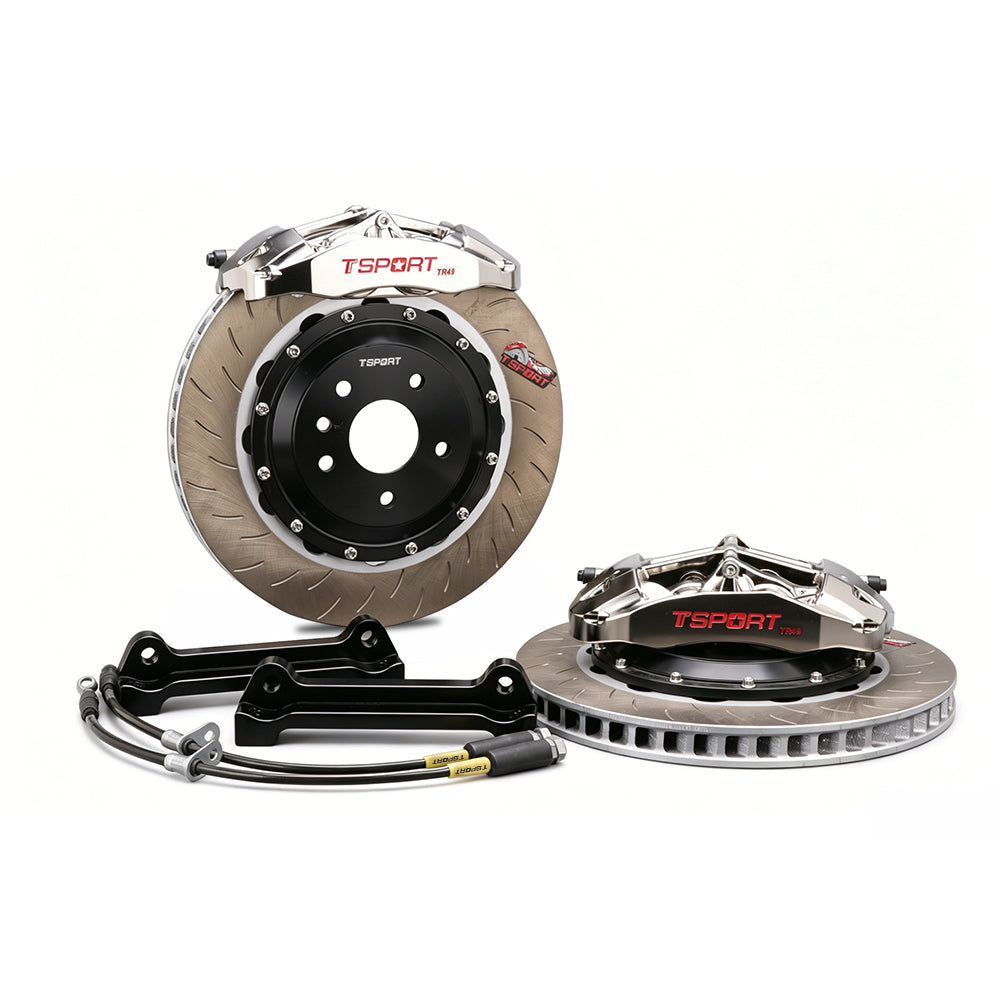
Circuit Racing TR49는 서스펜션 작업, 타임 어택, 내구성 주행을 위해 설계된 후륜 4피스톤 대형 브레이크 키트입니다. 모노블록 단조 캘리퍼, 이중 플로팅 로터, 레이싱 패드 화합물이 일관된 페달 감각과 열 반복성을 라운드마다 제공합니다.
후륜 브레이크 밸런스는 트레일 브레이킹과 코너 진입 시 차체의 안정성을 유지하는 핵심입니다. TR49는 28mm와 34mm의 스태거드 피스톤과 총 피스톤 면적 30.80cm²를 조합하여 전면보다 과도하지 않게 제어 가능한 후방 바이어스를 제공합니다. 355mm 또는 380mm 로터와 함께 사용하면, 슬릭 타이어, R-컴파운드, 또는 스트리트 타이어에 맞게 비율 조절이 가능합니다.
안정적인 트레일 브레이킹, 코너 진입 성능, 후륜 브레이크 밸런스를 지원하도록 설계되었으며, 전륜에 과도한 힘을 가하지 않습니다.
모노블록 단조 알루미늄 캘리퍼, 한쪽당 2.40kg, 강성 및 반복 가능한 페달 반응을 위해 제작됨.
28mm × 2 및 34mm × 2 피스톤 배치로 균일한 패드 마모와 점진적 비트 지원
더스트 부츠가 없는 레이싱 피스톤은 고온 환경에 적합하며, 빠른 레이스 주말 점검을 위해 설계됨.
Ø355 또는 Ø380mm × 32mm 이중 내부 통풍 로터, 방향성 베인
교체 가능한 철제 링, 상단 액세스 패드 교체, 오픈백 피스톤, 접근 가능한 배리더를 통해 실제 피트 작업 흐름 지원
| 브레이크 캘리퍼 | ||
|---|---|---|
| 시리즈 | 레이싱 시리즈 — 서킷 | |
| 모델 / 적용 대상 | TR49 | |
| 액슬 위치 | 후면 | |
| 피스톤 수 | 4피스톤 | |
| 피스톤 유형 | 먼지 부츠 없는 레이싱 피스톤 | |
| 피스톤 직경 | 28mm × 2 / 34mm × 2 | |
| 캘리퍼 치수 | 258.8 mm × 157.7 mm × 75.2 mm | |
| 총 피스톤 면적 | 캘리퍼당 30.80cm² | |
| 제조 공정 | 모노블록 포지드 알루미늄 바디 | |
| 순중량 | 캘리퍼당 2.40kg, 패드 미포함 | |
| 표면 마감 | 니켈 도금 | |
| 커스텀 컬러 | 이 캘리퍼에서는 제공되지 않음 | |
| 권장 휠 크기 | 18인치 이상 또는 더 큰 크기 | |
| 권장 로터 크기 | Ø355–380 mm × 32 mm | |
| 브레이크 로터 옵션 | ||
| 로터 옵션 | 표준 | 옵션 B 레이싱 |
| 디스크 재질 | 열처리된 고탄소 주철 | 레이싱 등급 열처리된 고탄소 주철 |
| 액슬 위치 | 후면 | 후면 |
| 로터 치수 | Ø355 / 380mm × 32mm | Ø355 / 380mm × 32mm |
| 구성 | 이중 로터 조립 | 이중 로터 조립 |
| 환기 | 내부 환기형 | 내부 환기형 |
| 로터 햇 | 적용 맞춤형 합금 로터 햇 | 적용 맞춤형 합금 로터 햇 |
| 로터 장착 방식 | 고정 또는 플로팅, 크기 및 용도에 따라 선택 | 고정 또는 플로팅, 크기 및 용도에 따라 선택 |
| 방향성 설계 | 예 — 좌우 구분 | 예 — 좌우 구분 |
| 로터 표면 패턴 | 곡선 슬롯 / 그레인 슬롯 / 웨이브 슬롯 / 드릴링 및 슬롯 | 웨이브 슬롯 |
| 브레이크 패드 옵션 | ||
| 패드 옵션 | 표준 | 옵션 B 레이싱 |
| 호환 로터 재질 | 철 / 강재 로터만 해당 | 철 / 강재 로터만 해당 |
| 작동 온도 범위 | 0–600 °C | 0–750 °C |
| 평균 마찰 계수 | μ ≈ 0.38, 온도, 압력, 로터에 따라 변동 | μ ≈ 0.45, 온도, 압력, 로터에 따라 변동 |
| 최적 용도 | HPDE, 오토크로스, 공격적인 도심 주행 | 열 흡수 한계가 중요한 지속적인 서킷 및 내구성 세션 |
| 라인, 브래킷 및 정비 | ||
| 브레이크 라인 구조 | 3중 강화 | |
| 브레이크 라인 재질 | PTFE 내부 라이너 / SUS304 스테인리스 브레이드 / PVC 외피 | |
| 캘리퍼 장착 유형 | 차량별 캘리퍼 브래킷이 적용된 방사형 장착 | |
| 캘리퍼 브래킷 | 차량별 캘리퍼 브라켓 | |
| 브레이크 라인 피팅 유형 | 차량별; 캘리퍼 측 및 섀시 측 피팅은 적용에 따라 다름 | |
| 베딩 인 절차 | 트랙 사용 전 필수 | |
후륜 패드 선택은 일반적으로 전륜보다 반 단계 더 부드럽거나 낮은 온도로 선택하여 브레이크 시 안정적인 회전을 유지해야 합니다. 옵션 B 후륜 패드는 유사하거나 더 높은 온도 범위의 전륜 패드와 매치하세요.
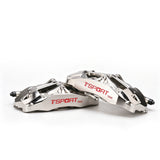
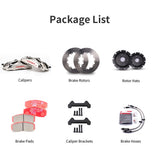
니켈 도금 마감된 TR49 후륜 모노블록 단조 4피스톤 캘리퍼 2개
후륜 캘리퍼용 브레이크 패드, 0–600°C 표준 복합재 또는 0–750°C 옵션 B 레이싱 복합재 선택 가능
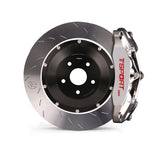
Ø355 또는 Ø380 mm × 32 mm 이중 내부 통풍 후륜, 좌우별로 설계됨
차량별 후륜 캘리퍼 정렬을 위한 방사형 캘리퍼 브래킷
적용별 합금 로터 햇이 후륜 허브 위치와 로터 오프셋에 맞게 제작됨
3중 구조 스테인리스 스틸 브레이드 후륜 브레이크 라인, PTFE 내부 라이너, SUS304 브레이드, PVC 외피
모든 TR49 후륜 서킷 레이싱 시스템은 차량의 후륜 너클, 허브 위치, 로터 햇 오프셋, 휠 배럴, 스포크 간격, 브레이크 라인 배선, 파킹 브레이크 제공 여부, 전후 브레이크 밸런스 목표를 고려하여 설계됩니다. 이는 범용이 아닌, 차체 구조에 맞는 후륜 브레이크 패키지로, 트레일 브레이킹, 코너 진입, 긴 세션 동안 반복 가능한 페달 성능을 제공합니다.
차체, 후륜 서스펜션 및 너클 세팅, 경쟁용 사용, 목표 후륜 브레이크 성능, 전면 브레이크 조합, 휠 패키지, 타이어 복합재, ABS / 프로포셔닝 전략, 파킹 브레이크 요구 사항, OEM 또는 커스텀 후륜 업리프트 사용 여부를 검토합니다.
OEM 너클의 경우 차량 정보, 휠 사양, 휠 오프셋, 스포크 간격 데이터를 제공하십시오. 커스텀 너클, 모터스포츠 허브 변환 또는 비-OE 로터 오프셋의 경우 CAD 파일, 도면, 허브 면 데이터, 로터 장착 치수 또는 정확한 브래킷 장착 지점을 제공하십시오.
TTSPORT는 제출된 데이터를 검토하여 캘리퍼 간극, 차량별 캘리퍼 브래킷 기하학, 로터 햇 오프셋, 파킹 브레이크 접근법, 브레이크 라인 배선 등을 확인하며, 생산 전에 최종 승인합니다.
휠, 후크넥, 로터 오프셋, 주차 브레이크 배치 또는 브레이크 라인 라우팅이 적합한지 확실하지 않은 경우, 문의하기 주문 전에 엔지니어링 팀이 빌드 세부 사항을 검토할 수 있도록 하십시오.
이 키트는 18인치 이상의 휠이 필요합니다. 클리어런스는 휠 오프셋과 스포크 프로파일에도 의존합니다. 주문 시 휠 사양을 보내주시면, 배송 전에 확인해 드리겠습니다.
네. 후륜만 업그레이드하면 제동력의 편향이 뒤로 이동하여 불안정을 초래할 수 있습니다. TR49를 차량에 맞는 크기의 프론트 키트와 함께 사용하여 제동 균형을 유지하세요.
Ø355mm는 더 가볍고 휠에 더 적합한 옵션이며 대부분의 후륜 세트에 적합합니다. Ø380mm는 열 용량이 더 높아 내구성과 무거운 차량에 적합하며, 후륜이 더 많은 작업을 수행하는 경우에 적합합니다.
네. 적절한 베딩 절차를 거쳐야 패드 재질이 로터 표면에 균일하게 전달됩니다. 이를 생략하면 진동, 불균일한 침착, 패드 수명 단축이 발생할 수 있습니다.
TR49는 니켈 도금 마감으로 배송됩니다. 맞춤 색상 또는 양극화는 이 캘리퍼에 제공되지 않습니다.
TR49는 서비스 브레이크용 캘리퍼입니다. 파킹 브레이크가 통합된 차량은 일반적으로 OEM 이브브레이크 시스템(드럼 인 햇 로터 또는 별도 이브브레이크 캘리퍼)을 유지하며, 적용 차량에 따라 다릅니다. 구체적인 차량에 대해 저희 팀에 확인하세요.
차량 및 휠 세부 정보를 보내주시면, 적합한 로터 크기, 패드 화합물, 로터 햇 오프셋, 브래킷 패키지를 추천해 드립니다.
Brake Kits · Fitment · Installation · Care Guide
A brake kit is not just a pair of larger calipers. Calipers, rotors, pads, hoses, brackets, rotor hats, mounting hardware, brake fluid, wheel clearance, and bedding procedure all work together as one system.
This guide explains how to confirm the right TTSPORT brake kit before ordering, what to check before installation, and how to care for the system after installation.
Do not order a brake kit by vehicle name alone. The correct kit depends on the vehicle, axle position, wheel package, driving use, and brake system layout.
Brake kits are application-specific. A visually similar kit can still have the wrong rotor offset, bracket geometry, hose fitting, caliper position, or wheel clearance requirement.
Different TTSPORT brake kit series use different hardware layouts. Always confirm what the kit includes before purchase.
Use direct-mount calipers and one-piece rotors where specified. These kits do not use rotor hats or caliper brackets unless the final product page clearly states otherwise.
Use separate friction rings and rotor hats. Hat offset, ring bolt pattern, hardware style, and rotor direction must be matched correctly.
May require bespoke brackets, rotor hats, brake lines, and engineering confirmation based on knuckle, hub, wheel, and competition use.
Require extra attention to wheel clearance, tire size, vehicle load, descent control, hose routing, and dust / water exposure.
Do not assume every brake kit includes the same parts. Package contents vary by product series, vehicle application, and final order configuration.
Before finalizing the order, review the kit specification carefully. Confirm the brake kit is matched to your vehicle and wheel setup, not only to the model name.
If any part is not listed in the final order or product page, do not assume it is included.
Inspect every component before installation. Do not modify, grind, drill, stretch, force, or space brake kit components to make them fit.
Safety: Brake kits affect braking force, hydraulic sealing, heat control, wheel clearance, and vehicle stability. Do not install the kit if fitment, torque, direction, clearance, or compatibility is unclear.
Correct installation is as important as the brake kit itself. A properly engineered kit can still perform poorly if installed with dirty mounting faces, incorrect torque, poor hose routing, or trapped air in the hydraulic system.
Verify caliper centering over the rotor and confirm even pad sweep across the friction surface.
Confirm left / right rotor direction if the rotor uses directional vanes or directional face pattern.
Check brake hose length and routing at full steering lock and full suspension travel. No twisting, rubbing, stretching, or kinking.
Check caliper-to-spoke and caliper-to-barrel clearance before road use. Wheel diameter alone is not enough.
Use the correct brake fluid type and bleed the system until pedal feel is firm and consistent.
Torque all brake hardware to the specified value. Do not reuse damaged, unknown, stretched, or corroded safety-critical fasteners.
Brake pads and rotors need a controlled bedding process before full performance is available. Bedding helps create an even transfer layer on the rotor surface, improving bite, pedal consistency, and vibration resistance.
Street pads, race pads, iron rotors, two-piece rotors, and carbon ceramic rotors may require different bedding procedures. Use the procedure supplied with the specific kit.
After installation and bedding, give the system a short break-in period before aggressive use. Pedal feel, pad contact, dust output, and noise may continue to settle after the first drives.
Brake kits need regular inspection, especially after track use, off-road use, towing, mountain driving, winter salt exposure, or any brake service.
Inspect pads, rotors, fluid level, and hose condition during normal service intervals. Prioritize quiet operation, smooth pedal feel, and even wear.
Check pad thickness, rotor surface condition, and fluid condition more often. Long descents create sustained heat even without track use.
Inspect for mud, sand, stone impact, hose abrasion, dust boot damage, and caliper contamination after trail use.
Inspect pads, rotors, fluid, and hardware before and after every event. Track heat shortens service intervals.
Check rear brake temperature, hydraulic handbrake behavior, pad wear, rotor cracking, and hardware condition frequently.
Use only compatible pads and approved bedding procedures. Inspect rotor surface condition carefully and avoid incompatible friction materials.
Do not continue driving if the brake system shows any of the following symptoms. Inspect the system or contact a qualified brake technician before using the vehicle again.
Send your vehicle details, brake kit series, wheel specs, driving use, photos, and any symptoms you notice. TTSPORT will help confirm fitment, installation checks, and the correct care path for your brake kit.
구독해 주셔서 감사합니다!
이 이메일은 등록되었습니다!